The global demand for fasteners exists because modern development depends on modular construction and assembled systems rather than single-piece structures. As industries evolve toward precision engineering and scalable manufacturing, fasteners enable flexibility, maintenance, and replacement without dismantling entire systems. Their use supports efficiency, safety, and long-term durability across sectors.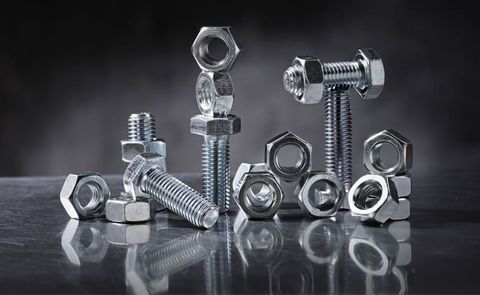
Why Global Fastener Demand Matters Today
The importance of fasteners has increased significantly as infrastructure projects expand and technology-driven manufacturing becomes more complex. Growing urban populations require housing, transportation networks, utilities, and public facilities. Each of these relies heavily on reliable fastening solutions.
Fastener demand affects multiple groups:
- Construction planners and civil engineers
- Manufacturing and industrial production units
- Automotive, aerospace, and rail industries
- Renewable energy and power infrastructure developers
- Electronics and precision equipment manufacturers
Fasteners help solve practical challenges such as:
- Structural stability under load and vibration
- Safe assembly of complex, multi-material systems
- Efficient maintenance and part replacement
- Standardization across large-scale projects
- Long-term resistance to stress, corrosion, and temperature change
As construction methods shift toward prefabrication and modular design, fasteners allow components to be assembled quickly on-site while maintaining structural integrity.
Role of Construction in Fastener Demand Growth
Construction remains one of the strongest drivers of fastener usage worldwide. Residential buildings, commercial complexes, industrial facilities, roads, bridges, rail corridors, and airports all require high volumes of fastening components.
Key construction-related factors influencing demand include:
- Urban infrastructure expansion in developing regions
- Smart city development programs
- Use of steel frameworks and reinforced concrete
- Growth of prefabricated and modular building techniques
- Emphasis on seismic safety and load-bearing standards
Each stage of construction uses different fastener types, such as structural bolts for steel frames, anchors for foundations, and corrosion-resistant fasteners for outdoor exposure.
Influence of Technology and Advanced Manufacturing
Technology has transformed how fasteners are designed, produced, and applied. Modern manufacturing emphasizes precision, automation, and performance under demanding conditions.
Technological factors driving fastener demand include:
- Lightweight materials in automotive and aerospace manufacturing
- Increased use of automation and robotics
- High-precision assembly in electronics and medical equipment
- Growth of renewable energy systems such as wind turbines and solar structures
- Advanced surface coatings for durability and resistance
Fasteners today are engineered for specific applications, including vibration resistance, high tensile strength, and compatibility with composite materials. This specialization increases usage volume while also expanding product variety.
Table: Major Industries Driving Fastener Demand
| Industry Sector | Primary Fastener Use | Demand Characteristics |
|---|---|---|
| Construction | Structural joining, anchoring | High volume, heavy-duty |
| Automotive | Engine, chassis, interiors | Precision and durability |
| Aerospace | Airframes, components | Lightweight, high strength |
| Renewable Energy | Turbines, mounting systems | Weather and fatigue resistance |
| Electronics | Device assembly | Miniature, high-precision |
Recent Updates and Market Trends
Over the past year, several developments have influenced the global fastener landscape. In 2024 and early 2025, construction activity increased in multiple regions due to public infrastructure spending and urban housing initiatives. This directly increased demand for structural and anchoring fasteners.
Key trends observed include:
- Increased use of high-strength and specialty fasteners
- Greater focus on corrosion-resistant materials
- Expansion of fastener demand from renewable energy installations
- Rising adoption of automated fastening systems in manufacturing
- Growth in standardization for international construction projects
Technological innovation has also led to improved quality testing, digital design integration, and performance monitoring during assembly. These advancements support consistent fastener use across complex projects.
Table: Construction vs Technology-Driven Demand Factors
| Growth Driver | Impact on Fastener Usage |
|---|---|
| Urban construction | High-volume structural fasteners |
| Modular building | Standardized connection systems |
| Automation | Precision fasteners for machinery |
| Electric vehicles | Lightweight fastening solutions |
| Renewable energy | Weather-resistant fasteners |
Laws, Regulations, and Policy Influence
Fastener demand is influenced by safety regulations, construction codes, and manufacturing standards. Governments and regulatory bodies establish guidelines to ensure structural safety, material quality, and performance consistency.
Common regulatory influences include:
- Building codes specifying load-bearing requirements
- Infrastructure safety regulations for bridges and public structures
- Manufacturing quality standards for mechanical components
- Environmental regulations encouraging durable, long-life materials
- National and international standardization systems
In many countries, infrastructure development programs and public works initiatives indirectly support fastener demand by increasing construction activity. Compliance with standards ensures that fasteners meet performance and safety expectations.
Tools and Resources Supporting Fastener Knowledge
Several tools and resources help engineers, planners, and manufacturers understand fastener selection and application.
Useful resources include:
- Engineering handbooks covering fastener specifications
- Digital fastener selection guides based on material and load
- CAD libraries with standardized fastener models
- Torque calculation references for accurate installation
- Construction design manuals and structural guidelines
- Quality inspection checklists for fastening systems
These tools support accurate design decisions and help ensure safe, reliable assembly across projects.
Key Facts and Practical Insights
Understanding fastener demand requires awareness of how materials, environment, and design interact.
Important insights include:
- Fasteners must match the material properties of joined components
- Environmental exposure significantly affects fastener selection
- High-load structures require precise torque and tension control
- Standardization improves efficiency across large projects
- Long-term durability reduces maintenance requirements
As projects grow in scale and complexity, proper fastener knowledge becomes increasingly important for performance and safety.
FAQs
What are fasteners used for in construction?
Fasteners join structural components, secure materials, and provide load transfer within buildings, bridges, and infrastructure projects.
Why is fastener demand increasing globally?
Demand grows due to expanding construction activity, advanced manufacturing, infrastructure development, and technological innovation.
How does technology influence fastener design?
Technology enables precision engineering, specialized coatings, lightweight materials, and performance optimization for specific applications.
Are fasteners standardized worldwide?
Many fasteners follow international standards, but regional building codes and industry requirements can influence specifications.
Which industries use the most fasteners?
Construction, automotive manufacturing, industrial machinery, renewable energy, and electronics are among the largest users.
Conclusion
Global demand for fasteners continues to grow as construction activity expands and technology reshapes manufacturing practices. These small but essential components support structural stability, functional reliability, and efficient assembly across countless applications. From urban infrastructure to advanced machinery, fasteners enable progress by connecting materials, systems, and ideas into working forms.
As construction methods evolve and technological complexity increases, fasteners will remain fundamental to development. Understanding their role helps explain how modern cities are built, how machines operate, and how global infrastructure continues to advance in a safe and structured manner