The fiberglass industry exists because it provides materials with a unique combination of strength, flexibility, and resistance to corrosion and heat qualities that traditional materials like steel or plastic cannot fully match. Fiberglass is widely used in construction, marine, aerospace, wind energy, and automotive sectors. Its versatility and environmental durability have made it an essential part of modern infrastructure and manufacturing systems.
Why Fiberglass Manufacturing Matters Today
Fiberglass manufacturing is vital for both industrial and consumer applications. It has become increasingly relevant due to its role in supporting sustainability and energy efficiency goals.
Key Reasons
- Energy Efficiency: Fiberglass insulation reduces energy consumption in homes and industrial buildings
- Durability: High resistance to rust, chemicals, and extreme temperatures
- Lightweight Advantage: Reduces transportation weight, lowering fuel usage
- Renewable Energy Support: Essential for wind turbine blades and solar components
Industries such as construction, automotive, and renewable energy rely heavily on fiberglass materials for innovation and performance improvements. Fiberglass insulation also contributes to green building certifications like LEED, helping meet environmental standards.
Challenges in the Industry
- Energy-intensive production processes
- Waste management and recycling limitations
- Need for sustainable raw material sourcing
Recent Updates and Industry Trends (2024–2025)
The fiberglass industry has seen rapid changes driven by sustainability and advanced manufacturing technologies.
Key Developments
- Eco-Friendly Resins: Increased use of bio-based and recycled resins
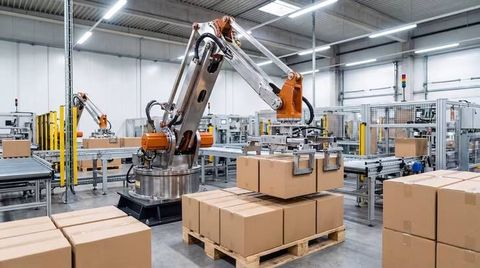
- Automation and AI: Improved efficiency through automated fiber production and quality control
- Wind Energy Demand: Over 15% increase in fiberglass usage for turbine manufacturing
- Lightweight Composites: Growing adoption in automotive for fuel efficiency
- IoT Monitoring: Real-time process tracking in large-scale plants
Table: Global Market Overview
| Region | Major Applications | 2025 Growth Trend |
|---|---|---|
| North America | Construction, Automotive | Expansion in insulation materials |
| Europe | Renewable Energy | Growth in wind and solar sectors |
| Asia-Pacific | Industrial Manufacturing | Strong demand from construction |
| Middle East & Africa | Infrastructure Projects | Increased use in energy systems |
Regulatory and Policy Landscape
Fiberglass manufacturing is influenced by environmental, safety, and trade regulations worldwide.
Key Policies
- Environmental Standards: Guidelines from agencies like EPA and ECHA to control emissions
- Energy Efficiency Programs: Promote fiberglass insulation in buildings
- Occupational Safety: OSHA standards for safe handling of fibers
- Recycling Regulations: Encourage reuse and circular economy practices
- Trade Policies: Affect raw material supply and global distribution
These regulations ensure safe production while promoting sustainability and worker protection.
Tools and Resources for Fiberglass Manufacturing
Professionals and learners can access various tools to understand and optimize fiberglass production.
Table: Tools and Platforms
| Tool / Platform | Purpose |
|---|---|
| MatWeb | Material property database |
| CompositesWorld | Industry news and research |
| Glass Fiber Design Calculator | Strength and load calculations |
| NIOSH Safety Resources | Health and safety guidelines |
| Engineering ToolBox | Technical data and conversion charts |
Educational Resources
- Coursera & edX: Courses on materials science
- ASTM Standards Database: Technical specifications
- Industry reports (MarketsandMarkets, Grand View Research) for market insights
Frequently Asked Questions
What is fiberglass made of?
It is made from silica sand, limestone, soda ash, and other minerals melted and formed into fine glass fibers.
How is fiberglass different from carbon fiber?
Fiberglass is more affordable and flexible, while carbon fiber is stronger and lighter but more expensive.
Is fiberglass environmentally friendly?
It can be sustainable when produced using recycled materials and energy-efficient processes.
What industries use fiberglass most?
Construction, automotive, aerospace, renewable energy, and consumer goods industries.
Can fiberglass be recycled?
Recycling is challenging but possible through grinding or repurposing into composite fillers.
Conclusion
Fiberglass manufacturing remains a cornerstone of modern industry, supporting infrastructure, sustainability, and energy efficiency. Its lightweight and durable properties make it ideal for applications across multiple sectors.
With advancements in automation, eco-friendly materials, and recycling technologies, the industry is evolving toward smarter and greener production systems. Understanding its trends, tools, and regulations helps professionals stay aligned with global industrial and environmental goals.