The field exists to meet the global need for controlled motion, torque, and rotational power. As electrification expanded during the industrial age, electric motors became a reliable alternative to steam and fuel-driven machines. Over time, advances in materials, electrical engineering, and digital control systems refined motor efficiency, size, and durability.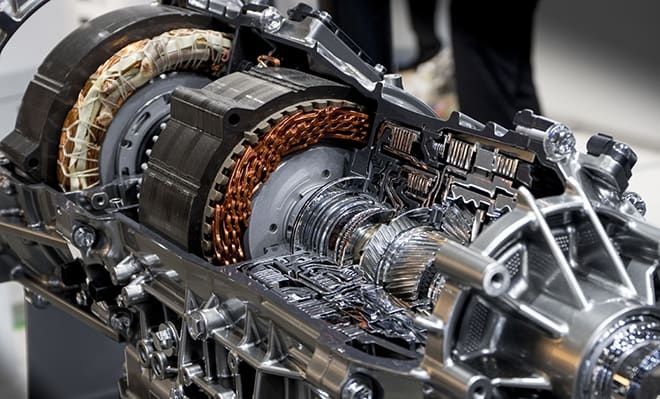
Today, electric motor manufacturing represents a convergence of mechanical engineering, electrical design, materials science, and quality control. The industry continues to evolve as demand grows for efficient, reliable, and environmentally responsible motion solutions.
Why Electric Motor Manufacturing Matters Today
Electric motors are among the most widely used machines in the world. A significant portion of global electricity consumption is attributed to motor-driven systems. Because of this scale, improvements in motor design and manufacturing have far-reaching technical, economic, and environmental implications.
Key reasons this topic matters include:
-
Electric motors power essential infrastructure such as water pumps, HVAC systems, elevators, and conveyors
-
Manufacturing industries rely on motors for automation, robotics, and precision equipment
-
Transportation electrification depends on high-performance motors for rail systems and electric mobility
-
Renewable energy systems use motors and generators for energy conversion and control
-
Energy efficiency improvements in motors contribute to lower overall electricity demand
Electric motor manufacturing affects engineers, industrial planners, energy analysts, policymakers, equipment designers, and maintenance professionals. It addresses challenges such as energy efficiency, system reliability, operational consistency, and long-term sustainability.
Core Manufacturing Process and Working Principles
Electric motor manufacturing follows a structured sequence of design validation, component fabrication, assembly, and performance testing. Each stage contributes to the final efficiency and lifespan of the motor.
Key stages involved in manufacturing
-
Design and specification definition based on torque, speed, voltage, and application needs
-
Stator production, including lamination stacking and winding insertion
-
Rotor fabrication, involving shaft assembly, rotor core balancing, and conductor placement
-
Insulation and impregnation to protect windings from heat and electrical stress
-
Housing and bearing assembly to ensure mechanical stability
-
Electrical and mechanical testing for performance validation
Electric motors operate using electromagnetic interaction between the stator and rotor. When electrical current flows through windings, it creates a magnetic field that induces motion. Manufacturing precision directly influences efficiency, vibration levels, thermal behavior, and operational reliability.
Table: Common Electric Motor Types and Applications
| Motor Type | Typical Characteristics | Common Application Areas |
|---|---|---|
| AC Induction Motor | Robust, simple design | Industrial machinery, pumps |
| DC Motor | Speed control flexibility | Automation, control systems |
| Synchronous Motor | Constant speed operation | Power plants, compressors |
| Brushless DC Motor | High efficiency, low maintenance | Electronics, precision tools |
| Stepper Motor | Precise position control | Robotics, instrumentation |
Recent Updates and Industry Trends
Electric motor manufacturing has seen notable advancements over the past year due to energy-transition goals and industrial digitalization.
Recent developments include:
-
2024–2025 efficiency standards tightening in several regions to reduce power consumption
-
Increased adoption of high-efficiency motor classes using improved magnetic materials
-
Growth in electric mobility production, increasing demand for traction motors
-
Integration of digital simulation tools for motor design optimization
-
Expanded use of automation and robotics in winding and assembly processes
-
Development of rare-earth material optimization to reduce dependency and improve supply stability
Manufacturers are also focusing on lifecycle analysis, aiming to improve recyclability and reduce environmental impact throughout production and disposal stages.
Laws, Policies, and Regulatory Influence
Electric motor manufacturing is shaped by national and international regulations focused on safety, efficiency, and environmental responsibility. While policies vary by country, common regulatory influences include:
-
Minimum energy performance standards (MEPS) for electric motors
-
Electrical safety and insulation compliance requirements
-
Environmental regulations related to material usage and waste handling
-
Energy-labeling programs for industrial and commercial motors
-
Incentive frameworks supporting energy-efficient equipment adoption
-
Standards for testing, efficiency classification, and performance reporting
These policies encourage manufacturers to adopt efficient designs, standardized testing procedures, and transparent documentation. Regulatory alignment also supports global trade compatibility and equipment interoperability.
Tools, Calculators, and Learning Resources
A wide range of technical tools and resources support electric motor manufacturing, research, and understanding.
Commonly used resources include:
-
Electric motor efficiency and load calculation tools
-
Torque, speed, and power conversion calculators
-
CAD and electromagnetic simulation software
-
International standards documentation for motor testing
-
Condition-monitoring reference guides for vibration and temperature
-
Technical handbooks covering winding design and insulation systems
-
Educational portals explaining motor fundamentals and applications
These tools help engineers, students, and analysts understand motor behavior, compare performance, and improve design accuracy.
Quality Control and Performance Testing Insights
Testing is a critical part of motor manufacturing. It ensures that each unit meets electrical, mechanical, and thermal expectations before deployment.
Key performance parameters monitored include:
-
Input and output power efficiency
-
No-load and full-load current behavior
-
Temperature rise under continuous operation
-
Vibration and acoustic noise levels
-
Insulation resistance and dielectric strength
Consistent testing supports long-term reliability and reduces the risk of early operational failure.
Table: Key Performance Metrics in Electric Motors
| Parameter | What It Indicates | Why It Matters |
|---|---|---|
| Efficiency (%) | Energy conversion effectiveness | Reduces energy waste |
| Torque | Rotational force | Determines load-handling ability |
| Speed (RPM) | Rotational rate | Affects application suitability |
| Temperature Rise | Thermal stability | Prevents insulation damage |
| Vibration Level | Mechanical balance | Improves lifespan |
FAQs
What is electric motor manufacturing?
It is the industrial process of designing, producing, assembling, and testing motors that convert electrical energy into mechanical motion.
Why are electric motors important for energy efficiency?
Because they consume a large share of global electricity, even small efficiency improvements can result in significant energy savings.
What materials are commonly used in motor manufacturing?
Key materials include copper or aluminum conductors, electrical steel laminations, insulation materials, bearings, and housing metals.
How are electric motors tested before use?
Motors undergo electrical, mechanical, thermal, and vibration testing to confirm performance and safety standards.
What industries rely most on electric motors?
Manufacturing, energy, transportation, construction, water management, automation, and consumer electronics all rely heavily on electric motors.
Conclusion
Electric motor manufacturing is a foundational component of modern industry and infrastructure. From basic household equipment to advanced industrial systems, electric motors enable controlled motion, energy efficiency, and operational reliability. The manufacturing process integrates engineering precision, material science, and rigorous testing to ensure consistent performance.
As global priorities shift toward electrification and efficiency, electric motor manufacturing continues to evolve. Advancements in design tools, materials, automation, and regulatory frameworks are shaping a more efficient and sustainable future for motor-driven systems.
Understanding the basics, importance, trends, and regulatory environment of electric motor manufacturing provides valuable insight into one of the most critical technologies supporting modern life.