The demand for cardboard boxes continues to grow due to the rising growth of e-commerce, exports, and consumer goods. Cardboard box machines exist to automate production, increase output efficiency, reduce manual workload, and deliver consistency in box quality.
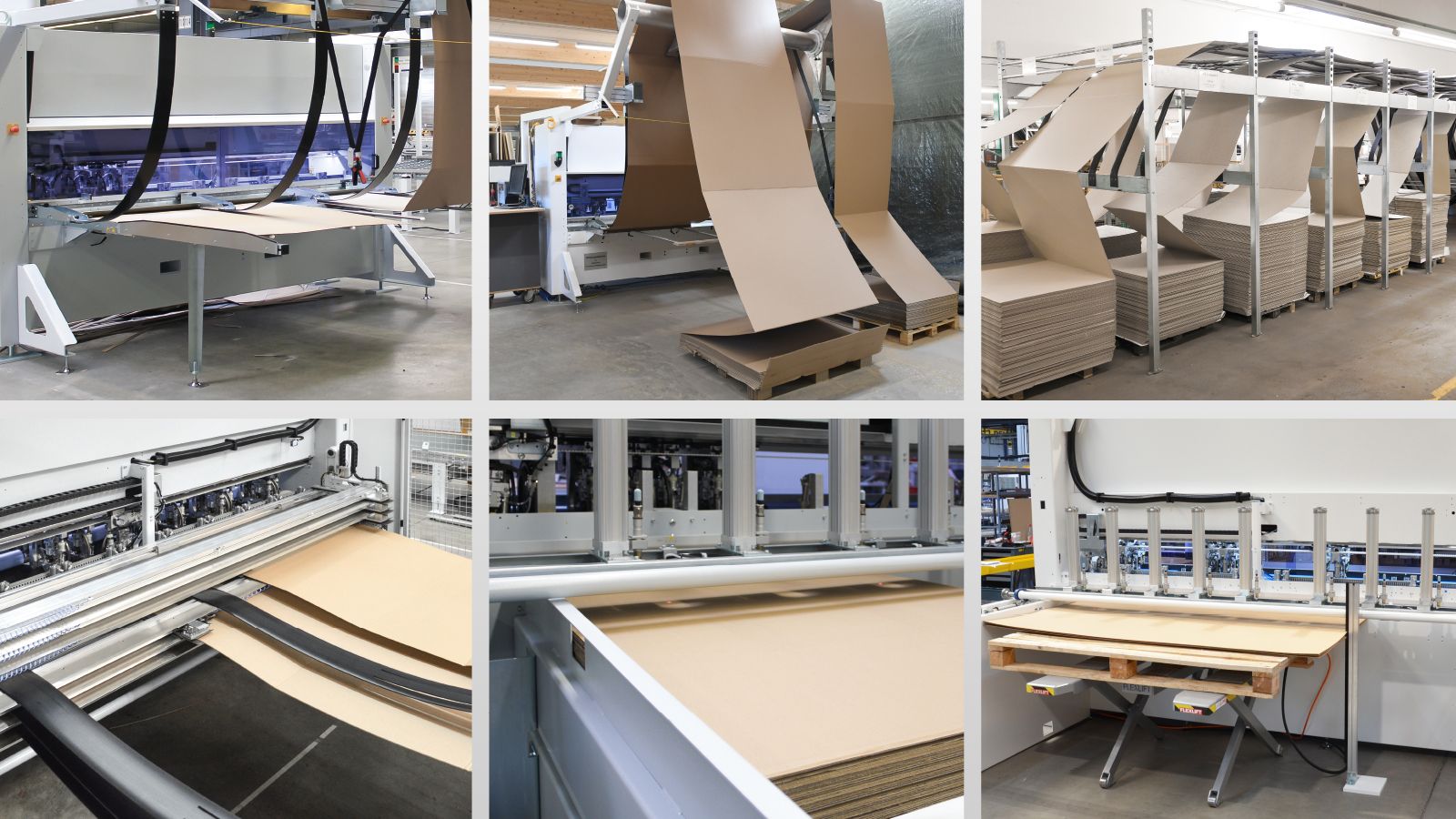
These machines vary widely—from simple cutting and creasing units to fully automated lines capable of printing, slotting, folding, and gluing in a single workflow. Choosing the right machine helps businesses meet production demands while maintaining cost efficiency and quality standards.
Importance – Why Choosing the Right Machine Matters Today
Selecting a high-performance cardboard box machine has become more important due to growing packaging needs and stricter quality expectations.
Supports Scale and Efficiency
A suitable machine can increase production capacity, reduce downtime, and minimize errors during processing. This is particularly useful for industries that ship large volumes of goods daily.
Improves Box Strength and Accuracy
Machines with precise cutting, folding, and gluing systems ensure each box meets structural and dimensional requirements. This reduces product damage during transportation.
Enhances Customization Capabilities
Modern packaging often requires custom-printed and custom-sized boxes. Machines with integrated printing, die-cutting, or digital controls offer better flexibility.
Reduces Long-Term Operating Cost
Energy-efficient machines and low-maintenance designs help lower operational expenses.
Who Benefits Most
-
Packaging manufacturers
-
E-commerce fulfillment centers
-
Logistics and warehousing companies
-
Export-based industries
-
Small to mid-size businesses expanding into custom packaging
Choosing the right machine ensures long-term productivity and consistent box quality.
Recent Updates – Trends and Developments (2024–2025)
Recent updates in the packaging machinery industry highlight trends that influence machine selection:
Adoption of Smart Control Systems (2024)
Manufacturers introduced digital control panels with touchscreen operation, automated size adjustments, and real-time error diagnostics.
Energy-Efficient and Eco-Friendly Designs
New models use optimized motors, better lubrication systems, and recyclable components to support environmental compliance.
Rapid-Change Tooling Systems
Machines now include quick-change blades and modules that reduce setup time, helping businesses handle multiple box sizes efficiently.
Integration of Digital Printing (2024–2025)
Digital printing modules allow on-demand graphics, branding, and barcodes without requiring separate printing machinery.
Focus on Noise and Safety Improvements
Manufacturers upgraded machine casings and safety guards to reduce operational noise and improve workplace safety.
These advancements help manufacturers improve precision, reduce waste, and streamline packaging workflows.
Laws or Policies – Regulations Affecting Cardboard Box Machines
Cardboard box machines are influenced by various safety, environmental, and manufacturing regulations. While these vary by country, some common policy areas include:
Industrial Safety Regulations
Authorities require machines to include:
-
Emergency stop mechanisms
-
Protective guards
-
Warning labels
-
Operator training guidelines
Standards such as CE (Europe), OSHA (USA), and BIS (India) apply to many machines.
Environmental Policies
Regulations encourage:
-
Use of recyclable materials
-
Reduced carbon emissions
-
Energy-efficient production methods
Some regions provide incentives for industries adopting green manufacturing practices.
Electrical and Mechanical Certification Requirements
Imported machinery must follow norms related to wiring safety, load capacity, and motor efficiency classifications.
Waste Management Policies
Packaging businesses must comply with waste disposal rules when handling scrap cardboard and printing materials.
Understanding these requirements ensures safe, legal, and environmentally responsible machine operation.
Tools and Resources – Helpful Solutions for Better Selection and Operation
Businesses can use various tools and resources to evaluate and manage cardboard box machines effectively.
Selection Tools and Calculators
-
Production capacity calculators
-
Cost-efficiency comparison tools
-
Box size and volume estimation templates
-
Power consumption calculators
Training and Learning Resources
-
Manufacturer training manuals
-
Online setup and operation tutorials
-
Safety and troubleshooting guides
Software Resources
-
Machine monitoring dashboards
-
Digital printing design software
-
Maintenance scheduling applications
Industry Websites and Directories
-
Packaging machinery suppliers
-
Industrial associations
-
Standardization councils
Support and Service Tools
-
Annual maintenance contracts
-
Remote diagnostics support
-
Spare parts inventory kits
Using these tools helps ensure proper machine operation and long-term value.
Factors to Consider When Choosing a High-Performance Cardboard Box Machine
Below is a practical overview of key considerations when evaluating machines:
Machine Speed and Output
Production speed, measured in boxes per minute, is a primary selection factor. Higher speed machines are suitable for large-scale operations.
Material Compatibility
Check if the machine supports various flute types such as:
-
E-Flute
-
B-Flute
-
C-Flute
-
Double-wall corrugated sheets
Accuracy and Precision
Machines with improved cutting accuracy and folding alignment help maintain consistent box dimensions.
Level of Automation
Options include semi-automatic and fully automatic systems. High automation reduces manual labor and increases uniformity.
Printing and Customization Features
Machines with inline printing or die-cutting capabilities support branding and special design requirements.
Energy Consumption
Energy-efficient designs help reduce monthly operational costs.
Maintenance Requirements
Easy access to components, standard spare part availability, and clear maintenance procedures are essential.
Machine Comparison Table
| Feature | Semi-Automatic Machine | Fully Automatic Machine |
|---|---|---|
| Output Speed | Moderate | High |
| Labor Requirement | Higher | Lower |
| Cost | Lower | Higher |
| Customization | Basic | Advanced |
| Best For | Small–Medium Businesses | Large-Scale Manufacturers |
FAQs
What types of boxes can a cardboard box machine produce?
Depending on the model, machines can create slotted boxes, die-cut boxes, folding cartons, and multi-depth shipping boxes.
How much maintenance does a cardboard box machine need?
Routine cleaning, lubrication, blade replacement, and alignment checks are usually required. Automated systems may need periodic software updates.
What factors influence machine speed?
Motor power, automation level, material thickness, and machine design impact overall output speed.
Are digital printing features necessary?
Not required for all users, but helpful for businesses that need branding, logos, barcodes, or variable data printing.
How do I estimate the right machine size for my business?
Use production calculators that consider daily output needs, box dimensions, and material type, or consult with technical specialists.
Final Thoughts
Selecting a high-performance cardboard box machine is a strategic decision that influences productivity, cost efficiency, and product quality. By understanding machine types, technological improvements, safety regulations, and operational needs, businesses can make informed decisions that support current and future packaging demands.
Whether you run a small unit or a large-scale facility, focusing on core performance factors—speed, automation, precision, and maintenance—helps ensure reliable, long-term production. With proper evaluation and the right tools, choosing an efficient machine becomes a practical and manageable process.