Traditionally, companies purchased conveyor systems for long-term use. While ownership can be suitable for stable, high-volume operations, it often involves high upfront costs, long installation times, and ongoing maintenance responsibilities. For short-term projects, seasonal demand, facility upgrades, or temporary layouts, owning a conveyor system may not be practical.
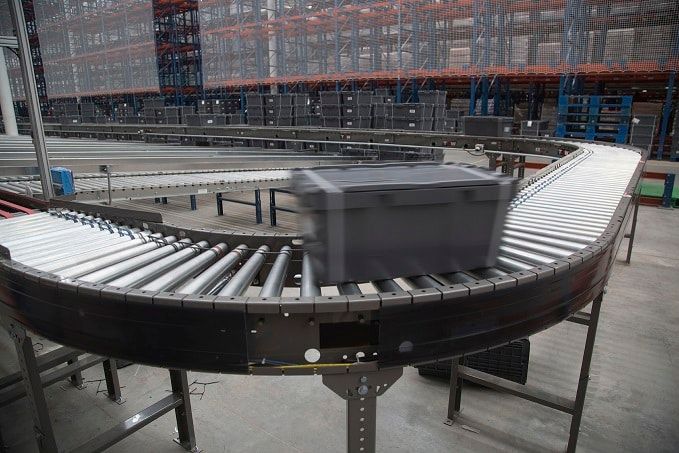
Industrial conveyor rental services were developed to address this gap. Renting allows businesses to access conveyors only when needed, in the required configuration and capacity, without committing to permanent ownership. Rental options include belt conveyors, roller conveyors, modular conveyors, telescopic conveyors, and portable systems designed for quick setup and removal.
Importance – Why Industrial Conveyor Rentals Matter Today
Industrial conveyor rentals play a key role in modern material handling by offering flexibility, cost control, and operational efficiency across many industries.
Reduces Capital Expenditure
Renting conveyors avoids large upfront investment. This is especially useful for small businesses, temporary projects, or companies testing new workflows.
Improves Operational Flexibility
Rental conveyors can be selected based on specific project needs such as length, load capacity, or layout. This adaptability supports changing operational requirements.
Supports Faster Project Execution
Portable and modular rental conveyors can be installed quickly, helping projects start on time without lengthy procurement or construction processes.
Reduces Maintenance Responsibility
Rental providers typically handle inspections, servicing, and repairs. This reduces downtime risk and internal maintenance costs.
Enhances Workplace Safety
Conveyors reduce the need for manual lifting and carrying, lowering the risk of worker injuries and improving ergonomics.
Benefits Multiple Sectors
Industrial conveyor rentals are widely used in:
-
Warehousing and logistics
-
Manufacturing and assembly lines
-
Construction and demolition projects
-
Mining and bulk material handling
-
Food and packaging operations
By addressing cost, flexibility, and safety concerns, conveyor rentals help organizations manage material flow more effectively.
Recent Updates – Trends and Developments in 2024–2025
The industrial conveyor rental market has continued to evolve over the past year, influenced by automation trends, supply chain demands, and sustainability goals.
Increased Demand for Portable Conveyor Systems (2024)
Short-term construction and warehouse projects drove higher demand for lightweight, mobile conveyors that can be repositioned easily.
Integration of Smart Monitoring Features
Some rental conveyors introduced sensors and basic monitoring tools in 2024 to track belt speed, load levels, and operating hours.
Growth in Warehouse and E-commerce Use
Rising e-commerce activity increased the use of rented conveyors for sorting, loading, and unloading during peak seasons.
Energy-Efficient Conveyor Designs
Newer rental fleets increasingly include conveyors with efficient motors and low-friction components to reduce energy consumption.
Modular Conveyor Configurations
Rental providers expanded modular conveyor offerings that can be extended or reconfigured based on space and workflow needs.
Faster Rental Booking and Support Systems
Digital platforms introduced in 2024 allow users to request, schedule, and manage conveyor rentals more efficiently.
These developments show a growing focus on flexibility, efficiency, and short-term operational support.
Laws or Policies – Regulations Affecting Industrial Conveyor Rentals
Industrial conveyor rentals are governed by safety, equipment, and workplace regulations to ensure safe operation and responsible use.
Workplace Safety Regulations
Operators must comply with occupational safety rules related to:
-
Machine guarding
-
Emergency stop mechanisms
-
Safe loading limits
-
Operator training
These rules help prevent accidents and equipment misuse.
Equipment Standards and Certification
Conveyors must meet mechanical and electrical safety standards, including:
-
Structural stability
-
Electrical insulation
-
Load-bearing capacity
Certified equipment ensures suitability for industrial environments.
Material Handling and Ergonomic Guidelines
Regulations often encourage the use of conveyors to reduce manual handling risks, supporting safer workplaces.
Industry-Specific Compliance
Certain industries, such as food processing or pharmaceuticals, require conveyors to meet hygiene and cleanliness standards.
Environmental and Noise Regulations
Some regions regulate noise levels and energy usage for industrial equipment, influencing conveyor design and operation.
These policies ensure that rented conveyors support safe, compliant, and efficient material handling.
Tools and Resources – Helpful Support for Conveyor Rental Planning
Several tools and resources can help businesses plan and manage industrial conveyor rentals effectively.
Useful Tools and Resources
| Tool / Resource | Purpose / Benefit |
|---|---|
| Material Flow Calculators | Estimate conveyor capacity and throughput needs. |
| Layout Planning Software | Visualize conveyor placement and workflow. |
| Rental Cost Comparison Tools | Compare rental versus ownership costs. |
| Maintenance and Inspection Checklists | Ensure conveyors are safe before operation. |
| Project Scheduling Apps | Align conveyor usage with project timelines. |
| Operator Training Resources | Improve safe and efficient conveyor use. |
| Load Capacity Charts | Match materials with appropriate conveyor types. |
| Downtime Tracking Tools | Monitor performance and identify inefficiencies. |
These resources help improve planning accuracy, safety, and operational efficiency.
FAQs – Clear and Factual Answers
What is an industrial conveyor rental?
It is a temporary arrangement that allows businesses to use conveyor systems for material handling without purchasing them.
When is renting a conveyor more suitable than buying?
Renting is ideal for short-term projects, seasonal demand, facility changes, or when flexibility is required.
What types of conveyors are commonly rented?
Common options include belt conveyors, roller conveyors, portable conveyors, modular conveyors, and telescopic systems.
Are rented conveyors safe to use?
Yes. Reputable rental providers maintain and inspect equipment regularly to meet safety standards.
Do conveyor rentals include installation support?
Many rental services offer delivery, setup guidance, and technical support, depending on the agreement.
Final Thoughts
Industrial conveyor rentals provide a practical and flexible solution for improving material handling across a wide range of industries. By reducing capital investment, supporting rapid deployment, and minimizing maintenance responsibilities, rentals help organizations respond effectively to changing operational demands. Recent advancements in portability, energy efficiency, and digital support have further strengthened the value of rented conveyor systems. With proper planning, compliance with safety regulations, and use of appropriate tools, industrial conveyor rentals can significantly enhance efficiency, safety, and workflow reliability in modern operations.