RDP is widely used in construction, adhesives, and coatings because it improves flexibility, adhesion, and water resistance in cement- or gypsum-based materials. It serves as a key additive in products such as tile adhesives, mortars, renders, self-leveling compounds, and repair materials.
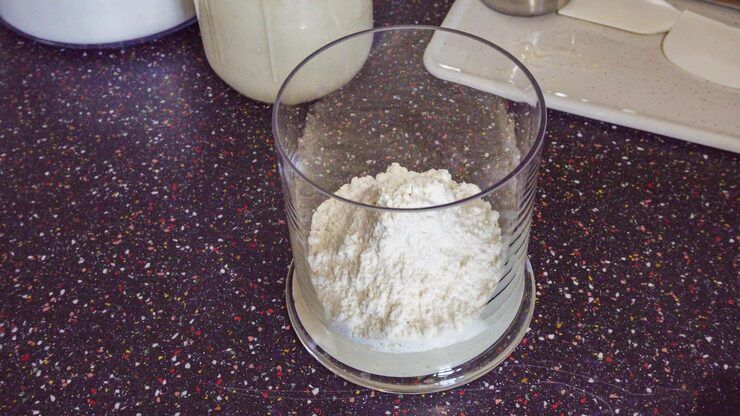
The concept behind redispersible powder emerged as industries sought more efficient ways to handle polymers without the complications of liquid transport and short shelf life. Its powder form makes storage, transport, and mixing easier while maintaining high performance in end-use applications.
Importance
Redispersible polymer powder plays a crucial role in modern construction materials and industrial coatings. Its ability to enhance the properties of traditional cement and gypsum materials has transformed how buildings are constructed and maintained.
Key benefits include:
-
Improved adhesion: Enhances bonding strength between different materials (e.g., cement to tiles or plaster to walls).
-
Flexibility and crack resistance: Helps prevent surface cracking in mortars and plasters.
-
Water repellence: Increases moisture resistance, vital for areas like bathrooms and kitchens.
-
Durability: Extends the lifespan of construction materials by enhancing mechanical properties.
-
Ease of handling: Simplifies formulation and mixing compared to liquid latex additives.
Industries benefiting from RDP include:
-
Construction and Infrastructure – For tile adhesives, wall plasters, and flooring systems.
-
Decorative Coatings – For paints and waterproof coatings.
-
Industrial Manufacturing – For ready-mix mortar products.
As construction moves toward sustainable and high-performance materials, redispersible polymer powders have become essential to meet durability and environmental goals.
Recent Updates
The redispersible polymer powder industry has undergone significant advancements in recent years, particularly in eco-friendly formulations and production efficiency.
| Recent Development | Details | Timeline |
|---|---|---|
| Bio-based RDP Formulations | Introduction of renewable raw materials in polymer synthesis to reduce carbon footprint. | 2024–2025 |
| VOC-Free and Low-Emission Grades | New RDPs comply with global VOC standards, improving indoor air quality. | 2024 |
| Advanced Spray-Drying Technology | Enhanced production methods for better powder dispersion and consistency. | 2023 |
| Increased Use in Ready-Mix Mortars | Growing adoption in pre-mixed construction products for convenience. | 2024 |
| Market Expansion | Rising demand in Asia-Pacific and the Middle East for infrastructure development. | 2025 |
The global RDP market is expected to grow steadily, driven by urbanization, sustainable construction initiatives, and increasing preference for dry-mix mortar systems.
Laws or Policies
Redispersible powder is regulated under various construction, chemical safety, and environmental laws depending on the country or region. These policies ensure safe handling, environmental protection, and product quality consistency.
Chemical Safety and Environmental Standards
-
REACH (EU): Requires chemical registration, evaluation, and safety documentation for all RDP ingredients.
-
EPA (U.S.): Enforces regulations on volatile organic compound (VOC) emissions and safe manufacturing.
-
GHS Labeling: Mandates standardized labeling for hazardous substances, including safety data sheets.
-
ISO 14001: Encourages eco-friendly production practices in RDP manufacturing facilities.
Construction Material Standards
-
EN 12004 (Europe): Defines requirements for tile adhesives containing polymer additives like RDP.
-
ASTM C1059 (U.S.): Governs latex modifiers for cementitious mixtures.
-
Indian Standards (IS 15477): Regulates polymer-modified mortars and tile adhesives used in construction.
Sustainability Policies
Governments are increasingly promoting green building certifications, such as LEED, BREEAM, and IGBC, which reward the use of low-VOC and sustainable additives like RDP.
Tools and Resources
Several resources assist professionals and manufacturers in selecting and using redispersible powders effectively.
Technical Tools and Calculators
| Tool Name | Function |
|---|---|
| RDP Dosage Calculator | Helps determine the right polymer ratio for cement or mortar applications. |
| Mortar Performance Analyzer | Simulates strength and adhesion outcomes based on RDP percentage. |
| Material Safety Data Platforms (e.g., ChemWatch) | Provides up-to-date compliance and safety documentation. |
| Construction Mix Design Software (e.g., Concrete Mix Pro) | Optimizes mixture formulations for industrial applications. |
Manufacturers and Knowledge Sources
-
Wacker Chemie AG – Global leader in polymer powder manufacturing.
-
BASF Construction Chemicals – Offers sustainable RDP solutions.
-
Celanese Corporation – Produces vinyl acetate-ethylene-based powders.
-
Asian Paints SmartCare Academy – Provides online training on polymer additives.
-
Polymerupdate.com – Tracks polymer price trends and news updates.
Learning Resources
-
ScienceDirect: Access peer-reviewed studies on polymer chemistry.
-
Construction World Magazine: Updates on sustainable material technologies.
-
YouTube Channels (e.g., CivilJungle, The Constructor): Tutorials on RDP use in construction mixes.
FAQs
1. What is redispersible polymer powder used for?
RDP is used to improve adhesion, flexibility, and strength in construction materials like mortars, plasters, and tile adhesives.
2. How does redispersible powder work?
When mixed with water, the powder redistributes into a polymer emulsion, bonding particles together and enhancing mechanical performance.
3. Is redispersible powder environmentally safe?
Most modern RDP formulations are low-VOC and eco-friendly, with many manufacturers offering recyclable or biodegradable options.
4. What is the difference between RDP and liquid latex additives?
RDP offers better shelf stability and ease of handling compared to liquid latex, while providing similar performance benefits once rehydrated.
5. Can redispersible powder be used in all climates?
Yes, but formulations may vary. High-humidity or hot environments may require specific RDP grades for optimal bonding and durability.
Table: Common RDP Types and Applications
| RDP Type | Base Polymer | Typical Application | Key Benefits |
|---|---|---|---|
| VAE (Vinyl Acetate-Ethylene) | Copolymer | Tile adhesives, renders | Flexibility, bonding strength |
| VA/VeoVa (Vinyl Acetate-Versatic Ester) | Copolymer | Self-leveling compounds | Water resistance, durability |
| Acrylic-based | Homopolymer | Paints, coatings | UV stability, adhesion |
| Styrene-Butadiene | Copolymer | Repair mortars | Impact strength, weather resistance |
Graph: Global RDP Market by Application (2025 Projection)
| Application | Market Share (%) |
|---|---|
| Tile Adhesives | 35% |
| Wall Renders & Plasters | 25% |
| Flooring Compounds | 15% |
| Repair Mortars | 10% |
| Others | 15% |
Final Thoughts
Redispersible polymer powder is a cornerstone of modern construction chemistry, offering versatility, sustainability, and enhanced performance across a range of applications. Its continued innovation aligns with the industry’s shift toward eco-friendly, energy-efficient, and long-lasting materials.
As governments tighten building and environmental standards, RDP will remain central to creating durable, high-performance, and sustainable construction products. Understanding its properties and correct usage can significantly improve the quality and reliability of modern building projects.