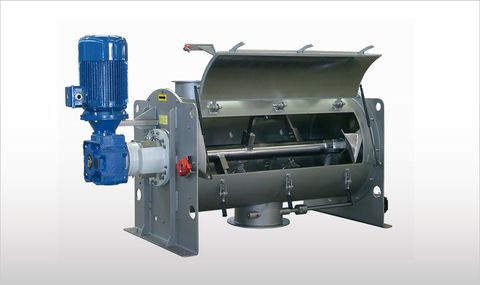
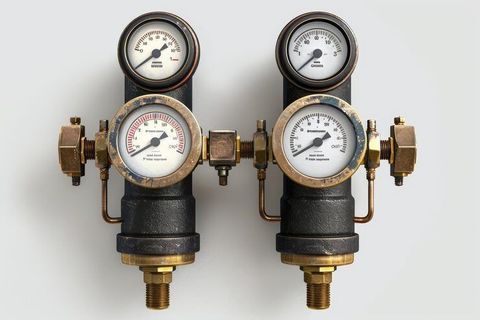
Historically, dewatering methods were mostly mechanical and manual. However, technological advances have introduced automated systems and advanced filtration techniques, making the process faster, safer, and more sustainable. Dewatering is now a fundamental part of modern project planning and environmental protection strategies.
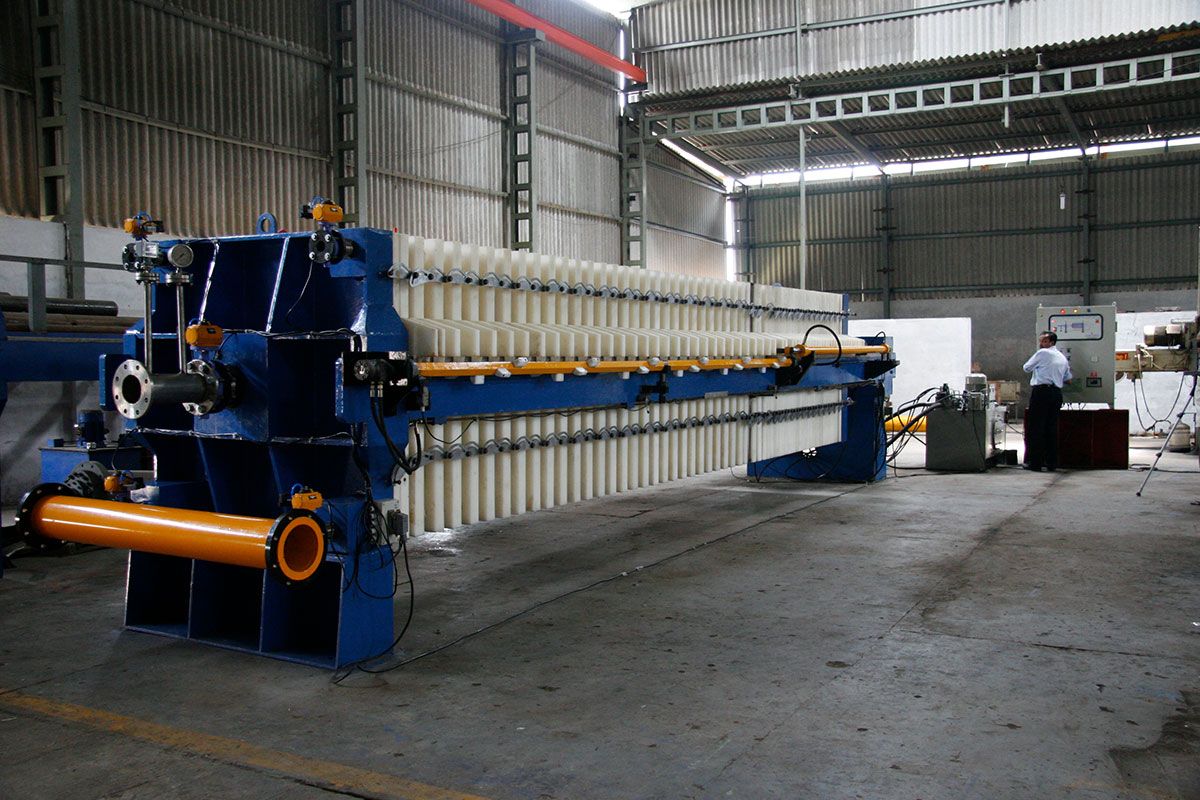
Importance
The significance of dewatering extends across multiple sectors:
-
Construction Projects: Before excavation or foundation work, dewatering stabilizes soil and prevents flooding.
-
Mining Operations: Dewatering is used to manage groundwater and process slurry materials efficiently.
-
Wastewater Treatment: It reduces sludge volume and aids in the recovery of clean water.
-
Environmental Protection: Reduces contamination and ensures safe disposal of industrial and municipal waste.
By improving efficiency and reducing environmental risks, the dewatering process helps companies save operational costs, increase safety, and comply with environmental standards.
The global rise in urban development and infrastructure projects—especially in regions like Asia-Pacific, Africa, and the Middle East—has made dewatering a key component of sustainable industrial growth.
Recent Updates
The dewatering industry has experienced several innovations and trends in recent years:
| Trend/Update | Details | Year/Impact |
|---|---|---|
| Automation & Smart Monitoring | Use of IoT sensors to track water levels and pump performance in real time. | 2024 |
| Eco-Friendly Dewatering Solutions | Increased use of geotextile dewatering bags and polymer conditioning to reduce chemical waste. | 2023–2024 |
| Portable Dewatering Systems | Compact, mobile units for quick site drainage in construction and mining. | 2024 |
| AI-based Optimization | AI tools analyze pump data for predictive maintenance and energy saving. | 2025 |
| Sustainability Focus | Growing global push to recycle dewatered water for industrial reuse. | 2024–2025 |
These updates reflect the global shift toward data-driven, environmentally conscious operations in the dewatering sector.
Laws or Policies
Dewatering operations are subject to several environmental and safety regulations across different countries. Common laws and policies include:
-
Environmental Protection Acts: Many nations regulate how extracted water and sludge must be treated or disposed of to prevent contamination.
-
Water Management Permits: Construction and mining companies often need permits before beginning large-scale dewatering.
-
Local Groundwater Regulations: Authorities limit the rate and volume of water extraction to avoid damaging aquifers or causing land subsidence.
-
Occupational Safety Guidelines: Workers involved in dewatering must follow safety protocols to avoid accidents, especially in excavation zones.
-
Waste Disposal Policies: Dewatered sludge must be tested for hazardous substances before landfill disposal.
In Egypt, India, and several African nations, national water authorities and environmental ministries have updated their dewatering guidelines (2023–2024) to promote sustainable groundwater management and eco-safe sludge disposal.
Tools and Resources
Several digital and mechanical tools simplify and enhance the efficiency of the dewatering process. These include:
Dewatering Equipment and Systems
-
Centrifuge Dewatering Systems: For sludge and wastewater treatment plants.
-
Belt Filter Presses: Common in municipal wastewater management.
-
Vacuum and Submersible Pumps: Ideal for construction site dewatering.
-
Geotextile Dewatering Bags: Used for sediment and fine particle filtration.
Software and Apps
| Tool | Function |
|---|---|
| Aqwise Water Analytics | Real-time data on water levels and flow rates. |
| PumpSizer | Helps determine pump size and capacity for site conditions. |
| HydroCAD | Models stormwater flow and dewatering impact. |
| WaterOnline Calculator | Estimates dewatering time and capacity. |
FAQs
1. What is the main purpose of dewatering?
The primary purpose of dewatering is to remove excess water from solid materials, soil, or sludge to improve stability, reduce waste volume, and prepare areas for construction or disposal.
2. What are the most common dewatering methods?
Popular methods include pump dewatering, centrifugal separation, belt press filtration, and geotextile bag filtration. The choice depends on the material type, site conditions, and environmental regulations.
3. How does dewatering help in construction?
It lowers the groundwater table and prevents flooding, allowing safe excavation and stable foundation work, especially in water-logged or low-lying areas.
4. Are there environmental concerns with dewatering?
Yes. Improper disposal of dewatered sludge or contaminated water can harm ecosystems. Hence, companies must follow strict environmental guidelines and use eco-friendly treatment methods.
5. How long does the dewatering process take?
The duration varies based on factors like soil permeability, water table level, and chosen method. A small construction site may require a few days, while large-scale industrial dewatering may take weeks.
Graph: Dewatering Applications by Industry (Global Share, 2024)
| Industry | Share (%) |
|---|---|
| Construction | 38% |
| Mining | 27% |
| Wastewater Treatment | 25% |
| Agriculture & Others | 10% |
Final Thoughts
The dewatering process is a crucial element of modern infrastructure, environmental management, and industrial efficiency. With advancements in technology, automation, and green practices, industries are now achieving better outcomes with less environmental impact.
Understanding the principles, legal frameworks, and available tools allows professionals to plan dewatering projects that are both cost-effective and sustainable. As global industries continue to emphasize water conservation and eco-friendly waste management, dewatering will remain an essential process for decades to come.