Dental Clips in Orthodontics Discover Modern Teeth Alignment Solutions
Orthodontic treatment has advanced considerably over the past several decades, offering patients more comfortable and efficient methods for correcting tooth alignment. Among the many components used during treatment, dental clips play an important role in securing orthodontic appliances and maintaining consistent force throughout the alignment process.
Modern orthodontic systems are designed to improve treatment precision while enhancing patient comfort. Dental clips, although relatively small, contribute significantly to the stability and effectiveness of braces by helping archwires remain properly positioned during tooth movement.
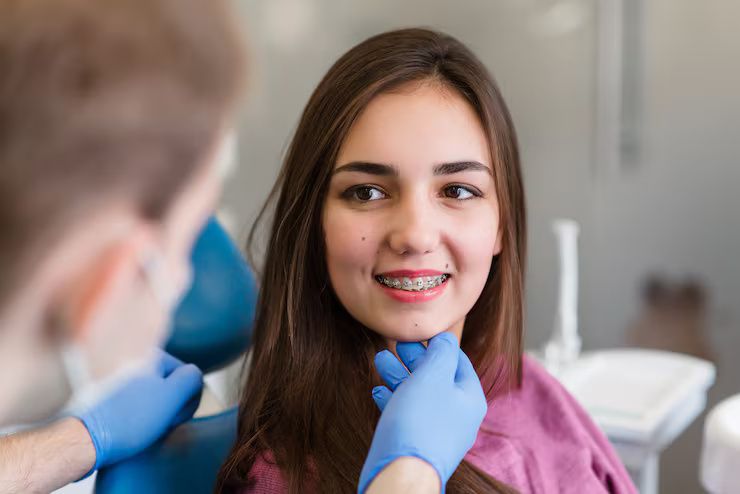
Understanding how dental clips function provides valuable insight into the mechanics of orthodontic treatment. Whether someone is considering braces or simply wants to learn more about modern dental technology, knowing the purpose of these components helps explain how controlled tooth movement is achieved over time.
The Role of Dental Clips in Orthodontic Treatment
Orthodontic treatment depends on controlled, gradual movement of teeth. This movement occurs when gentle forces are applied through brackets and archwires attached to the teeth.
Dental clips are designed to secure the archwire within the bracket system. By holding the wire in its intended position, they allow orthodontic forces to remain consistent as teeth gradually shift toward their planned alignment.
Although clips are only one part of an orthodontic appliance, their proper function directly influences treatment efficiency and appliance stability.
How Dental Clips Work
Braces operate through a combination of brackets, wires, and securing mechanisms. Dental clips hold the archwire against the bracket slot, allowing the wire to deliver carefully controlled pressure.
As the wire attempts to return to its original shape, it produces gentle forces that encourage teeth to move gradually through the surrounding bone. The orthodontist periodically adjusts the appliance as treatment progresses to guide continued movement.
Depending on the orthodontic system being used, clips may be integrated into the bracket itself or may function as separate retaining mechanisms.
Common Materials Used
Dental clips must withstand constant exposure to moisture, temperature changes, and repeated chewing forces while remaining safe for long-term use inside the mouth.
Manufacturers commonly use materials such as:
- Stainless steel
- Nickel-titanium alloys
- Medical-grade ceramic-compatible metals
- High-performance orthodontic alloys
These materials are selected because they offer strength, corrosion resistance, durability, and compatibility with oral tissues.
Material selection also helps ensure that clips maintain their mechanical properties throughout extended orthodontic treatment.
Dental Clips in Different Orthodontic Systems
Orthodontic technology has evolved beyond traditional braces, leading to different methods for securing archwires.
Conventional Braces
Traditional braces often use elastic ligatures or metal clips to secure the archwire to each bracket. These systems remain widely used because they are effective for treating many types of alignment issues.
Self-Ligating Braces
Self-ligating braces incorporate built-in clips within the brackets themselves. These clips open and close to secure the archwire without requiring separate elastic ties.
Because fewer accessories are needed, adjustments may be completed more efficiently, and plaque accumulation around the brackets may be reduced in some situations.
Ceramic Braces
Ceramic orthodontic systems are designed to be less noticeable while maintaining treatment effectiveness. Specialized clips or retaining mechanisms are engineered to work with ceramic brackets while preserving both appearance and durability.
Advantages of Modern Dental Clips
Advances in orthodontic engineering have improved both clip design and overall appliance performance.
Modern dental clips help provide:
- Secure archwire positioning
- Consistent orthodontic force application
- Improved treatment stability
- Reduced likelihood of wire displacement
- Reliable long-term performance
- Compatibility with advanced orthodontic systems
These improvements contribute to more predictable treatment while supporting patient comfort throughout the alignment process.
Maintaining Dental Clips During Treatment
Proper oral hygiene becomes especially important while wearing orthodontic appliances.
Food particles and plaque can accumulate around brackets, clips, and wires if regular cleaning is neglected. Daily brushing with an orthodontic toothbrush, flossing with appropriate cleaning aids, and routine dental checkups help maintain both oral health and appliance performance.
Patients should also avoid biting excessively hard foods that may damage brackets or loosen clips. If any orthodontic component becomes loose or uncomfortable, professional evaluation is recommended rather than attempting repairs at home.
Following the orthodontist's care instructions helps ensure that clips continue functioning correctly throughout treatment.
Advances in Orthodontic Technology
Modern orthodontics increasingly combines digital planning with highly engineered appliance systems.
Three-dimensional imaging allows orthodontists to evaluate tooth positioning more accurately before treatment begins. Digital treatment planning improves appliance customization and helps determine appropriate force application throughout the alignment process.
Manufacturers also continue refining clip designs to improve durability, reduce friction where appropriate, and enhance compatibility with advanced bracket systems.
These developments support more precise treatment planning while improving the overall patient experience.
Factors That Influence Treatment Success
Dental clips contribute to successful orthodontic treatment, but they represent only one part of a carefully coordinated system.
Treatment outcomes are influenced by several factors, including accurate diagnosis, proper appliance selection, patient cooperation, regular adjustment appointments, and consistent oral hygiene.
Individual biological responses also affect how quickly teeth move, meaning treatment duration varies from one patient to another. Maintaining communication with the orthodontist throughout treatment helps ensure that progress remains on track and any necessary adjustments are made promptly.
Frequently Asked Questions
Are dental clips the same as braces?
No. Dental clips are individual components used within orthodontic appliances. They help secure the archwire, while braces consist of brackets, wires, and additional supporting parts.
Can dental clips become loose?
Although they are designed for durability, clips can occasionally loosen due to accidental impacts or excessive chewing forces. Any damaged component should be examined by an orthodontist.
Do all braces use dental clips?
Not every orthodontic system uses the same retaining method. Conventional braces, self-ligating systems, and other orthodontic appliances may use different mechanisms to secure the archwire.
Do dental clips require special care?
They do not require separate maintenance beyond maintaining excellent oral hygiene and following the orthodontist's recommendations regarding food choices and appliance care.
Conclusion
Dental clips are small yet essential components that support the effectiveness of modern orthodontic treatment. By securely holding archwires in position, they allow controlled forces to guide teeth toward improved alignment while contributing to appliance stability throughout the treatment process.
As orthodontic technology continues to advance, improvements in clip design, materials, and integrated bracket systems are helping make teeth alignment more precise, comfortable, and efficient. Understanding the role of dental clips provides a clearer picture of how modern orthodontic solutions achieve predictable and lasting results.

Related Post...
Long Duration ARV Delivery: Explore How Consistent Treatment Works
Updated: September 21, 2026
Read More
Dental Clips in Orthodontics Discover Modern Teeth Alignment Solutions
Updated: July 11, 2026
Read More
Diabetes Management: Explore How Daily Monitoring Supports Better Control
Updated: October 06, 2026
Read More