Cylindrical Grinding Machines Guide: Explore Basics, Uses, and Key Facts
Cylindrical grinding machines are precision tools used in manufacturing to shape and finish cylindrical components. These machines operate by rotating a workpiece while a grinding wheel removes small amounts of material from the surface. The result is a smooth, accurate finish that meets strict dimensional tolerances required in many industrial applications.
The need for cylindrical grinding machines arises from the demand for precision in mechanical parts. Components such as shafts, rods, bearings, and rollers often require exact diameters and smooth finishes to function properly within assemblies. Grinding provides a finishing process that improves surface quality and dimensional accuracy beyond what traditional machining methods can achieve.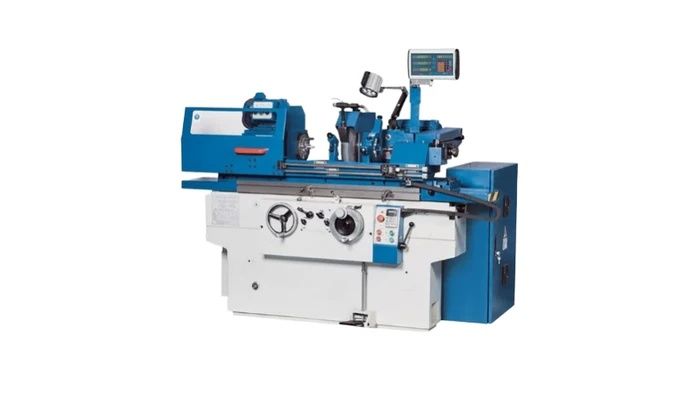
Industries such as automotive manufacturing, aerospace engineering, heavy machinery production, and tool manufacturing rely on cylindrical grinding machines to achieve consistent results in high-precision components. As mechanical systems become more complex and performance expectations increase, the role of grinding technology remains central to precision manufacturing.
Importance
Cylindrical grinding machines play an important role in modern production environments because they ensure high accuracy and surface quality in cylindrical components. Their impact extends across engineering teams, manufacturing facilities, maintenance departments, and quality control operations.
Key reasons these machines matter include:
-
Precision finishing: Cylindrical grinding removes small imperfections and produces highly accurate diameters.
-
Surface quality improvement: The process improves surface finish, which is essential for friction-sensitive components.
-
Component reliability: Precision grinding contributes to longer service life of mechanical parts.
-
Manufacturing consistency: Repeated grinding operations deliver consistent product quality.
-
Compatibility with complex systems: Many mechanical assemblies depend on precisely ground cylindrical components.
Sectors such as automotive engineering, machine tool manufacturing, energy infrastructure, and industrial equipment production all depend on cylindrical grinding machines to maintain precision standards.
Working Principle of Cylindrical Grinding Machines
The operation of cylindrical grinding machines is based on controlled material removal using an abrasive grinding wheel. The workpiece is mounted between centers or held in a chuck and rotated at a controlled speed while the grinding wheel moves across the surface.
The grinding process typically involves several steps:
-
Workpiece rotation: The cylindrical component rotates around its axis.
-
Grinding wheel contact: The abrasive wheel touches the surface of the rotating workpiece.
-
Material removal: Small particles of metal are removed as the wheel passes along the surface.
-
Dimensional finishing: Repeated passes gradually bring the workpiece to the desired diameter and finish.
This controlled interaction between the grinding wheel and the rotating component enables precision cylindrical grinding, which is widely used in finishing operations.
Recent Updates
Recent developments in cylindrical grinding technology reflect broader improvements in manufacturing automation and precision control.
Important developments observed in modern grinding systems include:
-
Digital control systems: CNC cylindrical grinding machines allow automated positioning and repeatable precision.
-
Improved grinding wheel materials: Advanced abrasive materials increase durability and cutting efficiency.
-
Enhanced measurement integration: Sensors and monitoring systems help maintain dimensional accuracy.
-
Automation compatibility: Grinding machines are increasingly integrated with automated loading systems.
-
Energy-efficient designs: Updated drive systems reduce power consumption during operation.
These improvements enable manufacturers to maintain higher levels of accuracy while improving efficiency in precision machining operations.
Laws or Policies
The operation of cylindrical grinding machines is influenced by industrial safety standards and equipment regulations designed to protect workers and ensure reliable operation.
Common regulatory considerations include:
-
Machine safety standards: Requirements for protective guards and emergency stop systems.
-
Workplace safety guidelines: Rules for safe machine operation and operator training.
-
Environmental regulations: Controls related to grinding dust, noise levels, and waste management.
-
Industrial equipment standards: Guidelines ensuring machinery meets performance and reliability requirements.
These regulatory frameworks help maintain safe and responsible operation within manufacturing environments that rely on grinding equipment.
Tools and Resources
Several technical tools and references help engineers and operators understand cylindrical grinding machines and optimize grinding processes.
Commonly used resources include:
-
Grinding speed calculators: Tools used to determine wheel speed and workpiece rotation.
-
Material hardness charts: References that help select appropriate grinding wheels.
-
Machine specification guides: Documentation describing machine capacity and operational parameters.
-
Maintenance planning checklists: Guides that support inspection of grinding wheels and alignment systems.
-
Technical standards references: Documents describing safe operating practices and performance expectations.
These resources assist production teams in maintaining effective precision grinding machine operations.
Types of Cylindrical Grinding Machines
Different types of cylindrical grinding machines are designed for specific machining requirements and production environments.
| Machine Type | Typical Application | Key Characteristic |
|---|---|---|
| Plain cylindrical grinding machine | External cylindrical surfaces | Basic grinding operations |
| Universal cylindrical grinding machine | Complex or varied components | Adjustable wheel angles |
| CNC cylindrical grinding machine | Precision production | Automated positioning |
| Centerless cylindrical grinding machine | High-volume components | No centers required |
Selecting the appropriate machine type depends on production volume, component design, and required precision levels.
Industrial Uses of Cylindrical Grinding Machines
Cylindrical grinding machines are widely used in manufacturing sectors where cylindrical components must meet tight tolerance requirements.
Common applications include:
-
Automotive manufacturing: Grinding crankshafts, camshafts, and transmission components.
-
Aerospace engineering: Finishing precision shafts and turbine components.
-
Industrial machinery: Producing rollers, spindles, and mechanical shafts.
-
Tool manufacturing: Shaping cutting tools and precision tooling parts.
-
Energy sector equipment: Finishing rotating components used in turbines and generators.
These applications demonstrate how industrial grinding machines support critical manufacturing processes.
FAQs
What is a cylindrical grinding machine used for?
A cylindrical grinding machine is used to shape and finish cylindrical components with high precision and smooth surface quality.
How does cylindrical grinding differ from other machining processes?
Grinding removes material using an abrasive wheel rather than cutting tools, enabling finer surface finishes and tighter tolerances.
What industries rely on cylindrical grinding machines?
Automotive, aerospace, heavy machinery, and manufacturing industries commonly use cylindrical grinding machines.
What factors affect grinding accuracy?
Grinding wheel condition, machine alignment, workpiece speed, and material properties influence accuracy.
Are CNC cylindrical grinding machines widely used today?
Yes. CNC systems provide automated control, consistent precision, and efficient production capabilities.
Conclusion
Cylindrical grinding machines are essential tools in precision manufacturing. By enabling accurate finishing of cylindrical components, they support high-performance mechanical systems across numerous industries. Advances in automation, monitoring systems, and abrasive technologies continue to improve their capabilities. Understanding the basics, working principles, and applications of cylindrical grinding machines provides valuable insight into how modern machining processes maintain precision and reliability.

You may also like...
Read About Industrial Mixers: An Overview of Basics, Types, and Uses
Last Update: March 26, 2026
Read
Remote Workforce Infrastructure Explained: Discover Key Details, Facts, and Information
Last Update: March 27, 2026
Read
Discover How Gas Pressure Control Improves Safety and System Stability
Last Update: March 24, 2026
Read