Costa Rica Eco-Adventure Tours: Explore Rainforests, Wildlife and Adventure Activities
Costa Rica eco-adventure tours combine outdoor activities with experiences in forests, mountains, rivers, coastlines, and protected natural areas.
Costa Rica is known for its extensive network of national parks, biological reserves, wildlife habitats, and conservation areas, making nature an important part of its tourism landscape. Eco-adventure travel can include hiking, wildlife observation, kayaking, rafting, canopy activities, snorkeling, and visits to conservation areas.
The country has a varied geography within a relatively compact territory. Visitors can move between Pacific and Caribbean coastal areas, volcanic landscapes, cloud forests, tropical lowlands, and mountain regions. Planning a Costa Rica eco-adventure tour therefore involves understanding geography, weather, protected-area rules, transportation, physical requirements, and environmental practices.
Context
What Are Costa Rica Eco-Adventure Tours?
Costa Rica eco-adventure tours are travel activities that combine outdoor recreation with natural environments and, in many cases, conservation awareness. The term can describe a wide range of experiences rather than one specific type of tour.
Activities may include:
Rainforest and cloud-forest hiking
Wildlife observation
River rafting and kayaking
Zip-line and canopy activities
Snorkeling and coastal exploration
Volcano-area walks
Birdwatching
Sea-kayaking
Guided nature walks
Visits to conservation and protected areas
The difficulty and environmental conditions can vary substantially. A short forest walk may require limited physical effort, while a mountain hike or river activity can involve longer periods outdoors and changing weather conditions.
Costa Rica's Natural Geography
Costa Rica lies between the Pacific Ocean and Caribbean Sea and contains several major geographic regions. Mountain ranges cross the country, while tropical forests, wetlands, beaches, rivers, and volcanic landscapes create different environments for outdoor activities.
The country's protected-area system is administered through the National System of Conservation Areas, commonly known as SINAC. Protected locations can have their own access rules, opening arrangements, trail restrictions, and environmental requirements.
Development of Eco-Adventure Tourism
Nature-based tourism developed alongside Costa Rica's broader conservation efforts. Protected forests and national parks became important destinations for visitors interested in wildlife and outdoor activities.
Over time, tourism expanded beyond traditional sightseeing to include guided hikes, river activities, canopy experiences, marine exploration, and community-based nature activities. This created a connection between tourism planning and environmental management.
Common Destination Areas
Different parts of Costa Rica provide different types of outdoor experiences.
| Region or area | Natural setting | Common activities |
|---|---|---|
| Arenal area | Volcano, forest, lake | Hiking, rafting, nature observation |
| Monteverde | Cloud forest and mountains | Forest walks, birdwatching, canopy activities |
| Osa Peninsula | Tropical forest and coast | Wildlife observation, hiking, marine activities |
| Guanacaste | Dry forest and Pacific coast | Coastal activities, hiking, wildlife observation |
| Tortuguero | Wetlands and Caribbean coast | Boat trips, wildlife observation, forest walks |
| Central Pacific | Coast, forest, marine habitats | Hiking, kayaking, wildlife observation |
Conditions vary by season, location, trail, water level, and protected-area regulations.
Importance
Connection With Natural Areas
Costa Rica eco-adventure tours provide ways to experience forests, rivers, mountains, wetlands, and coastal environments. Guided activities can also introduce visitors to local plants, animals, geological features, and conservation practices.
The educational element can vary according to the activity and guide. Visitors should follow local instructions concerning wildlife, trails, vegetation, and waste.
Supporting Conservation and Local Communities
Nature-based tourism is connected with conservation and local economic activity in many parts of Costa Rica. Entrance fees for protected areas can contribute to the administration and management of conservation areas, according to applicable government arrangements.
Local communities may also participate through accommodation, guiding, transportation, food production, crafts, and nature-related activities. The relationship between tourism and local communities differs by destination.
Wildlife Observation
Costa Rica contains habitats for many bird, mammal, reptile, amphibian, and marine species. Wildlife observation is therefore a common component of eco-adventure travel.
Animals remain wild and sightings cannot be assumed. Visitors should maintain appropriate distances, avoid feeding wildlife, and follow instructions from guides and protected-area authorities.
Physical and Environmental Conditions
Outdoor activities can involve heat, humidity, rain, uneven terrain, strong currents, insects, and changes in elevation. Ocean and river conditions can also change according to weather and seasonal patterns.
Travelers should understand the physical requirements of an activity before participating. Water activities may have additional requirements related to swimming ability, equipment, river conditions, or weather.
Sustainable Travel Practices
Responsible nature travel generally involves minimizing disturbance to ecosystems. Practical measures include:
Staying on designated trails
Carrying reusable water containers where appropriate
Taking waste out of natural areas
Avoiding contact with wildlife
Following protected-area instructions
Respecting local communities and cultural practices
Avoiding removal of plants, rocks, shells, or other natural materials
These practices help reduce pressure on sensitive environments.
Recent Updates
Digital Trip Planning
From 2024 through 2026, digital tools have continued to influence how visitors plan nature-based travel in Costa Rica. Online maps, reservation platforms, weather information, park information, and digital travel documents can help travelers organize different parts of an itinerary.
Official information remains important because access arrangements, weather conditions, trail availability, and protected-area rules can change.
Greater Interest in Nature-Based Travel
Nature-focused travel continues to be an important part of Costa Rica's tourism identity. Travelers increasingly combine wildlife observation, outdoor activities, conservation visits, and cultural experiences within the same itinerary.
This can create more varied travel plans, but it also requires attention to travel distances and environmental conditions between destinations.
Conservation Awareness
Recent tourism discussions increasingly emphasize responsible visitor behavior, biodiversity protection, and the relationship between tourism and conservation. Protected areas may use visitor controls, designated trails, regulated access, and other measures to manage environmental pressure.
The specific rules depend on the protected area and activity.
Digital and Cashless Travel Planning
Electronic reservations, digital maps, mobile communication, and electronic payment systems have become increasingly common in travel planning. Travelers should still maintain access to essential information when visiting areas with limited connectivity.
Rural and protected locations can have different levels of mobile coverage and infrastructure. Offline maps and saved reservation information can therefore be useful during outdoor travel.
Weather and Climate Planning
Weather remains an important factor in Costa Rica eco-adventure tours. Rainfall patterns can influence hiking conditions, river levels, road conditions, and marine activities.
Rather than relying only on a general national forecast, travelers should check conditions for the specific region and activity. Local conditions can differ significantly between coastal, mountainous, and inland areas.
Laws or Policies
Protected Areas and SINAC
Costa Rica's protected areas are managed through the National System of Conservation Areas, or SINAC, which operates under the country's environmental framework. National parks, biological reserves, wildlife refuges, and other conservation areas can have specific visitor rules.
Visitors may need to use designated entrances, purchase applicable admission access, remain on authorized trails, and follow restrictions concerning wildlife, food, photography, drones, or other activities.
Wildlife Protection
Costa Rica has laws and regulations intended to protect wildlife and natural ecosystems. Visitors should not capture, feed, harass, or intentionally disturb wild animals.
Activities involving wildlife should be conducted according to the rules of the relevant protected area and environmental authority. Marine and coastal activities may have additional restrictions in sensitive habitats.
Forest and Environmental Protection
Costa Rica's environmental framework includes measures concerning forests, biodiversity, protected areas, water resources, and wildlife. Certain activities in natural areas may require specific authorization.
Travelers should not assume that activities permitted in one location are permitted elsewhere. Rules can differ between national parks, private reserves, beaches, rivers, and other conservation areas.
Maritime and Coastal Areas
Costa Rica has both Pacific and Caribbean coastlines. Beaches and coastal zones may involve different public-access, conservation, marine-resource, and land-management rules.
Visitors participating in snorkeling, diving, boating, fishing, or other marine activities should follow the requirements established for the particular location and activity.
Visitor Safety
Outdoor recreation can involve inherent physical risks. Activity providers and protected areas may establish requirements concerning equipment, age, physical ability, weather conditions, river levels, or access.
Travelers should review the applicable instructions before participating and follow emergency procedures provided by the relevant authority or activity operator.
Tools and Resources
Official Tourism Information
The Costa Rican Tourism Institute, known as the Instituto Costarricense de Turismo or ICT, provides tourism information about destinations, transportation, activities, and travel planning.
SINAC provides information related to protected areas, conservation management, visitor access, and applicable rules.
Maps and Navigation
Digital mapping platforms can help travelers understand distances, road networks, trail locations, and geographic conditions. Offline map functions can be useful in remote areas where mobile connectivity may be limited.
For hiking, travelers should distinguish between general map information and official trail information because trails can change due to weather, maintenance, conservation restrictions, or safety conditions.
Weather Resources
National and regional weather information can help with activity planning. Travelers should consider rainfall, temperature, wind, marine conditions, and river levels where relevant.
Weather information should be checked close to an activity because tropical conditions can change relatively quickly.
Travel Planning Templates
A simple itinerary can record:
Destination and region
Travel dates
Transportation arrangements
Protected-area access information
Activity duration
Physical requirements
Weather considerations
Emergency contact information
Accommodation details
Keeping these details together can make a multi-region itinerary easier to manage.
FAQs
What are Costa Rica eco-adventure tours?
Costa Rica eco-adventure tours are nature-focused travel activities that can include hiking, wildlife observation, rafting, kayaking, canopy activities, snorkeling, and visits to protected areas. The activities and environmental conditions vary by destination.
What activities are included in Costa Rica eco-adventure tours?
Common activities include rainforest hiking, cloud-forest walks, wildlife observation, rafting, kayaking, snorkeling, birdwatching, volcano-area exploration, and canopy experiences. Availability depends on location, weather, seasonal conditions, and local rules.
When is a suitable time for Costa Rica eco-adventure tours?
The appropriate period depends on the region and activity. Costa Rica has distinct rainfall patterns, but conditions vary between the Pacific coast, Caribbean coast, mountains, and inland forests. Activity-specific weather information should be checked before travel.
Are Costa Rica eco-adventure tours suitable for families?
Some nature activities are designed for a broad range of participants, while others involve age, height, physical ability, swimming, or safety requirements. Families should check the conditions for each specific activity before planning participation.
Are national parks included in Costa Rica eco-adventure tours?
Some itineraries include national parks or other protected areas, while others take place on private reserves, rivers, beaches, or community-managed areas. Access rules, admission arrangements, trail restrictions, and activity permissions vary by location.
Conclusion
Costa Rica eco-adventure tours combine outdoor recreation with experiences in forests, mountains, rivers, coastlines, and protected natural areas. Activities range from hiking and wildlife observation to rafting, kayaking, snorkeling, and canopy experiences, with conditions varying across the country. Recent travel trends have emphasized digital planning, nature-focused itineraries, conservation awareness, and responsible visitor behavior. Protected-area rules, wildlife regulations, weather conditions, and activity-specific requirements are important parts of planning nature-based travel in Costa Rica.

Related Post...

Hotel Booking Guide: Essential Tips and Insights for Smart Travelers
Updated: April 07, 2026
Read More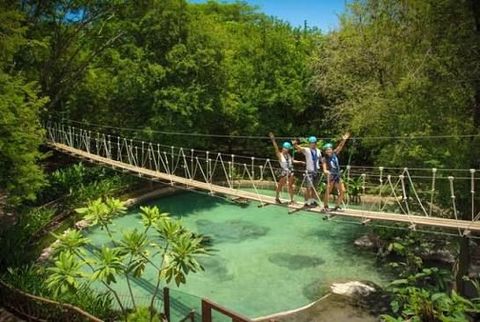
Costa Rica Eco-Adventure Tours: Explore Rainforests, Wildlife and Adventure Activities
Updated: September 26, 2026
Read More
Dubai Desert Camping Tours: Key Facts About Camps, Desert Activities and Routes
Updated: September 19, 2026
Read More