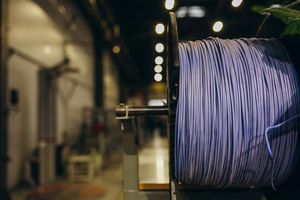
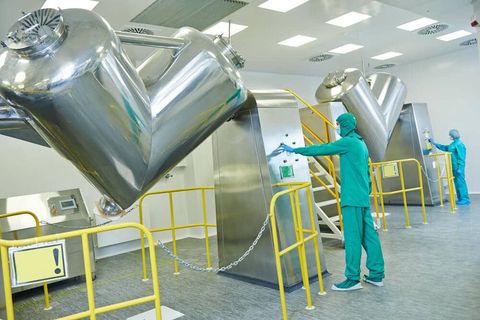
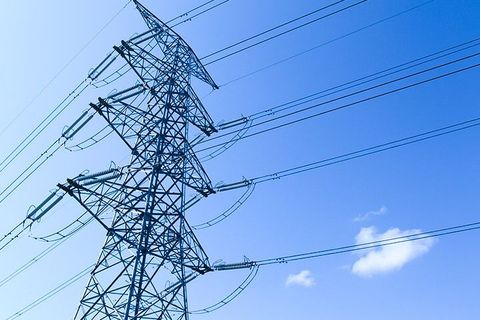
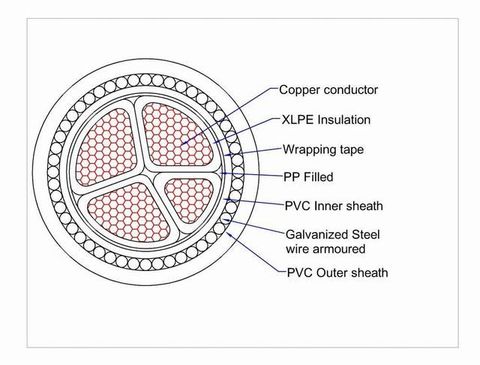
Modern copper manufacturing exists to transform raw copper ore into usable forms such as sheets, rods, wires, pipes, and alloys. These forms support a wide range of applications, including electrical infrastructure, construction, transportation, electronics, and renewable energy systems. The manufacturing process combines mining, metallurgy, mechanical processing, and quality control to meet global material standards.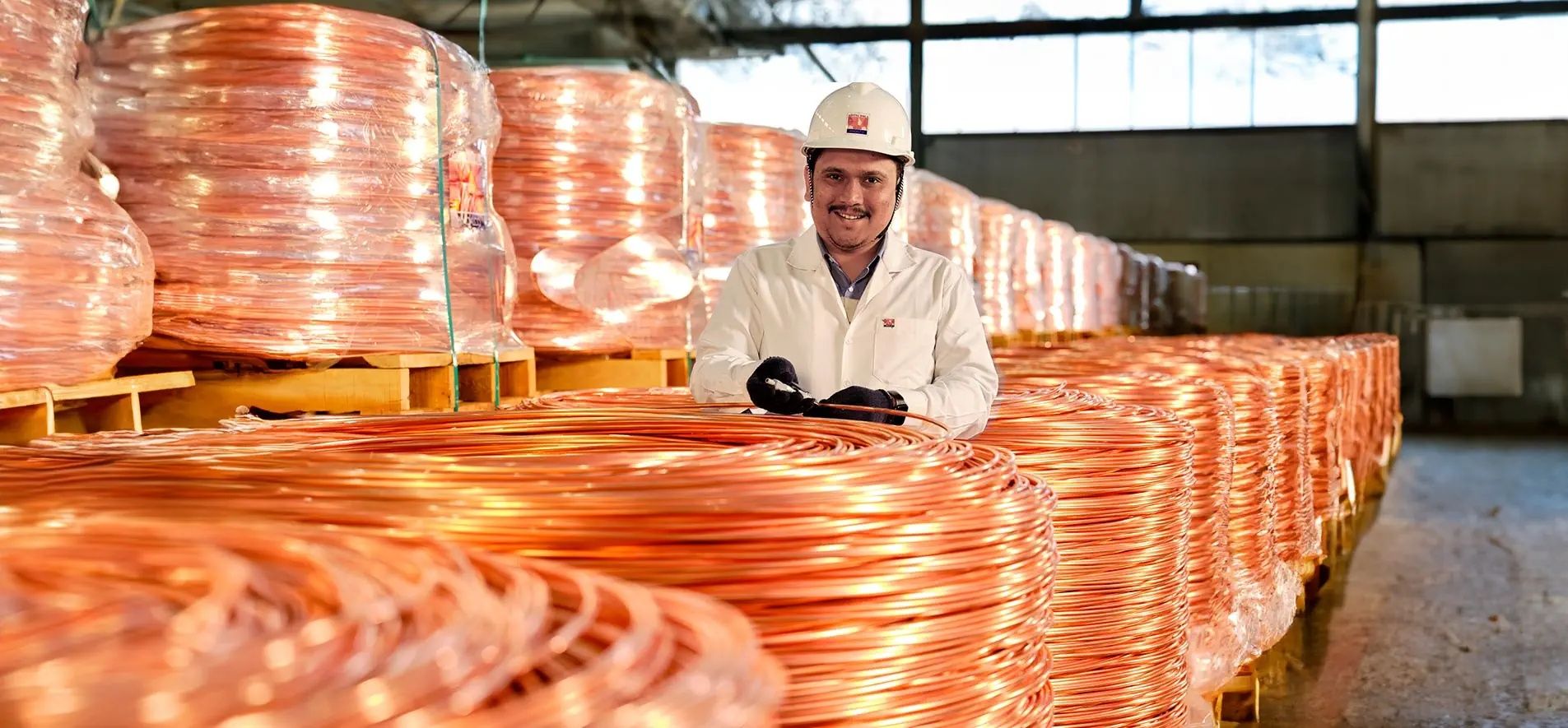
Why Copper Metal Manufacturing Matters Today
Copper continues to play a critical role in modern economies and industrial ecosystems. Its physical and chemical properties make it suitable for applications where efficiency, reliability, and longevity are required.
Key reasons copper manufacturing remains important include:
-
High electrical and thermal conductivity supporting power transmission
-
Essential use in renewable energy systems such as solar and wind
-
Structural reliability in plumbing, roofing, and industrial equipment
-
Strong resistance to corrosion in harsh environments
-
Compatibility with alloy formation such as brass and bronze
-
High recyclability supporting circular economy practices
Copper manufacturing affects a wide range of stakeholders, including infrastructure planners, electrical engineers, construction professionals, manufacturers, researchers, and policymakers. It helps solve problems related to energy efficiency, material durability, system reliability, and long-term resource management.
As global demand for electrification, electric vehicles, data centers, and smart infrastructure grows, copper manufacturing remains a foundational industrial activity.
How Copper Metal Manufacturing Works
Copper production typically follows a structured sequence that transforms ore into refined metal products.
Common stages in copper manufacturing include:
-
Mining and Ore Extraction
Copper ore is extracted from open-pit or underground mines. The ore contains copper minerals mixed with rock and other elements. -
Crushing and Concentration
The ore is crushed and ground, then processed through flotation to separate copper-rich concentrate. -
Smelting and Converting
Concentrated ore is heated to remove impurities, producing molten copper matte and then blister copper. -
Refining and Purification
Electrolytic refining removes remaining impurities, resulting in high-purity copper cathodes. -
Forming and Fabrication
Refined copper is cast, rolled, drawn, or extruded into usable forms such as wires, tubes, and plates.
This multi-stage approach ensures copper meets strict industrial and electrical standards.
Table: Common Copper Manufacturing Methods and Outputs
| Manufacturing Method | Primary Purpose | Typical Output Forms |
|---|---|---|
| Pyrometallurgy | High-temperature extraction | Blister copper, anodes |
| Hydrometallurgy | Chemical leaching processes | Copper cathodes |
| Electrorefining | Purity enhancement | High-grade copper |
| Rolling & Drawing | Shape transformation | Sheets, wires, strips |
| Extrusion | Structural shaping | Pipes, rods, profiles |
Recent Developments and Industry Trends
Copper manufacturing has evolved significantly in response to energy transition goals, digital manufacturing practices, and environmental awareness. Over the past year, several notable developments have influenced the sector.
Key observations from 2024–2025 include:
-
Increased emphasis on copper usage for electric vehicle charging infrastructure
-
Expansion of copper demand linked to renewable energy grid upgrades
-
Greater use of automation and digital monitoring in smelting and refining
-
Focus on reducing emissions during high-temperature processing
-
Improved recovery rates from low-grade copper ores
-
Increased recycling integration into primary manufacturing streams
-
Adoption of predictive maintenance systems in copper plants
These trends indicate a shift toward efficiency, sustainability, and digital oversight in copper metal manufacturing.
Laws, Policies, and Regulatory Considerations
Copper manufacturing operates within regulatory frameworks designed to ensure environmental protection, worker safety, and resource accountability. While specific regulations vary by country, common policy areas include:
-
Mining permissions and land-use regulations
-
Environmental impact assessments for extraction and smelting
-
Emission and waste management standards
-
Energy usage and efficiency reporting requirements
-
Occupational safety rules for high-temperature operations
-
Recycling and scrap-metal utilization guidelines
Government programs in many regions encourage responsible mineral extraction, cleaner production technologies, and sustainable use of non-renewable resources. These policies aim to balance industrial growth with environmental and social responsibility.
Tools, Resources, and Knowledge References
Several tools and resources support understanding and managing copper manufacturing processes. These are commonly used by engineers, analysts, students, and industry planners.
Helpful resources include:
-
Metallurgical process flow diagrams for copper production
-
Electrical conductivity calculators for copper applications
-
Material property databases for copper and copper alloys
-
Industrial standards documentation for copper grades
-
Energy-efficiency assessment tools for metal plants
-
Environmental monitoring templates for emissions and waste
-
Production planning and capacity tracking software
These tools help improve operational understanding, process optimization, and compliance tracking.
Practical Insights and Application Knowledge
Copper manufacturing is not limited to producing raw metal; it supports multiple downstream industries.
Key application areas include:
-
Electrical wiring and power distribution networks
-
Electronics, circuit boards, and connectors
-
Plumbing systems and heat exchangers
-
Industrial machinery and heavy equipment
-
Transportation components and railway systems
-
Renewable energy installations and grid infrastructure
Manufacturers focus on consistency, purity, and mechanical strength to ensure copper performs reliably across these applications.
Table: Major Copper Applications and Their Purpose
| Application Area | Role of Copper |
|---|---|
| Electrical Systems | Efficient current transmission |
| Construction | Durable piping and roofing |
| Electronics | Reliable signal conduction |
| Energy Systems | Grid connectivity and storage |
| Industrial Equipment | Thermal and structural stability |
FAQs
What makes copper suitable for electrical applications?
Copper has high electrical conductivity and low resistance, allowing efficient energy transfer with minimal losses.
Is copper manufacturing environmentally controlled?
Yes. Regulations focus on emission reduction, waste handling, and energy efficiency during mining and refining.
Can copper be reused after manufacturing?
Copper is highly recyclable and can be reused multiple times without significant loss of properties.
What forms of copper are commonly manufactured?
Common forms include wires, sheets, rods, tubes, plates, and alloy-based components.
How does copper manufacturing support renewable energy?
Copper is essential for power transmission, energy storage connections, and equipment used in solar and wind systems.
Conclusion
Copper metal manufacturing remains a cornerstone of modern industrial development. From its origins in ancient toolmaking to its current role in advanced electrical and energy systems, copper continues to support progress across sectors. The manufacturing process combines extraction, refining, and fabrication techniques that ensure copper meets demanding performance standards.
Recent developments show a clear focus on efficiency, digital oversight, and sustainable practices. Regulations and industry guidelines help manage environmental impact while supporting growing global demand. With its unmatched conductivity, durability, and recyclability, copper remains an indispensable material.
Understanding copper metal manufacturing provides valuable insight into how essential infrastructure, energy systems, and modern technologies are built and maintained. As industries evolve, copper’s role is expected to remain central in shaping reliable and resilient systems worldwide.