Construction Equipment Manufacturing Overview: Essential Details and Best Practices
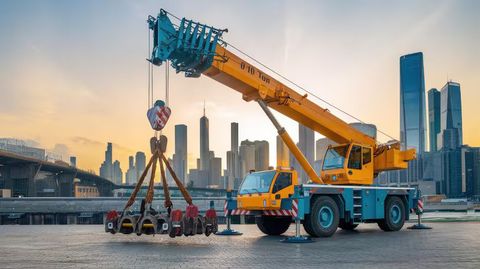
Construction equipment plays a critical role in infrastructure development, commercial projects, residential construction, mining operations, and transportation networks. From excavators and loaders to cranes and earthmoving machines, these specialized products help organizations complete complex tasks with greater efficiency and precision.
As global infrastructure needs continue to expand, construction equipment manufacturing has become an increasingly important sector within the industrial economy. Manufacturers are expected to produce durable, reliable, and technologically advanced equipment capable of performing under demanding operating conditions while meeting evolving industry standards.
Understanding how construction equipment is designed, manufactured, tested, and continuously improved provides valuable insight into one of the most significant segments of modern industrial production. This article explores the manufacturing process, industry challenges, technological developments, and best practices that influence construction equipment production today.
What Is Construction Equipment Manufacturing?
Construction equipment manufacturing refers to the design, engineering, production, assembly, and testing of machinery used in construction and related industries.
These machines are developed to perform tasks such as excavation, material handling, grading, lifting, demolition, road construction, and site preparation. Manufacturers combine mechanical engineering, material science, electronics, software systems, and industrial production techniques to create equipment capable of operating in demanding environments.
The manufacturing process involves multiple stages that transform raw materials and engineered components into finished machines ready for commercial use.
Because construction equipment often operates under heavy loads and harsh conditions, manufacturers place significant emphasis on quality, durability, safety, and performance throughout the production lifecycle.
Why the Industry Remains Important
Construction equipment manufacturing supports numerous sectors that contribute to economic development and infrastructure expansion.
Roads, bridges, airports, energy facilities, industrial complexes, and residential projects frequently depend on specialized equipment to complete essential tasks efficiently.
The industry also drives innovation in engineering, automation, manufacturing technology, and sustainable industrial practices. As construction projects become more complex, equipment manufacturers continue developing machines that offer greater productivity, improved operator support, and enhanced operational efficiency.
This ongoing demand ensures that construction equipment manufacturing remains a strategically important industrial sector worldwide.
Core Stages of the Manufacturing Process
The production of construction equipment involves a carefully coordinated sequence of activities designed to ensure reliability and performance.
Design and Engineering
Every machine begins with detailed engineering and product development.
Engineers evaluate operational requirements, structural loads, safety considerations, environmental conditions, and performance expectations before creating design specifications.
Modern design teams frequently use advanced digital modeling and simulation technologies to evaluate performance before physical production begins.
This approach helps identify potential improvements while reducing development risks.
Component Manufacturing
After design approval, manufacturers begin producing the various components required for assembly.
These components may include:
- Structural frames
- Hydraulic systems
- Powertrain assemblies
- Electrical systems
- Operator controls
- Engine components
Precision manufacturing processes help ensure that each component meets defined quality standards.
Assembly Operations
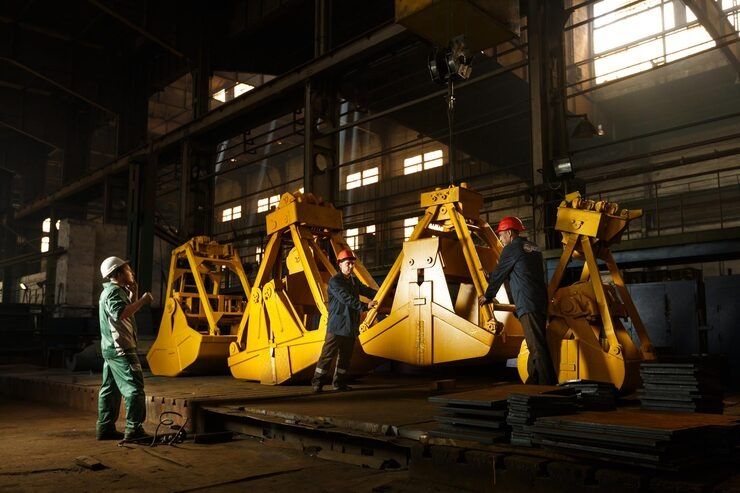
Assembly is one of the most visible stages of construction equipment manufacturing.
During this phase, components are integrated into complete machines through a structured production workflow.
Skilled technicians, automated equipment, and quality control systems work together to ensure proper assembly and operational consistency.
Testing and Validation
Before equipment reaches customers, manufacturers conduct extensive testing and validation procedures.
These evaluations may assess:
- Structural integrity
- Functional performance
- Safety systems
- Hydraulic operations
- Electronic controls
- Environmental durability
Testing helps verify that equipment performs as intended under real-world operating conditions.
The Role of Quality Control
Quality control remains one of the most important aspects of construction equipment manufacturing.
Even minor defects can affect equipment performance, reliability, and operational safety.
Manufacturers typically implement quality assurance programs throughout the production process rather than relying solely on final inspections.
This proactive approach allows potential issues to be identified and addressed earlier in the manufacturing cycle.
Modern quality systems often combine automated inspection technologies with human expertise to achieve consistent production outcomes.
Materials Used in Construction Equipment Production
Construction machinery must withstand significant mechanical stress, heavy loads, vibration, and environmental exposure.
As a result, material selection is a critical component of the manufacturing process.
Common materials include:
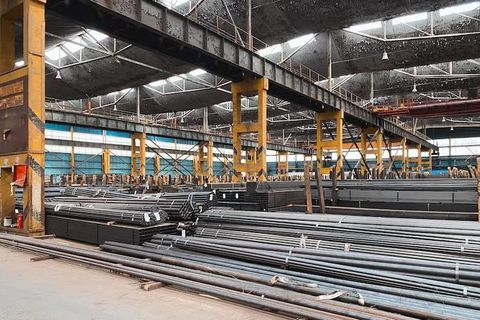
- High-strength steel
- Cast metals
- Specialized alloys
- Industrial polymers
- Composite materials
Engineers select materials based on factors such as strength requirements, weight considerations, durability expectations, and operating environments.
Advances in material science continue to influence equipment design by supporting stronger and more efficient machine structures.
How Automation Is Transforming Manufacturing Operations
Automation has become a major driver of efficiency within modern manufacturing facilities.
Many production environments now incorporate advanced technologies to improve precision, consistency, and operational performance.
Examples include:
- Robotic welding systems
- Automated material handling
- Computer-controlled machining
- Digital production monitoring
- Predictive maintenance technologies
These solutions help manufacturers improve productivity while supporting higher levels of quality control.
Automation also contributes to more efficient use of resources and greater production flexibility.
Sustainability and Environmental Considerations
Environmental considerations are increasingly influencing manufacturing strategies across industrial sectors.
Construction equipment manufacturers are exploring ways to reduce environmental impact throughout both production and product lifecycles.
Areas of focus often include:
- Energy-efficient manufacturing processes
- Resource optimization
- Waste reduction initiatives
- Sustainable material usage
- Equipment efficiency improvements
Many organizations are integrating sustainability objectives into broader operational and product development strategies.
As environmental expectations continue evolving, sustainability will likely remain an important area of innovation within the industry.
Challenges Facing Construction Equipment Manufacturers
Like many industrial sectors, construction equipment manufacturing faces several ongoing challenges.
Supply chain complexity remains a significant consideration because modern equipment often relies on components sourced from multiple locations.
Manufacturers must also adapt to changing customer requirements, evolving regulations, workforce development needs, and technological advancements.
Additional challenges may include:
- Production efficiency management
- Material availability fluctuations
- Technology integration requirements
- Global competition
- Product lifecycle management
Successfully navigating these challenges requires continuous improvement and strategic planning.
Emerging Trends Shaping the Future
Several developments are expected to influence the future of construction equipment manufacturing.
Smart Equipment Technologies
Digital technologies are becoming increasingly integrated into construction machinery.
Sensors, connectivity systems, and data analytics capabilities help improve equipment monitoring and operational visibility.
These technologies support more informed decision-making and improved fleet management practices.
Advanced Manufacturing Systems
Manufacturers are continuing to invest in digitally connected production environments.
These systems improve visibility across manufacturing operations and support greater operational efficiency.
As digital transformation expands, advanced manufacturing technologies will likely play an increasingly important role in production management.
Operator-Centered Design
Modern equipment development increasingly focuses on improving operator experience.
Manufacturers are incorporating ergonomic designs, enhanced visibility, intuitive controls, and advanced support systems to improve usability and productivity.
This trend reflects growing recognition of the relationship between equipment design and operational performance.
Best Practices for Effective Manufacturing Operations
Successful construction equipment manufacturers often emphasize several key practices:
- Strong quality management systems
- Continuous process improvement
- Workforce development and training
- Technology adoption strategies
- Data-driven decision-making
- Supply chain collaboration
- Long-term product reliability planning
These practices help support consistent production performance while maintaining competitiveness within a rapidly evolving industrial landscape.
Conclusion
Construction equipment manufacturing is a highly specialized industry that combines engineering expertise, advanced production methods, quality management systems, and continuous innovation. The sector plays a vital role in supporting infrastructure development and economic growth while driving advancements in industrial technology.
As automation, digital transformation, sustainability initiatives, and smart equipment technologies continue evolving, manufacturers must adapt to changing industry expectations and operational requirements. Understanding the processes, challenges, and best practices involved in construction equipment production provides valuable insight into how modern industrial systems create the machines that help build and maintain the world around us.

Related Post...

LED Lighting Explore the Basics of Types, Uses, and Advantages
Updated: September 08, 2026
Read More
Supply Chain Management Systems: Explore How Modern Networks Connect
Updated: September 15, 2026
Read More
Industrial SCADA Systems Integration: Explore Modern Control Networks
Updated: September 15, 2026
Read More