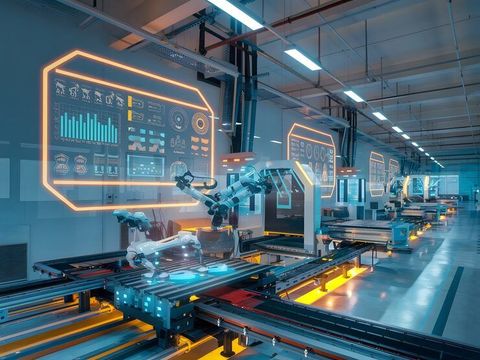
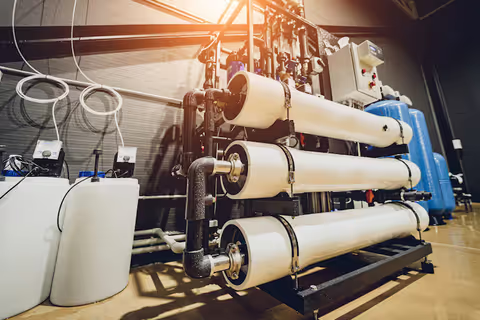
The concept of hydraulic power has existed for centuries, with early examples seen in water-driven mills and irrigation systems. Over time, advancements in engineering led to modern hydraulic systems that are compact, efficient, and widely used in both industrial and everyday applications. Today, hydraulic pump systems are found in equipment such as excavators, elevators, braking systems, and industrial presses.
Understanding how these systems work helps individuals better appreciate the technology behind many tools and machines used in daily life.
Importance
Hydraulic pump systems play a key role in enabling machines to perform heavy-duty operations with precision and control. They are especially useful in situations where large forces are required in limited space. For example, construction machinery uses hydraulic systems to lift and move materials, while automotive systems rely on hydraulics for braking.
These systems affect a wide range of people, including engineers, machine operators, maintenance personnel, and even everyday users of vehicles. Their importance can be seen in several practical advantages:
- High power output, allowing machines to handle heavy loads
- Smooth and controlled movement, improving safety and accuracy
- Compact design, making them suitable for limited spaces
- Flexibility, as they can be adapted for various applications
Despite these benefits, hydraulic pump systems also present challenges. Fluid leaks, pressure loss, and maintenance requirements can affect performance. Understanding these aspects helps users operate systems more effectively and reduce potential issues.
Recent Updates
Hydraulic pump systems have seen gradual improvements in efficiency, durability, and environmental impact. One noticeable trend is the integration of smart monitoring technologies. Sensors are now used to track pressure, temperature, and fluid levels, helping detect issues early and improve system reliability.
Another development is the focus on energy efficiency. Modern hydraulic pumps are designed to reduce energy consumption by adjusting output based on demand. Variable displacement pumps, for example, allow better control of fluid flow compared to fixed displacement models.
There is also growing attention to environmentally friendly hydraulic fluids. These fluids aim to reduce environmental impact in case of leaks or disposal. In addition, manufacturers are exploring hybrid systems that combine hydraulic and electric components for improved performance.
Laws or Policies
Hydraulic pump systems are subject to various regulations and standards to ensure safety, environmental protection, and operational reliability. These rules differ by country but generally follow similar principles.
In many regions, workplace safety regulations require proper maintenance and inspection of hydraulic equipment. Operators must follow guidelines related to pressure limits, fluid handling, and equipment operation to reduce the risk of accidents.
Environmental policies also influence hydraulic systems. Regulations often address the disposal of hydraulic fluids and the prevention of leaks that could harm soil or water sources. In some cases, industries are encouraged to use biodegradable or less harmful fluids.
Standards organizations develop technical guidelines for hydraulic components and system design. These standards help ensure compatibility, safety, and consistent performance across different types of equipment.
Tools and Resources
A variety of tools and resources are available to help individuals understand and manage hydraulic pump systems. These tools support learning, design, and maintenance processes.
Common resources include:
- Online hydraulic calculators, which help estimate flow rate, pressure, and power requirements
- Technical manuals, providing detailed explanations of system components and operation
- Simulation software, allowing users to model hydraulic circuits and test performance
- Educational platforms, offering courses and tutorials on fluid power systems
- Maintenance checklists, helping ensure regular inspection and proper functioning
These resources are useful for both beginners and experienced users, as they simplify complex concepts and support practical understanding.
Types of Hydraulic Pumps
Hydraulic pump systems use different types of pumps depending on the application. Each type has unique characteristics that affect performance and efficiency.
| Pump Type | Key Feature | Common Use Case |
|---|---|---|
| Gear Pump | Simple design, steady flow | Agricultural equipment |
| Vane Pump | Smooth operation, moderate pressure | Industrial machinery |
| Piston Pump | High pressure capability | Construction and heavy equipment |
| Axial Piston Pump | Variable flow control | Advanced hydraulic systems |
| Radial Piston Pump | High efficiency under pressure | Specialized industrial applications |
Understanding these types helps users choose the appropriate hydraulic pump system for specific tasks.
FAQs
What is a hydraulic pump system and how does it work?
A hydraulic pump system converts mechanical energy into hydraulic energy by moving fluid through a circuit. The pressurized fluid then powers different components, such as cylinders or motors, to perform work.
What are the main components of hydraulic pump systems?
Key components include the pump, hydraulic fluid, reservoir, valves, hoses, and actuators. Each part plays a role in controlling fluid flow and pressure within the system.
Where are hydraulic pump systems commonly used?
Hydraulic pump systems are used in construction equipment, manufacturing machines, aircraft systems, automotive braking, and agricultural machinery. They are suitable for tasks requiring high force and precise control.
What are common problems in hydraulic pump systems?
Common issues include fluid leaks, contamination, overheating, and pressure loss. Regular inspection and proper handling of components help reduce these problems.
How do modern hydraulic pump systems improve efficiency?
Modern systems use technologies such as variable displacement pumps and smart sensors. These features help optimize energy use, monitor system performance, and reduce unnecessary pressure or fluid flow.
Conclusion
Hydraulic pump systems are widely used to generate and control power in many types of machinery. They provide strong, precise, and adaptable performance for a variety of applications. While they require proper handling and maintenance, advancements in technology continue to improve their efficiency and reliability. Understanding their basic principles helps individuals make sense of the machines and tools used in everyday life.