CNC Machine Automation: A Complete Guide to Technologies, Benefits, and Applications
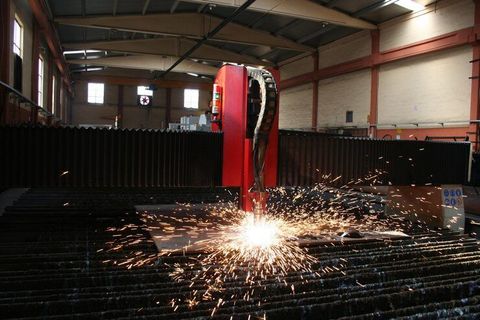
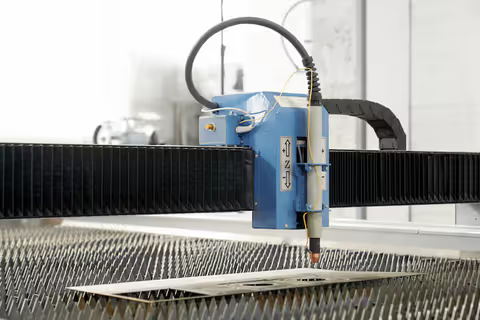
CNC Machine Automation refers to the use of computer-controlled systems and automated technologies to operate Computer Numerical Control (CNC) machines in manufacturing environments. CNC machines are widely used to cut, shape, drill, mill, and finish materials such as metal, plastic, wood, and composite materials with a high degree of precision.
The development of CNC technology began as industries sought more accurate and efficient methods of manufacturing parts. Traditional machining processes often relied heavily on manual operation, which could result in variations between products and longer production times. As computer technology advanced, manufacturers adopted CNC systems to improve consistency and precision.
Automation expanded the capabilities of CNC machines by integrating robotics, sensors, software, and digital monitoring tools. Instead of relying entirely on human operators for repetitive tasks, automated systems can assist with material handling, tool changes, machine monitoring, and quality control activities.
Today, CNC Machine Automation plays an important role in industries such as aerospace, automotive manufacturing, medical device production, electronics, energy, and industrial equipment manufacturing. The technology supports modern production environments where precision, efficiency, and repeatability are important requirements.
As manufacturing becomes increasingly digital, CNC automation continues evolving through integration with advanced software platforms, artificial intelligence, and connected industrial systems.
Importance
Improving Manufacturing Precision
One of the primary reasons CNC Machine Automation is important is its ability to support precise manufacturing processes. Computer-controlled instructions allow machines to perform repetitive operations with consistent accuracy.
This precision is important in industries where components must meet strict specifications, including:
- Aerospace manufacturing
- Medical equipment production
- Automotive components
- Electronics manufacturing
- Industrial machinery production
Consistent production quality helps reduce variations between finished parts.
Supporting Production Efficiency
Automation allows manufacturing systems to operate more efficiently by reducing manual intervention in repetitive processes. Automated systems can handle routine tasks while operators focus on monitoring equipment and managing production workflows.
Examples of automated functions include:
- Automatic tool changing
- Material loading and unloading
- Production monitoring
- Quality inspection support
- Data collection and reporting
These capabilities help streamline manufacturing operations.
Enhancing Workplace Safety
Manufacturing environments often involve heavy machinery, cutting tools, and moving equipment. CNC Machine Automation can reduce direct human interaction with potentially hazardous processes by allowing machines and robotic systems to perform certain tasks.
Safety improvements may include:
- Reduced exposure to moving machine components
- Automated material handling
- Enclosed machining environments
- Sensor-based monitoring systems
These features support safer industrial operations.
Supporting Complex Manufacturing Requirements
Modern products often contain highly detailed components that require precise machining. CNC automation enables manufacturers to produce complex shapes and intricate designs that would be difficult to create consistently through manual methods.
The following table illustrates common CNC automation components and their functions:
| Component | Function | Application |
|---|---|---|
| CNC Controller | Machine operation management | Program execution |
| Robotic Arm | Material movement | Automated handling |
| Sensors | Performance monitoring | Process control |
| Tool Changer | Automatic tool replacement | Continuous machining |
| Manufacturing Software | Production planning | Workflow management |
Meeting Industry Demands
Global manufacturing industries face increasing pressure to maintain quality, efficiency, and production consistency. CNC automation helps organizations manage these requirements while supporting modern manufacturing standards.
As customer expectations and technical requirements evolve, automated systems become increasingly important in production environments.
Recent Updates
Growth of Artificial Intelligence Integration
From 2024 to 2026, artificial intelligence became increasingly connected to CNC Machine Automation systems. AI tools are being used to analyze machine performance, predict maintenance requirements, and improve production efficiency.
Predictive analytics allows manufacturers to identify potential issues before equipment failures occur.
Expansion of Smart Manufacturing
Smart manufacturing technologies continue influencing industrial operations worldwide. CNC machines are increasingly connected to digital networks that enable real-time monitoring and performance analysis.
This approach supports faster decision-making and improved operational visibility.
Increased Use of Digital Twins
Digital twin technology gained attention across manufacturing industries. A digital twin is a virtual representation of a machine or production system that helps engineers simulate performance and evaluate operational conditions.
These digital models assist with planning, testing, and process optimization.
Greater Adoption of Robotics
Robotic systems continue becoming more common in automated manufacturing environments. Robots are often used alongside CNC machines for material handling, inspection, packaging, and assembly tasks.
This integration supports continuous production workflows.
Focus on Sustainability and Energy Efficiency
Manufacturers increasingly examine energy consumption and resource utilization. CNC automation systems are being developed with greater attention to efficiency, waste reduction, and environmental considerations.
These discussions align with broader sustainability initiatives across industrial sectors.
Laws or Policies
Workplace Safety Regulations
Manufacturing facilities using CNC Machine Automation are generally required to follow workplace safety regulations. These rules aim to protect workers from machinery-related hazards and support safe operating conditions.
Safety requirements often include:
- Machine guarding
- Emergency stop systems
- Operator training
- Risk assessments
- Safety inspections
Compliance helps reduce workplace incidents.
Industry Standards and Certifications
Manufacturing industries often follow technical standards related to quality management and production processes.
Examples include:
- ISO quality management standards
- Industrial automation guidelines
- Equipment safety certifications
- Manufacturing process standards
These frameworks support consistency and quality assurance.
Environmental Regulations
Industrial facilities may be subject to environmental regulations related to emissions, waste management, and energy usage.
Manufacturers often implement monitoring systems to support compliance with environmental requirements.
Data Security Considerations
As CNC machines become increasingly connected to digital networks, cybersecurity becomes more important. Industrial systems may contain production data, operational information, and network-connected equipment.
Organizations often adopt cybersecurity measures to protect manufacturing systems from unauthorized access.
Tools and Resources
CAD and CAM Software
Computer-Aided Design (CAD) and Computer-Aided Manufacturing (CAM) software play important roles in CNC automation.
Common examples include:
- AutoCAD
- SolidWorks
- Fusion 360
- Mastercam
- Siemens NX
These tools help create digital designs and machine instructions.
Manufacturing Execution Systems
Manufacturing Execution Systems (MES) help monitor production activities and collect operational data.
Functions may include:
- Production scheduling
- Performance tracking
- Quality management
- Workflow monitoring
These systems support manufacturing coordination.
Industrial Robotics Platforms
Robotic systems are frequently integrated with CNC machines for automated production activities.
Applications include:
- Material transfer
- Machine tending
- Inspection processes
- Packaging operations
These technologies help improve workflow efficiency.
Training and Educational Resources
Manufacturing professionals often use educational resources to learn CNC programming and automation concepts.
Examples include:
- Technical colleges
- Industry certification programs
- Engineering training platforms
- Manufacturing association resources
These materials support workforce development.
Monitoring and Analytics Tools
Modern manufacturing facilities often use software platforms that collect machine performance data and generate operational reports.
These tools support maintenance planning and production analysis.
FAQs
What is CNC Machine Automation?
CNC Machine Automation refers to the use of computer-controlled systems, robotics, and software technologies to automate machining and manufacturing processes.
How does CNC Machine Automation improve manufacturing?
CNC Machine Automation improves manufacturing by supporting precision, consistency, efficiency, and reduced manual intervention in repetitive tasks.
Which industries use CNC Machine Automation?
Industries such as aerospace, automotive, healthcare equipment manufacturing, electronics, industrial machinery, and energy production commonly use CNC automation technologies.
What software is used with CNC machines?
CNC machines often use CAD software for design creation and CAM software for generating machine instructions and production workflows.
Is CNC Machine Automation connected to smart manufacturing?
Yes, CNC Machine Automation is often part of smart manufacturing environments that use digital monitoring, data analytics, artificial intelligence, and connected industrial systems.
Conclusion
CNC Machine Automation is an important part of modern manufacturing, combining computer-controlled machining with advanced automation technologies. The technology supports precision production, operational efficiency, workplace safety, and consistent product quality across many industries. Recent developments involving artificial intelligence, robotics, smart manufacturing, and digital monitoring continue shaping the future of automated production systems. As industrial technology evolves, CNC automation remains a significant component of advanced manufacturing environments.

Related Post...
Automatic Labeling & Coding Machines: An Overview of Systems, Controls and Processes
Updated: September 26, 2026
Read More