China Magnesium Expo: Discover Industry Innovations, Products, and Technologies
China Magnesium Expo is a general search term associated with exhibitions and industry events dedicated to magnesium materials and related technologies.
One specifically named event is Magnesium China, an exhibition organised by RX China that focuses on magnesium products, processing equipment, manufacturing technologies, and industrial applications.
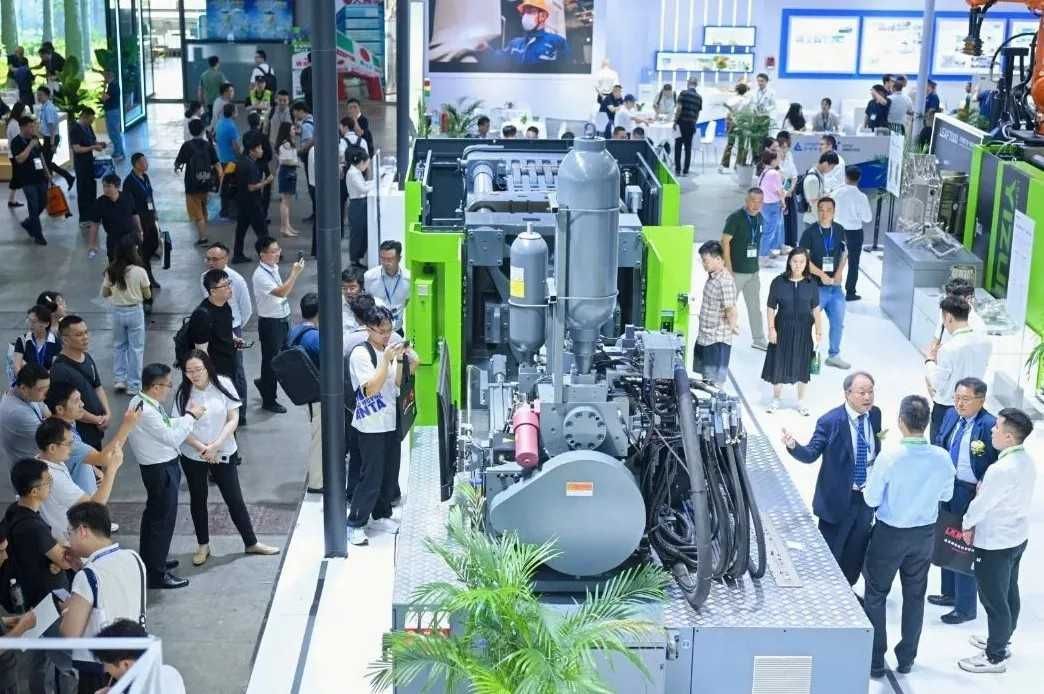
Magnesium-focused exhibitions provide a meeting point for different parts of the industry. These include raw material producers, alloy developers, component manufacturers, machinery manufacturers, researchers, and companies involved in downstream applications.
What Happens at a Magnesium Exhibition in China?
Exhibitions generally include product displays, technical presentations, industry discussions, and equipment demonstrations. Visitors can learn about magnesium ingots, alloy materials, cast components, processing machinery, and surface treatment methods.
The wider exhibition landscape also includes CHINA DIECASTING and CHINA NONFERROUS, which feature dedicated magnesium casting areas. These events demonstrate how magnesium materials connect with manufacturing equipment, tooling, component design, and finished industrial products.
The purpose is to exchange technical knowledge and explain developments across the magnesium production chain.
Why Is China Magnesium Expo Important for the Industry?
Magnesium has particular importance in manufacturing because it is a lightweight structural metal. Its relatively low density makes it relevant to industries that examine material weight, component design, and mechanical performance.
Which Industries Use Magnesium Products?
Several industrial sectors use magnesium and its alloys:
Automotive: Magnesium components are used in instrument panels, transmission housings, steering components, and selected structural parts.
Electronics: Magnesium alloys are used in laptop housings, camera bodies, electronic enclosures, and shielding components.
Aerospace: Selected magnesium alloys are used in components where weight and mechanical properties are important design considerations.
Transportation: Magnesium materials are explored for vehicle wheels, rail components, and other lightweight applications.
Industrial manufacturing: Magnesium is used in castings, machined components, and specialised engineering applications.
Chemical processing: Magnesium compounds are used in materials such as magnesium oxide, magnesium chloride, and magnesium hydroxide.
Why Do Manufacturers Explore Magnesium Alloys?
Magnesium alloys combine low density with useful mechanical and physical properties. Their suitability depends on alloy composition, manufacturing method, operating temperature, corrosion protection, and intended application.
For example, reducing the weight of selected vehicle components can influence overall vehicle design. In electronic equipment, magnesium alloy housings can provide structural support while limiting enclosure weight.
However, magnesium also presents engineering challenges. Corrosion protection, flammability during certain processing operations, material handling, and forming characteristics require appropriate technical controls.
Recent Developments in China's Magnesium Industry
China's magnesium industry is experiencing developments in alloy engineering, casting processes, lightweight manufacturing, and material recycling. Recent exhibitions and technical conferences have highlighted the relationship between material research and practical industrial applications.
What New Technologies Are Featured at China Magnesium Expo?
Magnesium China 2026 was scheduled for July 8–10 at the Shanghai New International Expo Centre. Its exhibition categories included primary magnesium products, magnesium alloys, semi-finished materials, finished components, smelting equipment, casting systems, and surface treatment technologies.
Other important technology areas include:
High-pressure die casting: Uses pressurised molten metal to produce components with defined shapes and dimensions.
Semi-solid forming: Processes magnesium alloys in a partially solid and partially liquid condition.
Advanced extrusion: Produces profiles and structural components by forcing heated material through a shaped opening.
Surface treatment: Uses coatings, oxidation, and passivation techniques to improve surface protection.
Intelligent manufacturing: Combines sensors, automated controls, and production monitoring systems.
How Are Magnesium Alloys Changing Manufacturing?
Material research increasingly focuses on improving magnesium alloys' formability, strength, corrosion resistance, and processing characteristics.
Recent developments include magnesium components for electric vehicles, electronic equipment, and lightweight structural applications. Research groups in China have also explored improved alloy compositions and semi-solid die-casting processes to expand manufacturing possibilities.
Another development is magnesium-based solid-state hydrogen storage research. Chinese industrial technology programmes have included this area in discussions about energy storage and carbon reduction.
What Were the Major Magnesium Exhibition Highlights in 2026?
CHINA DIECASTING and CHINA NONFERROUS 2026 took place in Shanghai during July. The programme included a dedicated magnesium casting area, technical discussions, casting equipment, and industry presentations.
The exhibition covered high-pressure casting, semi-solid forming, magnesium alloy components, tooling, and production systems. Its technical discussions also addressed safety, corrosion resistance, and manufacturing implementation.
These developments illustrate how exhibitions connect material science with industrial manufacturing requirements.
Magnesium Industry Laws and Policies in India
Indian businesses involved in magnesium imports, manufacturing, processing, or industrial use must understand the applicable regulatory framework. Requirements vary according to material composition, product classification, intended application, and handling conditions.
Which Indian Regulations Apply to Magnesium Products?
Several regulatory frameworks may be relevant:
Bureau of Indian Standards (BIS) Act, 2016: Establishes the framework for Indian standards, product certification, and mandatory quality requirements where applicable.
Foreign Trade Policy 2023: Provides the framework for India's import and export procedures, including applicable restrictions and authorisations.
Environment Protection Act, 1986: Provides the legal basis for environmental protection and hazardous chemical regulations.
Manufacture, Storage and Import of Hazardous Chemicals Rules, 1989: Establishes requirements for specified hazardous chemicals and industrial activities.
Occupational Safety, Health and Working Conditions Code, 2020: Addresses workplace health and safety, including responsibilities concerning machinery and hazardous industrial processes.
Not every magnesium product automatically requires BIS certification. Mandatory certification depends on whether the specific product is covered by an applicable Quality Control Order.
What Should Indian Importers Understand?
Importers handling magnesium materials from China should examine:
Product composition and material specifications.
Applicable customs classification and import documentation.
Relevant BIS standards and Quality Control Orders.
Safety documentation for powders and other reactive forms.
Packaging, transportation, storage, and handling requirements.
Applicable environmental and workplace regulations.
India's Directorate General of Trade Remedies has also examined magnesium imports under customs classifications 8104.11 and 8104.19 in trade remedy investigations. This illustrates the importance of checking current trade notifications and product classifications.
China Magnesium Expo Products and Technologies Compared
Magnesium exhibitions cover multiple stages of material production, processing, and industrial application. Understanding the differences between these categories helps explain what visitors can learn from the displays.
What Products Are Displayed at Magnesium Exhibitions?
Product category | Main characteristics | Industrial applications |
|---|---|---|
Primary magnesium | Refined magnesium metal and ingots | Alloy production and metallurgy |
Magnesium alloys | Magnesium combined with other metals | Automotive and electronics |
Magnesium powder | Finely processed magnesium particles | Metallurgy and specialised manufacturing |
Magnesium castings | Components produced through casting | Vehicle and machinery components |
Magnesium extrusions | Profiles formed through extrusion | Structural and engineering applications |
Magnesium plates | Flat processed magnesium materials | Industrial fabrication |
Magnesium chemicals | Magnesium oxide, chloride, and hydroxide | Construction and chemical processing |
Processing equipment | Smelting, casting, and forming machinery | Magnesium manufacturing |
What Is the Difference Between Magnesium and Magnesium Alloys?
Pure magnesium and magnesium alloys have different material characteristics and industrial uses.
Comparison point | Pure magnesium | Magnesium alloys |
|---|---|---|
Composition | Primarily magnesium | Magnesium combined with other elements |
Mechanical properties | Depends on purity and form | Modified through alloy composition |
Processing | Used in specific metallurgical processes | Suitable for various casting and forming processes |
Applications | Metallurgy and chemical production | Automotive, electronics, and engineering |
Material design | Limited by its individual properties | Can be adjusted for specific applications |
Common alloying elements include aluminium, zinc, manganese, and rare-earth elements. Their proportions influence strength, corrosion behaviour, casting characteristics, and temperature performance.
Tools and Resources for Understanding the Magnesium Industry
Technical information and research platforms help visitors understand magnesium materials, manufacturing processes, and industrial developments.
Which Websites and Platforms Provide Magnesium Industry Information?
Several resources are relevant:
Magnesium China: Provides exhibition information, product categories, and industry event details.
China Nonferrous Metals Industry Association: Publishes information about non-ferrous metal production and industry developments.
International Magnesium Society: Shares scientific research, technical publications, and conference information.
Shanghai Metals Market (SMM): Provides information about metal markets, production trends, and industry developments.
Bureau of Indian Standards: Provides Indian standards and certification information.
Directorate General of Trade Remedies: Publishes Indian trade remedy investigation documents and notifications.
India Code: Provides access to Indian legislation and regulatory documents.
What Technical Tools Help Understand Magnesium Manufacturing?
Different engineering tools support material evaluation and production planning.
Alloy composition calculators: Help calculate the proportions of different metals in an alloy.
Density calculators: Help compare material weight using density and volume measurements.
Casting simulation software: Helps analyse metal flow, solidification, and potential casting defects.
Material testing equipment: Measures hardness, tensile strength, elongation, and other mechanical properties.
Corrosion testing equipment: Evaluates material behaviour under specified environmental conditions.
Production monitoring systems: Record manufacturing parameters, equipment performance, and process conditions.
Technical results depend on material composition, testing methods, and operating conditions. Engineering standards and laboratory procedures are important when interpreting these measurements.
Frequently Asked Questions About China Magnesium Expo
1. What Is China Magnesium Expo?
China Magnesium Expo is a commonly used search term for magnesium-focused exhibitions in China, including Magnesium China, which covers materials, equipment, and manufacturing technologies.
2. What Products Are Displayed at China Magnesium Expo?
Exhibition categories include magnesium ingots, alloys, powders, castings, extrusions, plates, processing equipment, and surface treatment technologies.
3. Which Industries Use Magnesium Alloys?
Automotive, aerospace, electronics, transportation, and industrial manufacturing use magnesium alloys for selected lightweight components and engineering applications.
4. What Technologies Are Featured at China Magnesium Expo?
Common technologies include high-pressure die casting, semi-solid forming, extrusion, surface treatment, automated manufacturing, and magnesium processing equipment.
5. Where Is Magnesium China Exhibition Held?
Magnesium China 2026 was scheduled at the Shanghai New International Expo Centre in Shanghai, China, from July 8–10, 2026.
Conclusion
China Magnesium Expo represents an important part of China's magnesium exhibition and technical exchange landscape. These events cover raw materials, magnesium alloys, casting equipment, processing technologies, and applications across multiple industries. Recent developments focus on lightweight components, improved alloy properties, intelligent manufacturing, and material research. Understanding these areas provides a clearer picture of magnesium's role in modern industrial production.

Related Post...

Trading Broker Guide: Key Features Every Investor Should Understand
Updated: November 24, 2026
Read More
How Industrial Gas Valves Improve Flow Control and System Safety
Updated: November 21, 2026
Read More
Cruise Booking Tips: Discover Memorable Journeys Across the Seas
Updated: November 23, 2026
Read More