Capsule Filling Machines: Guide, Tips, Insights, Advice, and Expert Suggestions
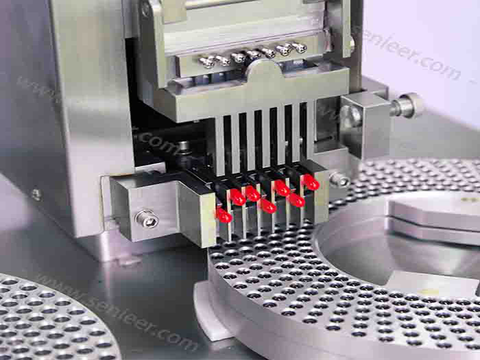
A capsule filling machine is industrial equipment designed to place measured materials into empty capsule shells and complete the capsule-closing process.
These machines are used in controlled production environments where consistency, repeatability, equipment cleanliness, and organized material handling are important.
Capsule filling systems can range from manually assisted equipment to highly automated production machines. The appropriate configuration depends on the material being processed, capsule dimensions, production requirements, machine configuration, and the desired level of automation.
The main purpose of a capsule filling machine is to provide a controlled and repeatable filling operation. Modern equipment can combine several stages, including capsule separation, material dosing, capsule joining, inspection, and output handling.
How Capsule Filling Systems Work
Although machine designs vary, the general operating sequence can include several stages.
A typical system may involve:
Empty capsule loading
Capsule separation
Capsule body and cap positioning
Material dosing
Fill-level monitoring
Capsule closing
Rejection of unsuitable units
Output collection
Cleaning and changeover
The dosing stage is particularly important because different materials can have different flow characteristics.
Particle size, density, moisture conditions, and material flow behavior may influence how consistently material moves through the dosing mechanism.
For this reason, equipment should be evaluated according to the characteristics of the intended material and production process.
Why Capsule Filling Equipment Matters
Capsule filling equipment can form an important part of an organized production line.
A suitable system can support:
Repeatable filling operations
Controlled material handling
Reduced manual handling
Consistent machine settings
Process monitoring
Production documentation
Organized changeovers
Integration with other production equipment
Equipment should also fit the wider production layout.
Material movement, cleaning areas, environmental controls, utilities, inspection stages, and packaging equipment can all influence the overall configuration.
Main Types of Capsule Filling Machines
Capsule filling machines can be categorized according to automation level, production capacity, dosing technology, and machine design.
| Machine Type | General Characteristics | Typical Environment |
|---|---|---|
| Manual | Greater operator involvement | Small-scale production or development |
| Semi-Automatic | Combines operator input with automated functions | Medium-scale environments |
| Automatic | Automates several production stages | Large production environments |
| High-Speed | Designed for continuous high-output operation | High-volume production |
| High-Capacity | Designed around larger production requirements | Industrial facilities |
| Specialized | Configured for particular materials or processes | Specialized applications |
Selecting equipment should be based on the requirements of the production process rather than on one specification alone.
Important Technical Features
When researching capsule filling machines, several technical characteristics can be considered.
Dosing Mechanism
Different machines use different dosing approaches.
Examples include:
Dosator systems
Tamping systems
Auger-based systems
Volumetric dosing systems
Specialized dosing mechanisms
The appropriate approach depends on the characteristics of the material and the required filling process.
Capsule Size Compatibility
Capsules are manufactured in different standardized dimensions.
A machine should therefore be compatible with the capsule formats required for the intended application.
Some machines can accommodate multiple capsule sizes, although changing between formats may require tooling adjustments and machine setup.
Machine Controls
Modern equipment may use digital control interfaces for monitoring machine operation.
Depending on the machine design, operators may be able to monitor:
Operating speed
Production count
Machine status
Filling parameters
Fault conditions
Rejection information
Maintenance indicators
Digital controls can make routine monitoring and documentation more organized.
High-Speed and High-Capacity Capsule Filling
A high speed capsule filling machine is designed for continuous production at comparatively high operating speeds.
A high capacity capsule filling machine is generally intended for environments where larger production volumes are required.
However, machine speed should not be considered in isolation.
Other factors include:
Material characteristics
Filling consistency
Changeover requirements
Cleaning procedures
Machine configuration
Inspection systems
Operating conditions
Maintenance requirements
Production monitoring
A machine with a high stated speed may not necessarily be the appropriate choice for every production environment.
Material and Capsule Considerations
The characteristics of the material being processed can influence machine configuration.
Important considerations include:
| Factor | General Importance |
|---|---|
| Particle size | Can influence material movement |
| Bulk density | May affect dosing behavior |
| Moisture conditions | Can influence handling characteristics |
| Flowability | May affect filling consistency |
| Capsule dimensions | Determine machine configuration |
| Fill quantity | Influences dosing setup |
| Material characteristics | May affect equipment selection |
These factors are particularly relevant when evaluating an industrial capsule filling machine.
Equipment should be matched to the actual process requirements rather than selected solely on advertised output.
Automation and Digital Manufacturing Trends
Automation continues to influence modern industrial production.
A contemporary automatic capsule filling machine may include sensors, digital controls, automated material handling, monitoring systems, and machine-status reporting.
Common technology features include:
Automated capsule handling
Digital control panels
Sensor-based monitoring
Automatic rejection mechanisms
Production data recording
Machine diagnostics
Process monitoring
Integration with related production equipment
Automation can reduce repetitive manual operations and support more organized production monitoring.
However, the appropriate level of automation depends on the production environment and operational requirements.
Recent Developments in India's Manufacturing Environment
India's industrial manufacturing environment continues to emphasize automation, technology adoption, production efficiency, and modernization.
Recent industry reporting indicates continued development across India's pharmaceutical manufacturing sector, with the broader market projected to expand significantly through 2030. Industry reports also highlight technology adoption and advanced manufacturing as important areas of development.
India's manufacturing and export environment has also experienced continued development, increasing interest in equipment that supports consistent production, monitoring, documentation, and process organization.
For machinery research, these developments are useful background information rather than an indication that one particular machine or technology is appropriate for every facility.
General Regulatory and Manufacturing Considerations in India
Industrial equipment used in regulated manufacturing environments may need to be considered alongside applicable rules, facility requirements, documentation practices, and quality procedures.
For organizations operating in regulated environments, relevant considerations can include:
Equipment suitability
Facility layout
Cleaning procedures
Material handling
Environmental controls
Equipment documentation
Maintenance procedures
Process controls
Record keeping
Personnel training
Indian regulatory requirements can change over time. Organizations should therefore consult current official government publications and applicable regulations rather than relying solely on general online summaries.
For Google Ads purposes, this article does not make a claim that any particular machine automatically meets a regulatory requirement or guarantees compliance.
Equipment Qualification and Documentation
Equipment qualification is an important consideration when machinery becomes part of a controlled manufacturing process.
Depending on the organization and production environment, documentation may address areas such as:
Equipment specifications
Installation records
Operating procedures
Maintenance records
Cleaning procedures
Calibration records
Performance documentation
Change-control records
The exact documentation required depends on the applicable operating environment and organizational procedures.
Good documentation can help organizations maintain a clear record of equipment configuration, operation, maintenance, and changes.
Practical Checklist for Evaluating Capsule Filling Equipment
Before selecting or configuring pharmaceutical capsule filling equipment, organizations can review the following technical factors:
Capsule sizes
Material characteristics
Required production scale
Dosing mechanism
Automation level
Operating speed
Fill-level monitoring
Cleaning requirements
Changeover procedures
Equipment documentation
Maintenance requirements
Safety features
Data-recording capabilities
Integration with other equipment
This checklist is intended as general research guidance. Actual equipment requirements depend on the specific production environment.
Useful Tools and Resources
Several resources can support research into capsule filling machinery.
Useful resources include:
Technical equipment manuals
Equipment specification sheets
Operating documentation
Maintenance records
Production monitoring records
Equipment qualification documents
Industry publications
Government regulatory publications
Manufacturing guidelines
Technical reference materials
When researching regulatory information in India, current government publications should be treated as the primary reference.
For technical equipment information, original equipment documentation can provide more precise specifications than general online articles.
High CPC Keyword Ideas
For SEO and advertising research, potentially relevant technical keywords include:
pharmaceutical capsule filling machine
pharmaceutical capsule filling machines
automatic capsule filling machine
pharmaceutical capsule filling equipment
high capacity capsule filling machine
high speed capsule filling machine
capsule filling machine
industrial capsule filling machine
pharmaceutical capsule production machine
automatic capsule production equipment
industrial capsule equipment
capsule production machinery
automated capsule filling equipment
capsule filling equipment
Keyword CPC values can change according to location, competition, search intent, and advertising platform. Current keyword-planning data should be used when evaluating advertising opportunities.
FAQs
What is a capsule filling machine?
A capsule filling machine is industrial equipment designed to place measured material into empty capsule shells and complete the capsule-closing process.
What is an automatic capsule filling machine?
An automatic capsule filling machine performs several capsule-handling and filling operations with limited manual intervention.
What is a high-speed capsule filling machine?
A high-speed capsule filling machine is designed for continuous operation at comparatively high production speeds. Actual operating performance depends on the equipment configuration and material being processed.
What factors should be considered when selecting capsule filling equipment?
Important factors include capsule dimensions, material characteristics, dosing technology, production requirements, automation, cleaning procedures, documentation, maintenance, and equipment integration.
Can capsule filling machines be integrated into automated production lines?
Some machine configurations can be integrated with related production and inspection equipment. Compatibility depends on the machine design, control system, layout, and requirements of the wider production line.
Conclusion
Capsule filling machines are specialized industrial systems designed to support controlled and repeatable capsule-filling operations.
Available configurations range from manually assisted systems to automated, high-speed production equipment. Differences can include dosing technology, automation, capsule compatibility, production capacity, control systems, and monitoring capabilities.
The most appropriate equipment depends on the characteristics of the intended production process. Important evaluation factors include material behavior, capsule dimensions, production requirements, machine configuration, cleaning, maintenance, documentation, and integration.
Automation and digital monitoring are also becoming increasingly relevant to modern industrial production. These technologies can support organized processes and production monitoring when appropriately configured.
For anyone researching capsule filling machinery, it is useful to compare the complete production requirements rather than focusing only on machine speed or a single technical specification.
Disclaimer
This article is provided for general informational and educational purposes only. It does not constitute professional, technical, regulatory, legal, medical, or other specialized advice. No specific machine, manufacturer, product, organization, or technology is recommended, endorsed, sold, or promoted through this article.
No guarantee or claim is made regarding equipment performance, suitability, regulatory status, production results, or operational outcomes. Readers should review current official requirements and consult appropriately qualified professionals when making technical or regulatory decisions.

Related Post...
Automatic Pouch Packing Machines: Explore Overview, Basics, Explanation, Knowledge, and Key Details
Updated: October 26, 2026
Read More
Heavy Duty Forklifts: Complete Guide to Basics, Technologies, Facts, Knowledge, and Best Practices
Updated: October 26, 2026
Read More