Business Insurance Brokerage Management Guide: Policy Administration, Renewal Workflows, Client Records, and Regulatory Oversight
Business insurance brokerages coordinate between commercial clients, insurers, underwriting teams, and other parties involved in arranging and maintaining insurance coverage. Their responsibilities can extend from understanding a client's risk profile and collecting underwriting information to coordinating policy documentation, monitoring renewals, maintaining records, and supporting claims-related communication.
As a brokerage grows, managing these activities through disconnected spreadsheets, email threads, and manual reminders can create operational challenges. Missing documents, inaccurate policy details, delayed renewal preparation, incomplete client records, or inconsistent regulatory procedures can affect both client relationships and internal controls.
A structured brokerage management framework brings these activities together. It establishes clear ownership, standardized workflows, reliable documentation, and oversight procedures that help teams maintain accurate records and manage policy obligations throughout the insurance lifecycle.
What Is Business Insurance Brokerage Management?
Business insurance brokerage management refers to the processes, systems, and controls used to operate a brokerage that handles commercial insurance accounts.
Depending on its authorization and business model, a brokerage may coordinate coverage for property, general liability, professional indemnity, cyber risk, marine cargo, commercial vehicles, directors and officers liability, employee-related risks, and other business exposures.
Core management activities typically include:
Client onboarding and risk information collection.
Insurance application coordination and insurer communication.
Policy issuance, document verification, and endorsements.
Renewal scheduling and coverage reviews.
Premium documentation and transaction reconciliation.
Claims notification coordination and follow-up.
Client record maintenance and data protection.
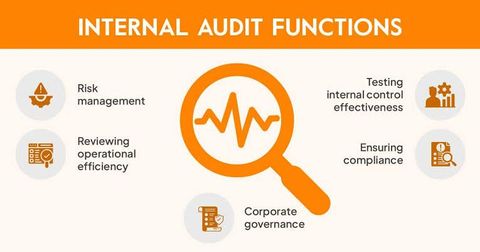
Regulatory compliance, complaint handling, and internal audits.
The exact responsibilities depend on the brokerage's regulatory permissions, contractual arrangements, jurisdiction, and relationship with insurers.
Why Effective Brokerage Management Matters
Consistent policy administration
Accurate policy records help teams verify coverage dates, insured entities, limits, deductibles, exclusions, endorsements, and other important details. These checks reduce the risk of relying on outdated or incomplete documentation.
Better renewal planning
Commercial policies often require information about changing operations, revenue, property values, employee numbers, claims history, or contractual exposures. Early preparation gives clients and insurers more time to review these changes before expiration.
Stronger client relationships
Clear communication, documented decisions, and timely follow-up help clients understand what information is needed and what remains unresolved. A consistent process also reduces the likelihood of missed commitments.
Improved operational oversight
Managers can use workflow dashboards, exception reports, and performance indicators to identify overdue tasks, incomplete files, pending endorsements, and renewal bottlenecks.
Regulatory readiness
Documented procedures and traceable records help a brokerage demonstrate how it handles client information, disclosures, complaints, policy documentation, and other applicable obligations.
Policy Administration: From Placement to Expiration
Policy administration covers the activities required to maintain an accurate record of an insurance policy throughout its active term.
1. Verify policy information
When policy documents are received, compare them with the approved placement details and relevant client instructions. Check:
Policyholder's legal name and insured entities.
Policy number and insurer details.
Effective date and expiration date.
Coverage limits, sublimits, and deductibles.
Covered locations, activities, assets, or territories.
Material exclusions, conditions, and endorsements.
Premium, applicable taxes, and payment terms.
Any warranties, reporting duties, or special conditions.
Discrepancies should be recorded and referred to the appropriate insurer or authorized representative for clarification or correction.
2. Maintain an endorsement register
An endorsement changes or supplements the terms of an existing policy. Examples may include changes to an insured address, an additional insured party, updated property values, or a revised coverage limit.
The brokerage should record the request date, reason, responsible person, insurer response, effective date, and final documentation. Teams should distinguish between a request that has been submitted and a change that has actually been confirmed.
3. Track policy obligations
Some policies require periodic declarations, incident notifications, inspections, updated schedules, or other information during the policy period.
Maintain a register of these requirements, with due dates, assigned owners, completion status, and evidence of submission. Where an obligation is unclear, seek clarification rather than assuming that a reminder or informal communication satisfies the policy terms.
4. Coordinate claims-related communication
A brokerage may help a client understand notification procedures, identify relevant policy documents, and coordinate communication with an insurer or claims representative.
Records should distinguish between an incident report, a formal claim notification, supporting documentation, and a coverage determination. The insurer's decision remains subject to the applicable policy wording and facts.
Renewal Workflows and Account Retention
Renewal management is one of the most important recurring processes in commercial brokerage operations. An effective workflow starts well before the policy's expiration date and continues until the renewal outcome is documented.
Establish a renewal calendar
Maintain a centralized calendar containing policy expiration dates, client review dates, underwriting submission deadlines, insurer response dates, and internal approval milestones.
Renewal lead times should reflect policy complexity. A straightforward policy may require a different preparation period from a large property, cyber, marine cargo, or directors and officers program.
Suggested renewal workflow
Stage 1: Early account review
Identify upcoming expirations and review the existing policy, previous renewal documents, open endorsements, outstanding client information, and known changes in business operations.
Stage 2: Client information collection
Request updated details relevant to underwriting. Depending on the coverage, this may include revenue, payroll, property schedules, vehicle lists, security controls, claims history, business locations, or changes in ownership.
Stage 3: Exposure assessment
Compare current information with the prior policy period. Identify material changes that may affect coverage requirements, underwriting questions, limits, deductibles, or policy conditions.
Stage 4: Insurer coordination
Prepare accurate submissions and track insurer questions, requests for additional information, quotations, and outstanding decisions. Maintain a record of what was submitted and when.
Stage 5: Coverage comparison
Compare proposed renewal terms with the existing policy, including limits, deductibles, exclusions, endorsements, conditions, and premium components. A lower premium alone does not establish that one policy is more suitable than another.
Stage 6: Client review and authorization
Explain relevant differences and document the client's instructions, subject to the brokerage's role and regulatory obligations. Confirm required approvals before proceeding with placement or binding activity.
Stage 7: Final documentation
Verify the issued documents, update the policy register, record the effective dates, and provide the relevant documentation through an appropriate channel.
Stage 8: Post-renewal review
Close outstanding tasks, record unresolved items, update the next renewal date, and document any process improvements identified during the renewal cycle.
Managing Renewal Exceptions
Renewals can become complicated when insurers request additional information, terms remain unresolved, or the client responds late.
A brokerage should maintain an exception register that records:
Policies approaching expiration without confirmed instructions.
Incomplete underwriting submissions.
Outstanding insurer quotations or decisions.
Material differences between proposed and existing coverage.
Pending endorsements or unresolved document discrepancies.
Cases requiring escalation to a manager or compliance officer.
Where a policy's continuation or replacement is uncertain, communicate the position clearly and promptly. Do not represent coverage as bound or uninterrupted unless that status has been confirmed by the appropriately authorized party.
Client Records and Document Governance
A reliable client record should provide an accurate, traceable history of the brokerage's activities and the client's insurance arrangements.
Essential client information
Depending on the account and applicable requirements, records may include:
Legal entity name, registered address, and relevant business details.
Authorized contacts and communication preferences.
Business activities, locations, assets, and declared exposures.
Current and historical policies.
Applications, underwriting submissions, and insurer correspondence.
Quotations, comparisons, instructions, and approvals.
Endorsements, claims-related records, and renewal documents.
Complaints, disclosures, and relevant compliance checks.
Record retention dates and access permissions.
Only collect information that is appropriate for the brokerage's legitimate activities and applicable legal obligations.
Establish a single source of truth
Use a centralized client management system or controlled record repository rather than relying on individual inboxes or local spreadsheets as the definitive record.
Each policy should have a unique reference linked to the correct client, insurer, effective period, and related documents. Historical records should remain distinguishable from current records to prevent staff from accidentally using superseded policy terms.
Apply access and version controls
Restrict sensitive files to authorized personnel. Maintain version history for important documents and record significant changes to policy details, client instructions, and workflow status.
When documents are replaced or corrected, retain the appropriate history in line with the organization's retention policy and legal obligations.
Protect confidential information
Brokerages may hold commercially sensitive information, financial records, personal details, claims documentation, and security-related information.
Controls should include appropriate authentication, role-based access, secure document transfer, backup arrangements, staff training, and a process for investigating suspected data incidents.
Insurer Coordination and Relationship Management
Brokerages often work with several insurers, each with its own underwriting requirements, documentation standards, response times, and escalation procedures.
A structured insurer register can record authorized contacts, relevant products, submission requirements, escalation channels, document delivery procedures, and important contractual arrangements.
Management can also monitor operational indicators such as:
Average time to receive an underwriting response.
Percentage of submissions returned for missing information.
Time taken to resolve policy documentation discrepancies.
Frequency of endorsement corrections.
Renewal cases completed before expiration.
Outstanding insurer queries by age and priority.
These indicators help identify workflow bottlenecks. They should be interpreted in context because response times and complexity can vary significantly by coverage type, insurer, and account size.
Regulatory Oversight and Compliance Controls
Insurance brokerage regulation varies by jurisdiction. Depending on where the brokerage operates, relevant requirements may cover licensing, authorized activities, client disclosures, handling of premiums, record retention, complaint procedures, conflicts of interest, data protection, and professional conduct.
Licensing and authorized activities
Maintain a record of the brokerage's applicable registrations, permissions, responsible individuals, and renewal dates. Ensure staff operate within their authorized roles and receive appropriate training.
Client disclosures and conflicts
Document disclosures required by applicable law and the brokerage's arrangements. Identify and manage conflicts of interest, including situations where remuneration, insurer relationships, or other interests could affect the handling of a client account.
Premium and financial controls
Where the brokerage is permitted to receive or handle client premiums, establish procedures for recording receipts, reconciling transactions, processing refunds where applicable, and safeguarding funds according to the relevant regulatory framework.
Complaint handling
Maintain a documented process for recording complaints, acknowledging them where required, assigning responsibility, investigating relevant facts, communicating outcomes, and tracking corrective action.
Record retention
Define retention periods by record category and jurisdiction. Apply appropriate legal holds when records must be preserved for a dispute, investigation, or other formal requirement. Avoid retaining information indefinitely without a documented basis.
Regulatory change monitoring
Assign responsibility for tracking relevant regulatory updates and assessing their operational impact. Maintain evidence of policy updates, staff communications, training, and implementation decisions.
India-Specific Considerations
Insurance intermediaries operating in India should determine which regulatory requirements apply to their particular legal structure, registration category, and activities.
The Insurance Regulatory and Development Authority of India (IRDAI) is the principal insurance regulator. Depending on the intermediary category and activity, relevant rules and regulations may address registration, conduct, disclosures, documentation, governance, and other operational obligations.
Brokerages should consult the latest applicable IRDAI regulations, circulars, directions, and official guidance rather than relying on outdated summaries. Requirements can differ among direct brokers, reinsurance brokers, composite brokers, and other categories of insurance intermediaries.
Where personal data is involved, organizations should also assess applicable Indian data protection and information technology requirements, including the Digital Personal Data Protection Act, 2023, and relevant rules or commencement provisions in force at the time. Applicability and implementation details should be confirmed with qualified compliance or legal advisers.
For firms operating across borders, additional rules may apply in each relevant jurisdiction.
Technology for Brokerage Management
Technology can improve the consistency and visibility of brokerage workflows, but the system should reflect the firm's actual processes and regulatory obligations.
Customer relationship management (CRM): Centralizes client contacts, account notes, communication history, and renewal tasks.
Policy administration software: Tracks policy details, effective dates, endorsements, insurer information, and coverage documentation.
Document management platforms: Organize policy files, applications, approvals, and correspondence with version control and access restrictions.
Workflow automation: Generates reminders, assigns tasks, escalates overdue items, and tracks completion of renewal stages.
Reporting dashboards: Help managers review renewal progress, incomplete records, outstanding tasks, and operational performance.
Security and audit tools: Support access reviews, activity logs, backup checks, and investigation of unusual account activity.
Before selecting a platform, assess integration with existing systems, data migration, permissions, reporting capabilities, audit trails, business continuity, and the provider's security practices.
Key Performance Indicators for Brokerage Management
A practical dashboard should combine operational efficiency with documentation quality and compliance.
| Indicator | What it helps measure |
|---|---|
| Renewal completion before expiration | Renewal workflow effectiveness |
| Incomplete client files | Record quality and outstanding documentation |
| Overdue endorsements | Policy administration backlog |
| Submission correction rate | Accuracy of underwriting information |
| Unresolved client complaints | Complaint management and escalation |
| Overdue compliance tasks | Regulatory workflow discipline |
| Policy data discrepancies | Quality of system records |
| Staff training completion | Readiness for assigned responsibilities |
Set targets based on the brokerage's size, account complexity, regulatory requirements, and historical performance. Avoid using one metric in isolation; a high renewal completion rate, for example, does not prove that the resulting coverage is appropriate or that all documentation is accurate.
Practical Implementation Checklist
Maintain an up-to-date client and policy register.
Verify policy documents against approved placement details.
Record endorsements and distinguish pending requests from confirmed changes.
Establish renewal milestones and escalation triggers.
Assign owners to outstanding client and insurer requests.
Document coverage comparisons and client instructions.
Maintain a controlled repository for policy and compliance records.
Apply role-based access and secure document handling.
Reconcile premium-related transactions where applicable.
Maintain complaint and regulatory obligation registers.
Review licensing, training, and regulatory change requirements.
Test backup, recovery, and incident response procedures.
Review performance indicators and correct recurring workflow failures.
Tools and Resources
Useful resources for designing a brokerage management framework include:
Official IRDAI publications and applicable intermediary regulations.
Relevant insurance policy wordings, endorsements, and underwriting requirements.
Client relationship and policy administration platforms.
Document retention and information security policies.
Compliance calendars, complaint registers, and renewal dashboards.
Internal audit procedures and documented staff training materials.
Qualified insurance compliance, legal, accounting, and cybersecurity professionals.
Use official regulatory sources and current policy documents when confirming obligations. A software platform or internal checklist can support compliance, but it does not replace the need to understand the applicable rules and contractual requirements.
Frequently Asked Questions
1. What is the main purpose of insurance brokerage management?
Its purpose is to coordinate client accounts, policy documentation, renewal activities, insurer communication, records, and regulatory responsibilities through consistent workflows and appropriate controls.
2. How early should a brokerage begin renewal preparation?
The timeline depends on policy complexity, underwriting requirements, and the client's circumstances. A brokerage should establish a documented lead time that allows for updated information, risk review, insurer discussions, comparison of terms, client authorization, and final documentation before expiration.
3. What records should a commercial insurance brokerage retain?
Relevant records may include client details, policy documents, underwriting submissions, insurer correspondence, quotations, client instructions, approvals, endorsements, claims-related communications, complaint records, and evidence of required disclosures. The exact scope and retention period depend on applicable law and business activities.
4. How can a brokerage reduce policy administration errors?
Use standardized checklists, centralized policy records, controlled templates, independent verification, access restrictions, automated reminders, and documented correction procedures. Staff should distinguish between requested changes and confirmed policy amendments.
5. Which regulations apply to insurance brokerages in India?
Applicable requirements depend on the intermediary's registration category, activities, and circumstances. IRDAI regulations and directions are key references, while data protection and other legal requirements may also apply. Brokerages should verify current obligations with official sources and qualified advisers.
Conclusion
Effective business insurance brokerage management depends on accurate policy administration, planned renewal workflows, complete client records, reliable insurer coordination, and consistent regulatory oversight.
A centralized record system, clear task ownership, documented approvals, and timely escalation can reduce avoidable administrative errors and improve visibility across the policy lifecycle. Regular reviews of operational indicators and regulatory changes help the brokerage refine its processes as its portfolio grows.
The strongest framework combines appropriate technology with trained personnel, clear accountability, and careful attention to policy wording and applicable law.

Related Post...