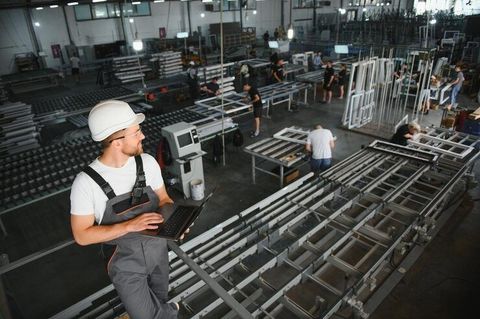
The need for bottle filling machines developed as production volumes increased and manual filling became inefficient. Early methods relied on hand-operated processes, which were time-consuming and less consistent. Over time, advancements in industrial filling equipment introduced automated systems that improved accuracy and speed.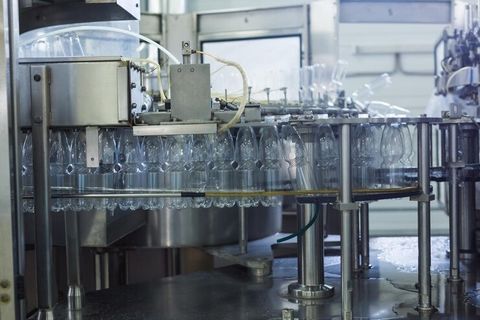
Today, bottle filling machines are widely used in both small-scale and large-scale production environments. Understanding the types of bottle filling machines and how the bottle filling machine working process functions helps explain their role in modern manufacturing systems.
Importance
Bottle filling machines are important because they help maintain consistency, efficiency, and hygiene during the packaging process. Accurate filling ensures that each container holds the correct quantity, which is important for product quality and standardization.
These machines affect multiple sectors:
- Food and beverage industries rely on liquid filling machines for packaging drinks, oils, and sauces
- Pharmaceutical production uses precise filling systems for syrups and liquid formulations
- Cosmetic manufacturing depends on controlled filling for lotions and liquid products
The use of automatic bottle filling machines reduces manual effort and improves production speed. At the same time, manual bottle filling machines are still relevant for small-scale operations where flexibility is required.
Bottle filling systems also help address challenges such as product wastage, uneven filling, and contamination risks by providing controlled and repeatable processes.
Types of Bottle Filling Machines
There are different types of bottle filling machines, each designed for specific applications and product characteristics.
Gravity Filling Machines
These machines use gravity to fill liquids into containers. The liquid flows naturally from a reservoir into the bottle.
- Suitable for low-viscosity liquids such as water or juices
- Simple design and operation
Piston Filling Machines
Piston filling machines use a piston mechanism to draw and dispense liquid into bottles.
- Suitable for thicker liquids like creams or sauces
- Provides accurate volume control
Vacuum Filling Machines
These machines use vacuum pressure to pull liquid into containers.
- Used for delicate or foamy liquids
- Helps maintain consistent fill levels
Overflow Filling Machines
Overflow systems fill bottles to a specific level, ensuring uniform appearance.
- Common in beverage and cosmetic packaging
- Maintains consistent visual fill height
Pressure Filling Machines
These machines use pressure to fill carbonated or pressurized liquids.
- Used for beverages such as soft drinks
- Designed to handle internal pressure safely
Bottle Filling Machine Working
Understanding bottle filling machine working involves looking at how different components operate together in a filling machine process.
Basic Working Steps
The filling process generally includes:
- Container placement where empty bottles are positioned on a conveyor
- Filling stage where liquid is dispensed into bottles using a selected method
- Level control to ensure consistent filling quantity
- Sealing or capping after filling is completed
Key Components
Bottle filling machines include several essential parts:
- Storage tank that holds the liquid product
- Filling nozzles that control liquid flow
- Conveyor system that moves bottles through stages
- Control panel that manages operations
These components form a complete bottle filling system that ensures smooth and consistent operation.
Comparison of Bottle Filling Machine Types
| Machine Type | Working Method | Suitable Liquid Type | Application Area |
|---|---|---|---|
| Gravity | Natural flow | Low-viscosity liquids | Water, juices |
| Piston | Mechanical displacement | Thick liquids | Sauces, creams |
| Vacuum | Suction-based | Foamy or delicate liquids | Specialty liquids |
| Overflow | Level-based filling | Transparent liquids | Beverages, cosmetics |
| Pressure | Pressurized filling | Carbonated liquids | Soft drinks |
Recent Updates
Bottle filling machines have seen several developments in recent years, particularly in automation and digital integration. Many modern systems now include sensors and control software that improve accuracy and reduce errors.
Automatic bottle filling machines are increasingly designed with smart features such as real-time monitoring and adjustable settings. These features allow manufacturers to adapt quickly to different product requirements.
Another trend is the focus on hygiene and safety. Improved designs now support easier cleaning and reduce contamination risks, especially in industries handling consumable products.
Sustainability is also influencing packaging machinery, with systems designed to minimize waste and improve efficiency during the filling machine process.
Laws or Policies
Bottle filling machines are subject to regulations that ensure safety, hygiene, and quality in production environments.
Safety Regulations
Machines must meet safety standards to protect operators and ensure proper functioning. This includes safeguards for moving parts and pressure systems.
Hygiene Standards
In industries such as food and pharmaceuticals, strict hygiene requirements apply. Equipment must be designed for easy cleaning and contamination control.
Compliance Requirements
Industrial filling equipment must follow manufacturing guidelines and quality standards set by regulatory authorities. These rules help maintain consistency across production processes.
These policies ensure that bottle filling systems operate safely and meet required standards.
Tools and Resources
Several tools and resources support the understanding and operation of bottle filling machines.
Process Monitoring Systems
Digital systems help track filling accuracy, speed, and machine performance.
Volume Calculation Tools
These tools assist in determining correct fill quantities based on container size and product type.
Maintenance Checklists
Structured checklists help ensure regular inspection and proper functioning of equipment.
Technical Documentation
Manuals and guides explain machine setup, operation, and troubleshooting for different types of bottle filling machines.
These resources help improve efficiency and support proper handling of packaging machinery.
FAQs
What are bottle filling machines used for?
Bottle filling machines are used to fill liquids into containers accurately and efficiently as part of the packaging process.
What are the main types of bottle filling machines?
The main types of bottle filling machines include gravity, piston, vacuum, overflow, and pressure-based systems, each suited for different liquid types.
How does bottle filling machine working process function?
The bottle filling machine working process involves placing containers, filling them with liquid, controlling the level, and sealing them.
What is the difference between manual and automatic bottle filling machines?
Manual bottle filling machines require human operation, while automatic bottle filling machines perform tasks with minimal manual input and higher speed.
Where are liquid filling machines commonly used?
Liquid filling machines are commonly used in food, beverage, pharmaceutical, and cosmetic industries for packaging products.
Conclusion
Bottle filling machines are essential components of modern packaging systems, designed to improve efficiency and consistency in liquid handling. Different types of bottle filling machines are used depending on the nature of the product and production scale. Understanding bottle filling machine working and the overall filling machine process helps clarify their role in industrial operations. As technology advances, these systems continue to evolve to meet changing production needs.