The purpose of a bottle filling machine is to ensure accurate, consistent, and efficient filling of products into bottles or similar containers. They are designed to handle various viscosities, bottle sizes, and production capacities, making them essential in both small-scale and industrial operations.
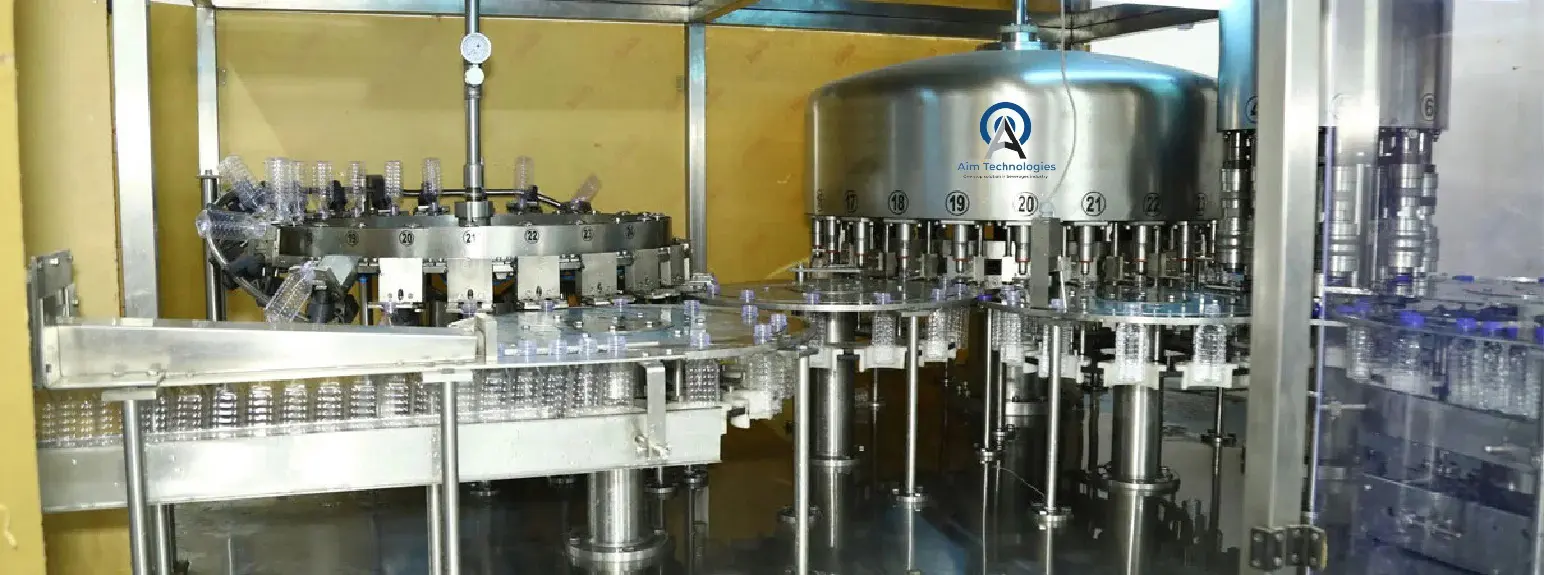
These machines reduce manual labor, increase output, and maintain hygiene standards, making them a central part of modern packaging lines.
Why Bottle Filling Machines Matter
Efficiency and Speed
As consumer demand and product diversity increase, businesses must scale operations while maintaining consistency. Bottle filling machines help:
Automate repetitive processes
Maintain filling accuracy and speed
Reduce product spillage and waste
Who Uses Them?
Bottle filling machines are used by:
Small businesses bottling homemade sauces or cosmetics
Large-scale beverage companies producing thousands of units per hour
Pharmaceutical manufacturers needing precise dosing
Chemical and industrial product packagers
Common Problems Solved
Inconsistency in fill levels caused by manual pouring
Increased labor costs with hand-filling operations
Cross-contamination risks in food and pharmaceutical products
Slow production rates when scaling a growing business
By implementing the right type of filling machine, manufacturers improve product presentation, safety, and regulatory compliance.
Recent Trends and Developments
Automation and Smart Controls
Modern filling machines increasingly feature:
PLC (Programmable Logic Controller) systems that allow precise control over filling speeds and quantities
Touchscreen interfaces for easier operation and customization
Remote diagnostics for real-time troubleshooting and support
These features are becoming standard in 2025, especially for high-capacity or export-focused industries.
Integration with Packaging Lines
In recent years, many manufacturers have adopted integrated filling, capping, and labeling systems, making production lines faster and more cohesive. This trend continued strongly through 2024 and into 2025 as companies look for compact and unified solutions.
Sustainable Practices
There is growing demand for waste reduction and energy efficiency in packaging machinery. New machines are being built with:
Recyclable parts
Energy-saving motors
Clean-in-place (CIP) technology that reduces water and chemical use
These updates are in response to both cost-saving needs and environmental regulations.
Legal and Regulatory Considerations
Bottle filling machines are subject to various safety, hygiene, and compliance regulations depending on their industry and geographic location.
Food and Beverage Industry
Machines must comply with Good Manufacturing Practices (GMP) and Hazard Analysis and Critical Control Points (HACCP) standards. Stainless steel construction and hygienic design are often required.
In the U.S., food-grade filling machines must meet FDA (Food and Drug Administration) standards. In Europe, EU regulations such as EC No. 1935/2004 apply.
Pharmaceutical Industry
Pharmaceutical fillers must meet stringent regulations including:
cGMP (current Good Manufacturing Practice)
US FDA regulations
21 CFR Part 11 for electronic records and validation
Machines often require sterilization capabilities and must prevent cross-contamination.
Labeling and Measurement Laws
In many regions, laws dictate the accuracy of product volume labeling. National standards, such as the Weights and Measures Act in the UK or Legal Metrology rules in India, require that machines provide precise fill volumes.
Workplace Safety
Operators must be trained to follow machine safety protocols. Filling machines often need:
Emergency stop buttons
Lock-out/tag-out systems
Clear safety markings
Occupational health and safety agencies like OSHA (Occupational Safety and Health Administration) often set the standards.
Tools and Resources for Bottle Filling
To support users at every level, there are various tools and services available for choosing, operating, and maintaining bottle filling machines.
Online Tools and Calculators
Filling Speed Calculator – Helps determine the right machine speed for your production needs.
Volume-to-Container Converter – Estimates how many bottles are needed based on product quantity.
Educational Resources
- Packaging Machinery Manufacturers Institute (PMMI)
Offers training, standards, and webinars on modern packaging equipment.
- YouTube Channels like Frain Industries or All-Fill Inc.
Provide visual demos of different types of filling machines.
- Manufacturers' Websites
Many offer manuals, configuration tools, and setup guides.
Maintenance Support
- CMMS (Computerized Maintenance Management Systems)
Apps like UpKeep or Fiix can be used to track service schedules and replacement parts.
- OEM Spare Parts Services
Most machine makers offer dedicated portals for parts and support.
Common Questions About Bottle Filling Machines
What are the main types of bottle filling machines?
There are several types depending on the product type:
| Machine Type | Best For |
|---|---|
| Gravity Fillers | Thin liquids like water and juice |
| Piston Fillers | Thick products like sauces and creams |
| Overflow Fillers | Foamy products like soap or shampoo |
| Pump Fillers | Variable viscosity and fragile liquids |
| Vacuum Fillers | Perfumes and glass bottle liquids |
| Auger Fillers | Dry powders like spices or supplements |
Each type uses a different mechanism to fill the product accurately and efficiently.
How do I know which machine is right for my product?
The selection depends on:
-
Viscosity (thickness) of your product
-
Container size and shape
-
Desired speed of production
-
Budget and available space
-
Regulatory needs (e.g., food-grade materials)
Working with a technician or using an online configuration tool can help determine the best fit.
Do I need a fully automatic machine?
Not necessarily. Small-scale producers often start with semi-automatic machines, which require manual bottle placement but automate filling. As production grows, many upgrade to fully automatic systems that include bottle feeding, filling, capping, and labeling.
How accurate are filling machines?
Modern machines offer high precision, with some achieving accuracy of ±0.5% or better, depending on the product and setup. Accuracy depends on calibration, maintenance, and environmental conditions.
What kind of maintenance do they need?
Regular tasks include:
-
Cleaning nozzles and tanks to prevent contamination
-
Checking seals and valves for leaks
-
Replacing worn parts such as gaskets or sensors
-
Lubricating mechanical components
Following a weekly and monthly maintenance schedule ensures reliability and compliance with safety and hygiene standards.
Final Thoughts
Bottle filling machines play a vital role in ensuring efficient, safe, and consistent packaging across industries. Whether you're bottling water, shampoo, or medicine, understanding how these machines work — and selecting the right one is essential for productivity and regulatory compliance.
With recent trends in automation, sustainability, and digital control, the future of bottle filling is becoming smarter and more efficient. From small business setups to large industrial plants, filling machines help bridge the gap between production and delivery.
Understanding the basics allows beginners to make informed decisions and operate these machines safely and effectively. Starting with the right tools, knowledge, and safety practices can make all the difference in long-term performance.