Boiler Maintenance Tips: Discover Smart Maintenance Knowledge
Boiler maintenance plays an important role in keeping heating systems operating safely and efficiently.
Whether used in homes, commercial buildings, or industrial facilities, boilers require regular attention to reduce wear, improve performance, and support reliable operation over time. Understanding boiler maintenance tips helps users recognize routine tasks and identify when professional inspection may be needed.
Learning smart maintenance knowledge also helps people understand how boilers work and why preventive care matters. Simple checks, scheduled inspections, and proper record keeping can contribute to better system reliability while supporting energy efficiency and equipment longevity.
Context
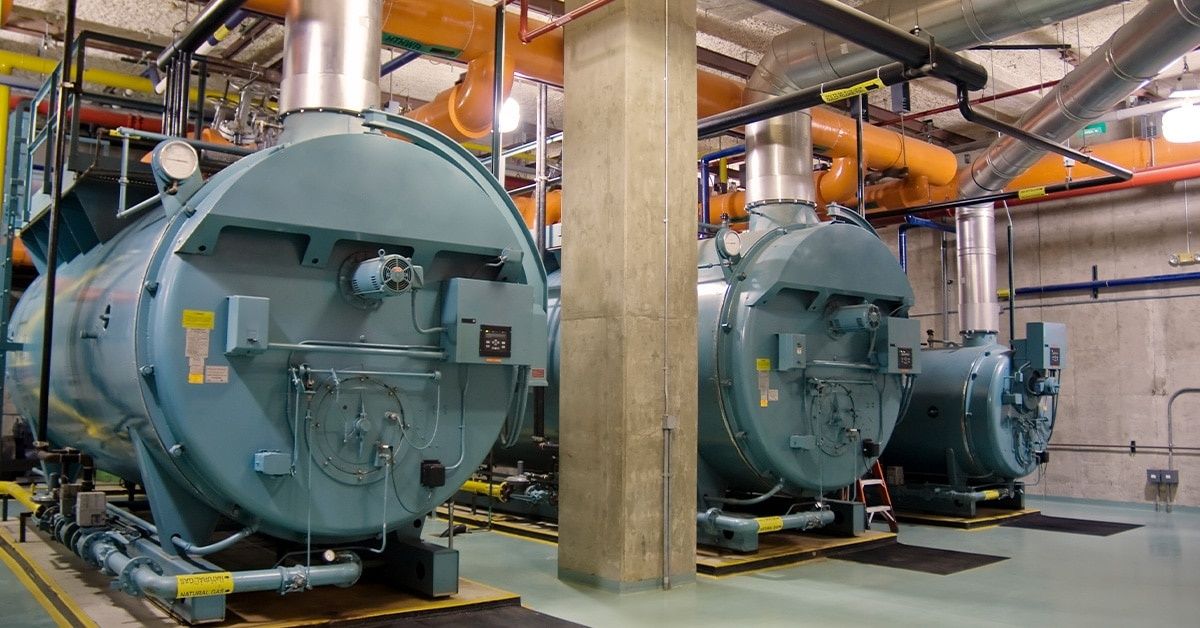
Boiler maintenance refers to the routine inspection, cleaning, testing, and monitoring of boiler systems to ensure they operate safely and effectively. Boilers generate heat by transferring energy to water or steam, making them an essential part of many residential, commercial, and industrial environments.
The purpose of boiler maintenance is to identify potential problems before they become major issues. Preventive maintenance includes examining components, monitoring operating conditions, and following manufacturer recommendations throughout the equipment's operating life.
Boiler systems may include:
- Steam boilers
- Hot water boilers
- Condensing boilers
- Electric boilers
- Industrial process boilers
Regular maintenance supports safe operation while helping equipment continue performing according to its intended design.
Common Boiler Components
| Component | Purpose | Routine Check |
|---|---|---|
| Burner | Produces heat | Inspect flame condition and cleanliness |
| Heat Exchanger | Transfers heat to water | Check for deposits or corrosion |
| Pressure Gauge | Displays operating pressure | Verify accurate readings |
| Safety Valve | Releases excess pressure | Test according to maintenance schedule |
| Water Level Indicator | Shows water level | Confirm proper operation |
| Pump | Circulates water | Inspect for vibration or unusual noise |
Importance
Boiler maintenance is important because boilers operate under pressure and high temperatures. Regular inspections help identify wear, leaks, corrosion, or performance changes before they affect system operation.
Different groups benefit from proper boiler maintenance knowledge, including:
- Homeowners maintaining residential heating systems
- Facility managers responsible for building operations
- Manufacturing plants using steam processes
- Educational institutions with central heating systems
- Healthcare facilities operating essential heating equipment
Routine maintenance can contribute to:
- Improved operational efficiency
- Better energy utilization
- Reduced unexpected equipment downtime
- Longer equipment lifespan
- Improved safety awareness
- Better compliance with maintenance schedules
Maintenance records also provide valuable historical information that helps technicians monitor equipment condition and identify recurring patterns.
Recent Updates
Between 2024 and 2026, boiler maintenance has continued evolving with digital technologies and improved monitoring practices. Modern systems increasingly include sensors that collect operating data and provide maintenance insights.
Some notable developments include:
- Smart monitoring systems capable of tracking temperature, pressure, and efficiency.
- Predictive maintenance using sensor data to identify early signs of equipment wear.
- Increased adoption of remote monitoring for commercial and industrial facilities.
- Improved water treatment monitoring to reduce scaling and corrosion.
- Greater emphasis on energy efficiency as organizations seek lower environmental impact.
- Integration of maintenance software with facility management platforms.
Smart Maintenance Practices
Modern boiler maintenance increasingly includes digital tools that assist with:
- Recording inspection history
- Scheduling preventive maintenance
- Monitoring operating trends
- Tracking efficiency indicators
- Managing maintenance documentation
These developments support informed maintenance decisions while improving equipment management.
Laws or Policies
Boiler operation is regulated in many countries through safety standards, inspection requirements, and environmental regulations. Specific requirements vary depending on the country, state, or local authority.
Common regulatory areas include:
- Boiler pressure vessel safety standards
- Occupational workplace safety regulations
- Environmental emission requirements
- Building and mechanical codes
- Periodic inspection requirements
- Operator training requirements in certain industries
Many organizations also follow internationally recognized standards published by engineering and standards organizations. Equipment manufacturers typically provide maintenance schedules that should be followed alongside applicable regulations.
Before performing maintenance, users should always consult:
- Local government regulations
- Manufacturer documentation
- Facility safety procedures
- Qualified inspection authorities where required
Following applicable regulations supports safer operation and proper equipment management.
Tools and Resources
Various tools and resources help users understand boiler maintenance and maintain accurate documentation.
Useful resources include:
- Manufacturer maintenance manuals
- Digital maintenance log templates
- Energy efficiency assessment tools
- Water quality testing guidance
- Preventive maintenance checklists
- Equipment inspection records
Helpful online resources include:
| Resource Type | Purpose |
| Government safety websites | Boiler safety guidance and regulations |
| Manufacturer documentation | Equipment specifications and maintenance schedules |
| Building code references | Mechanical code requirements |
| Facility management software | Maintenance scheduling and record keeping |
| Energy efficiency resources | Guidance on improving system performance |
Simple maintenance checklists often include:
- Inspect visible piping
- Check pressure readings
- Monitor water level
- Examine insulation condition
- Observe burner operation
- Review maintenance records
- Confirm safety device condition
These resources help organize maintenance activities while supporting consistent documentation.
FAQs
What are boiler maintenance tips for beginners?
Basic boiler maintenance tips include monitoring pressure, checking for visible leaks, keeping the surrounding area clean, reviewing manufacturer instructions, and scheduling routine inspections according to recommended intervals.
How often should a boiler be inspected?
Inspection frequency depends on boiler type, usage, manufacturer recommendations, and local regulations. Residential and industrial systems may have different maintenance schedules.
Why is water quality important in boiler maintenance?
Poor water quality can contribute to scaling, corrosion, and reduced heat transfer efficiency. Proper water treatment helps maintain system performance and equipment condition.
Can smart monitoring improve boiler maintenance?
Yes. Smart monitoring systems provide operational data that helps detect performance changes, supports preventive maintenance planning, and improves maintenance record accuracy.
What information should be recorded during maintenance?
Maintenance records typically include inspection dates, operating pressure, temperature readings, completed maintenance tasks, component observations, and any corrective actions taken.
Conclusion
Boiler maintenance is an essential part of operating heating systems safely and efficiently. Understanding smart maintenance knowledge helps users recognize routine inspection needs, monitor equipment condition, and support long-term system reliability.
As digital monitoring technologies continue to develop, maintenance practices are becoming more data-driven and organized. Combining preventive maintenance, accurate documentation, and compliance with applicable regulations supports informed equipment management.
Regular attention to boiler condition, supported by reliable resources and scheduled inspections, contributes to dependable operation throughout the equipment's lifecycle.

Related Post...

Explore Electronics Manufacturing Machinery: Guide to Equipment and Processes
Updated: September 22, 2026
Read More
Coursera Guide: Explore Online Courses, Learning Paths, Skills, and Certificates
Updated: October 03, 2026
Read More