The development of vinyl flooring began as an alternative to traditional materials that required more maintenance or were less resistant to moisture. Over time, improvements in manufacturing have led to more advanced options such as luxury vinyl flooring, which combines layered construction with realistic surface textures.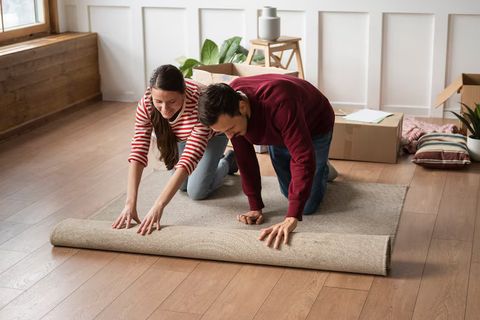
Today, vinyl flooring is used in homes, offices, and commercial spaces. Understanding types of vinyl flooring and how they function helps explain why this material has become a common choice in modern interiors.
Importance
Vinyl flooring is important because it addresses several practical challenges related to flooring materials. It offers a balance between durability, ease of maintenance, and adaptability to different environments.
Many households prefer waterproof flooring options in areas such as kitchens and bathrooms where moisture exposure is common. Vinyl flooring meets this requirement by resisting water damage and maintaining structural integrity.
It also supports everyday needs through:
- Ease of cleaning, which reduces time spent on maintenance
- Compatibility with various interior styles, allowing design flexibility
- Comfort underfoot compared to harder surfaces
- Suitability for high-traffic areas due to wear resistance
These factors make vinyl flooring relevant for a wide range of users, from homeowners to facility managers.
Types of Vinyl Flooring
Understanding the types of vinyl flooring helps in identifying suitable options for different spaces.
Sheet Vinyl Flooring
Sheet vinyl comes in large, continuous rolls. It is often used in areas where minimizing seams is important.
- Suitable for moisture-prone spaces
- Provides a smooth and consistent surface
Vinyl Tile Flooring
Vinyl tile flooring is designed in square pieces that resemble ceramic tiles. It allows for flexible layout patterns.
- Easier to replace individual sections
- Common in kitchens and utility areas
Vinyl Plank Flooring
Vinyl plank flooring is created to replicate the appearance of hardwood flooring. It is available in various lengths and textures.
- Mimics natural wood patterns
- Suitable for living rooms and bedrooms
Luxury Vinyl Flooring
Luxury vinyl flooring includes both planks and tiles with enhanced design layers. It offers improved texture and durability.
- Realistic surface appearance
- Multi-layer construction for added strength
Vinyl Flooring Installation
Vinyl flooring installation methods vary depending on the type of product and subfloor conditions.
Common Installation Methods
- Glue-down method involves adhesive application for stable placement
- Click-lock system uses interlocking edges for easy assembly
- Loose lay method relies on weight and friction to keep flooring in place
Preparation Steps
Proper preparation ensures better results:
- Surface leveling to avoid uneven placement
- Cleaning the subfloor to remove dust and debris
- Measuring the area accurately before installation
These steps contribute to effective vinyl flooring installation and long-term performance.
Vinyl Flooring Benefits
Vinyl flooring benefits are often linked to its material properties and versatility.
Key Advantages
- Moisture resistance supports use in wet areas
- Durability helps withstand regular foot traffic
- Variety of designs allows customization of spaces
- Lower maintenance requirements compared to some traditional materials
These benefits make vinyl flooring a practical option for both residential and commercial environments.
Comparison of Vinyl Flooring Types
| Type | Structure | Common Use Area | Key Feature |
|---|---|---|---|
| Sheet Vinyl | Continuous roll | Bathrooms, kitchens | Minimal seams |
| Vinyl Tile Flooring | Square tiles | Utility spaces | Flexible layout |
| Vinyl Plank Flooring | Long planks | Living areas | Wood-like appearance |
| Luxury Vinyl Flooring | Multi-layered | Various spaces | Enhanced durability |
Recent Updates
Recent trends in vinyl flooring focus on improved design realism and environmental considerations. Manufacturers are developing products with textures that closely resemble natural materials, making luxury vinyl flooring more visually detailed.
There is also a shift toward sustainable production methods, including reduced emissions during manufacturing and the use of recyclable materials. Digital design technology has made it possible to create more varied vinyl flooring styles with consistent quality.
Additionally, waterproof flooring solutions continue to evolve, with better locking systems and enhanced wear layers improving performance in high-moisture environments.
Laws or Policies
Vinyl flooring is influenced by regulations related to safety, indoor air quality, and environmental standards.
Material Safety Standards
Products must meet guidelines for chemical emissions to ensure safe indoor use. These standards help maintain acceptable air quality levels.
Environmental Regulations
Manufacturing processes may be regulated to reduce environmental impact. This includes managing waste and emissions during production.
Building Codes
Installation practices may need to follow local building codes, especially in commercial or multi-unit residential settings. These rules ensure proper use and safety.
Tools and Resources
Several tools and resources assist in understanding and working with vinyl flooring.
Measurement Tools
- Floor area calculators help estimate material requirements
- Layout planners assist in visualizing installation patterns
Installation Guides
- Step-by-step manuals explain vinyl flooring installation methods
- Video tutorials demonstrate preparation and placement techniques
Maintenance Checklists
- Cleaning schedules help maintain appearance and durability
- Inspection lists identify wear and potential issues
Design Resources
- Style guides provide ideas for vinyl flooring styles
- Sample comparison charts help understand material differences
FAQs
What is vinyl flooring and how does it work?
Vinyl flooring is a synthetic flooring material designed to provide durability and moisture resistance. It works by using layered construction to create a stable and protective surface.
What are the types of vinyl flooring available?
Common types of vinyl flooring include sheet vinyl, vinyl tile flooring, vinyl plank flooring, and luxury vinyl flooring, each suited for different spaces.
Is vinyl flooring suitable for waterproof flooring needs?
Vinyl flooring is widely used as waterproof flooring because it resists moisture and maintains its structure in damp environments.
How does vinyl flooring installation work?
Vinyl flooring installation can involve glue-down, click-lock, or loose lay methods, depending on the product type and subfloor condition.
What are common vinyl flooring benefits?
Vinyl flooring benefits include durability, ease of maintenance, design variety, and resistance to moisture.
Conclusion
Vinyl flooring is a versatile and practical material used in a variety of indoor environments. Different types of vinyl flooring provide options for design, durability, and installation methods. Understanding vinyl flooring benefits and installation processes helps clarify its role in modern interiors. As materials and technology continue to evolve, vinyl flooring remains a widely used solution for functional and adaptable spaces.