The slitting process developed alongside the growth of mass production, where handling large rolls of material became more efficient than working with smaller sheets. By using slitting machines, industries can convert bulk materials into standardized forms suitable for further use.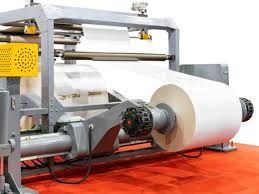
Today, industrial slitting equipment is widely applied across multiple sectors. Understanding how slitting machines work and their role in material processing helps explain their importance in modern production systems.
Importance
Slitting machines play a critical role in industries that rely on precise material sizing. Without these systems, converting large rolls into usable formats would require more time and manual effort.
The importance of slitting machine applications can be seen in everyday products. Items such as packaging materials, metal strips, and printed paper products all depend on accurate cutting processes.
These machines address several practical challenges. They improve efficiency by handling large volumes of material, ensure consistency in width and quality, and reduce waste by optimizing material usage. As a result, slitting machine uses are closely tied to productivity and quality control in manufacturing.
Types of Slitting Machines
Different types of slitting machines are designed based on the material being processed and the cutting method used.
Razor Slitting Machines
Razor slitting machines use sharp blades to cut thin materials. They are commonly used for paper slitting machine and plastic slitting machine operations.
- Suitable for lightweight materials
- Provides clean and precise cuts
- Often used in packaging industries
Shear Slitting Machines
Shear slitting machines use two rotating blades that work like scissors.
- Common in metal slitting machine operations
- Suitable for thicker and stronger materials
- Provides high accuracy and durability
Crush Cut Slitting Machines
Crush cutting uses pressure to cut materials against a hard surface.
- Used for softer materials
- Suitable for high-speed production
- Often applied in paper processing
Each type of slitting machine is selected based on the material type and production requirements.
How Slitting Machines Work
Understanding how slitting machines work helps clarify their role in industrial processes.
Basic Slitting Process
The slitting process generally involves the following steps:
- Unwinding: A large roll of material is fed into the machine
- Cutting: The material passes through blades that cut it into narrower strips
- Rewinding: The cut strips are rolled into smaller coils
This process allows for continuous operation and efficient material handling.
Key Components
Slitting machines include several essential parts:
- Unwinding unit for feeding material
- Slitting section with blades or cutters
- Rewinding unit for collecting finished strips
- Tension control system to maintain consistent material flow
These components work together to ensure smooth and accurate cutting.
Slitting Machine Applications
Slitting machine applications vary across industries depending on material type.
Metal Industry
Metal slitting machine systems are used to process steel, aluminum, and other metals into strips.
- Used in automotive and construction sectors
- Supports production of sheets and components
- Requires high precision and strength
Paper Industry
Paper slitting machine operations are widely used in printing and packaging.
- Converts large paper rolls into smaller sizes
- Used for labels, newspapers, and packaging materials
- Focuses on clean and consistent cuts
Plastic Industry
Plastic slitting machine systems are used for films and flexible materials.
- Common in packaging and manufacturing
- Used for wrapping materials and sheets
- Requires careful tension control
These industries rely on slitting machines to maintain uniformity and efficiency.
Comparison of Slitting Machine Types
| Type of Machine | Cutting Method | Suitable Material | Common Application |
|---|---|---|---|
| Razor Slitting | Sharp blade cutting | Paper, plastic | Packaging, films |
| Shear Slitting | Scissor-like blades | Metal | Industrial metal sheets |
| Crush Cutting | ضغط-based cutting | Soft materials | Paper processing |
Recent Updates
Slitting machines have seen advancements in automation and precision. Modern industrial slitting equipment often includes digital controls that allow operators to adjust settings easily.
Another trend is the integration of monitoring systems that track performance and detect errors during operation. These systems help maintain consistency and reduce material waste.
There is also growing attention to energy efficiency and machine durability. Manufacturers are focusing on designs that support long-term use while reducing operational strain.
Laws or Policies
Slitting machine operations are influenced by safety and industrial regulations.
Workplace Safety Standards
Operators are required to follow safety practices when working with cutting equipment. Machines must include protective features to reduce risk during operation.
Equipment Compliance
Industrial slitting equipment must meet manufacturing and safety guidelines. This ensures reliability and consistent performance.
Environmental Considerations
Regulations may address waste management and material handling. Proper disposal and recycling practices are often required in industries using slitting machines.
These policies help maintain safe and responsible use of slitting machine applications.
Tools and Resources
Several tools support the effective use of slitting machines.
Measurement Tools
Devices such as width gauges and thickness measurement tools help ensure accuracy during the slitting process.
Monitoring Systems
Digital monitoring tools track machine performance and detect variations in output.
Maintenance Checklists
Regular inspection templates help maintain machine condition and reduce downtime.
Training Materials
Instructional resources explain how slitting machines work and how to operate them safely.
These resources help improve efficiency and understanding in industrial environments.
FAQs
What are slitting machines used for?
Slitting machines are used to cut large rolls of material into narrower strips for use in manufacturing and production processes.
How slitting machines work in simple terms?
Slitting machines work by feeding material through blades that cut it into smaller widths and then rewinding the strips into rolls.
What are the types of slitting machines?
The main types of slitting machines include razor slitting, shear slitting, and crush cutting, each designed for different materials.
Where are slitting machine applications commonly used?
Slitting machine applications are commonly found in metal, paper, and plastic industries where precise material cutting is required.
What materials can slitting machines process?
Slitting machines can process materials such as metal sheets, paper rolls, plastic films, and other flexible or rigid materials.
Conclusion
Slitting machines are essential tools in modern manufacturing, enabling precise cutting of large material rolls into usable sizes. Different types of slitting machines are designed to handle specific materials and production needs. Understanding how slitting machines work and their applications across industries helps explain their importance in production systems. As technology evolves, these machines continue to improve in efficiency and accuracy.