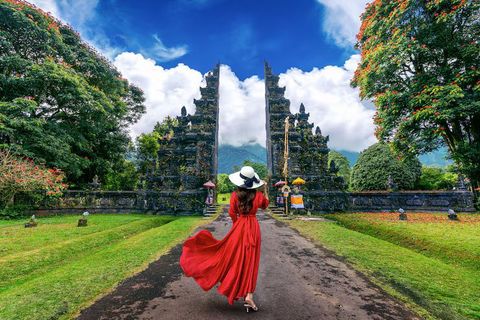
Bali Travel Guide: Explore Beautiful Places, Culture and Nature
Bali is one of Southeast Asia's most visited island destinations, known for its beautiful landscapes, rich traditions, and welcoming atmosphere.
A Bali travel guide helps visitors understand the island's attractions, local customs, transportation, and practical travel information before planning a trip.
From peaceful beaches and green rice terraces to ancient temples and volcanic scenery, Bali provides a wide variety of experiences for different types of travelers. Learning about the island's culture, nature, and travel guidelines can help visitors enjoy a well-prepared and respectful journey.
Context
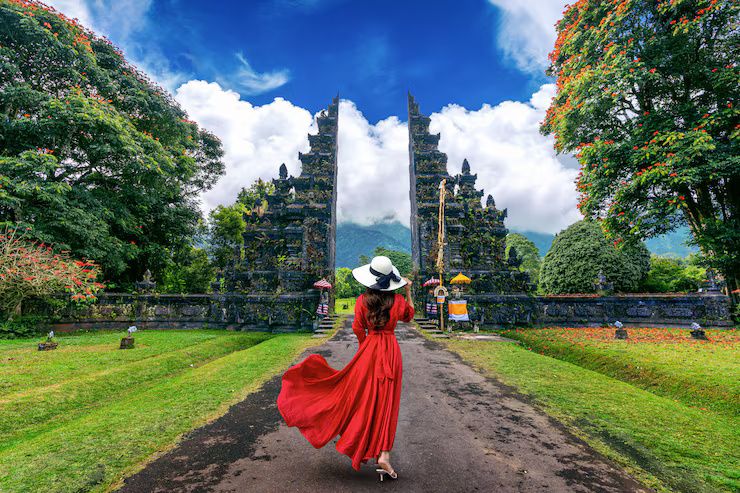
A Bali travel guide is an informational resource that explains the island's geography, culture, attractions, transportation, and travel requirements. Bali is an Indonesian province located between Java and Lombok and is recognized for its combination of natural beauty and cultural heritage.
Tourism has played an important role in Bali for many decades. Visitors come to experience traditional ceremonies, local arts, mountain landscapes, waterfalls, beaches, and marine activities. Alongside tourism, the island continues to preserve its Hindu traditions, which are reflected in daily life and community celebrations.
Many travelers visit Bali for:
- Cultural experiences
- Nature exploration
- Beach activities
- Temple visits
- Wellness and relaxation
- Photography opportunities
Popular Places in Bali
| Destination | Known For | Best Time to Visit |
|---|---|---|
| Ubud | Rice terraces, culture, art | Morning and evening |
| Uluwatu | Sea cliffs and temple | Sunset |
| Nusa Penida | Coastal scenery | Dry season |
| Seminyak | Beaches and dining | Throughout the year |
| Canggu | Surfing and cafés | Dry season |
| Mount Batur | Sunrise trekking | Early morning |
Importance
A Bali travel guide helps visitors understand local customs, environmental practices, transportation options, and seasonal weather. Proper planning supports a smoother travel experience and encourages respectful interaction with local communities.
The guide is useful for many types of travelers, including:
- Families planning vacations
- Solo travelers
- Couples
- Nature enthusiasts
- Cultural explorers
- Photography enthusiasts
Understanding local traditions is especially important because many religious ceremonies take place throughout the year. Visitors are encouraged to dress appropriately when entering temples and to follow local guidance during cultural events.
A travel guide also provides practical information about transportation, accommodation areas, weather conditions, health recommendations, and safety practices. This knowledge helps visitors make informed decisions while exploring different regions of the island.
Recent Updates
Travel trends in Bali have continued to evolve between 2024 and 2026. Government agencies and tourism organizations have focused on sustainable tourism, environmental protection, and visitor education.
Several developments include:
- Greater emphasis on environmentally responsible travel.
- Continued promotion of less crowded destinations across the island.
- Improved digital travel information through official platforms.
- Ongoing infrastructure improvements in transportation and public facilities.
- Increased awareness of marine conservation and responsible beach activities.
Sustainable Travel Practices
Travelers are increasingly encouraged to:
- Reduce single-use plastic consumption.
- Respect wildlife and protected areas.
- Support environmentally responsible tourism activities.
- Follow local waste disposal guidelines.
- Respect cultural ceremonies and sacred locations.
These practices help preserve Bali's natural landscapes and cultural heritage for future generations.
Laws or Policies
Visitors should remain informed about Indonesian regulations and local rules before traveling to Bali. Government requirements may change over time, so checking official sources before departure is recommended.
Important regulations include:
- Passport validity requirements for international travelers.
- Entry and immigration procedures established by Indonesian authorities.
- Customs regulations for personal belongings.
- Local traffic regulations for drivers and motorcycle users.
- Rules regarding protected wildlife and environmental conservation.
When visiting temples:
- Wear appropriate clothing.
- Follow posted guidelines.
- Respect restricted areas.
- Maintain appropriate behavior during ceremonies.
- Follow instructions provided by temple staff.
Environmental regulations also encourage responsible waste management and protection of beaches, forests, coral reefs, and marine ecosystems.
Tools and Resources
Several official resources help travelers prepare accurate and up-to-date information before visiting Bali.
| Resource | Purpose |
| Indonesia Immigration Portal | Entry requirements and immigration information |
| Ministry of Tourism Indonesia | Tourism guidance and destinations |
| BMKG Indonesia | Weather forecasts |
| Google Maps | Navigation and route planning |
| Currency Converter | Exchange rate estimation |
| Translation Apps | Basic communication assistance |
Useful planning tools include:
- Flight comparison platforms
- Accommodation comparison platforms
- Public transportation maps
- Weather forecast applications
- Offline map applications
- Travel itinerary planners
Using reliable information sources helps travelers stay informed about transportation, weather conditions, local events, and travel requirements.
FAQs
What is the best time to visit Bali?
The dry season, generally from April to October, is often preferred because outdoor activities are more comfortable. However, Bali welcomes visitors throughout the year.
How many days are suitable for exploring Bali?
Many visitors spend between five and ten days exploring different regions, allowing time for beaches, cultural attractions, nature, and relaxation.
Is Bali suitable for family travel?
Yes. Bali includes beaches, cultural attractions, parks, nature activities, and educational experiences suitable for families with children.
What cultural etiquette should visitors follow?
Visitors should dress respectfully when entering temples, avoid disturbing religious ceremonies, follow local instructions, and respect community traditions.
What natural attractions can be explored in Bali?
Popular natural attractions include beaches, waterfalls, rice terraces, volcanic mountains, coral reefs, lakes, forests, and scenic coastal viewpoints.
Conclusion
A Bali travel guide provides valuable information about the island's culture, landscapes, travel requirements, and responsible tourism practices. Understanding local customs and planning ahead helps create a more enjoyable travel experience.
Whether exploring temples, beaches, mountains, or traditional villages, visitors can appreciate Bali's unique combination of culture and nature while respecting local communities and environmental conservation.
Reliable information, careful preparation, and responsible travel habits contribute to a safe and meaningful journey across one of Indonesia's most recognized island destinations.

Related Post...



Explore Resort Experiences: An Informative Guide to All Inclusive Destinations
Updated: September 15, 2026
Read More