Automatic Egg Tray Making Machines: Complete Guide to Basics, Techniques, Facts, Knowledge, and Best Practices
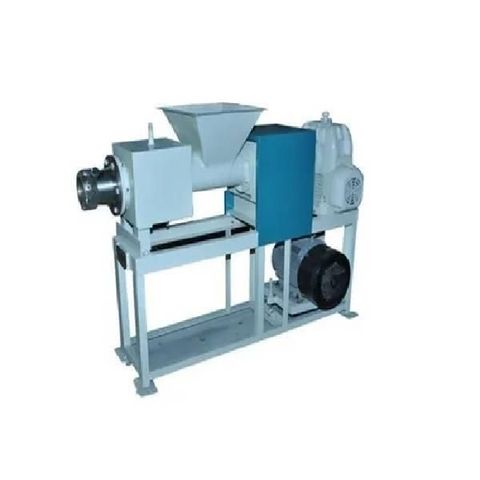
Automatic egg tray making machines are industrial systems designed to manufacture protective egg trays from recycled paper, cardboard, newspaper, and other suitable fibrous materials. The basic process converts waste paper into pulp, forms the pulp into tray-shaped molds, removes excess water, dries the molded products, and prepares them for packaging or further handling.
Egg trays are primarily designed to protect eggs during transportation, storage, and handling. Their molded structure creates individual spaces that separate eggs and reduce direct contact between them.
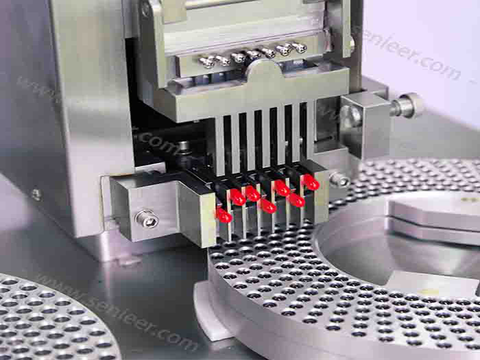
An automatic egg tray making machine can combine several stages of this process into a coordinated production system. Depending on the configuration, automation can be applied to pulp preparation, molding, transfer, drying, stacking, and monitoring.
The technology is closely connected with recycling because waste paper becomes the principal raw material for many conventional molded-pulp egg trays.
Why Egg Tray Manufacturing Matters
Paper-based molded packaging is part of the wider circular economy because recovered paper can be converted into another useful material rather than immediately becoming waste.
India's waste-management framework has increasingly emphasized segregation, recycling, resource recovery, and circular-economy principles. The Solid Waste Management Rules, 2026, which came into effect on 1 April 2026, specifically recognize dry waste such as paper as a recyclable stream and require source segregation into four categories.
Egg tray manufacturing can therefore connect several activities:
Collection of suitable waste paper
Sorting of recyclable material
Pulp preparation
Molded-fiber production
Product drying
Quality inspection
Stacking and handling
Recycling of suitable process residues
The process also illustrates how packaging can be designed around recovered materials.
How an Egg Tray Manufacturing System Works
A typical egg tray manufacturing equipment setup follows several stages.
Raw-material preparation: Waste paper and cardboard are collected and sorted to remove unsuitable materials.
Pulping: The paper is mixed with water and mechanically processed until the fibers become a suitable pulp.
Pulp cleaning: Screens and other equipment can remove contaminants and unwanted particles.
Pulp adjustment: Water content and pulp consistency are adjusted according to the molding requirements.
Molding: The pulp is deposited onto molds shaped like egg trays. Vacuum systems can assist in removing water and forming the product.
Transfer: Formed trays are transferred from the molding section toward drying.
Drying: Water is removed through natural or mechanical drying methods, depending on the plant configuration.
Stacking: Finished trays are arranged into stacks for easier storage and transportation.
A simplified process is:
Waste paper → Sorting → Pulping → Screening → Pulp adjustment → Molding → Dewatering → Drying → Stacking
Main Types of Egg Tray Making Machines
Several machine configurations are available for different production requirements.
| Machine Type | Main Characteristic | Typical Application |
|---|---|---|
| Paper egg tray making machine | Uses recovered paper fibers | Standard molded egg trays |
| Pulp egg tray making machine | Forms products from prepared pulp | Molded-fiber packaging |
| Automatic egg tray making machine | Integrates multiple production stages | Automated production lines |
| High speed egg tray making machine | Designed for higher production throughput | Larger industrial facilities |
| Industrial egg tray making machine | Built for continuous production environments | Large-scale manufacturing |
| Semi-automatic system | Combines mechanical and manual operations | Smaller production setups |
The actual configuration depends on the required output, available space, raw-material quality, energy source, drying technology, and degree of automation.
Important Components of Egg Tray Manufacturing Equipment
A complete production system can contain several machines and supporting components.
Common equipment includes:
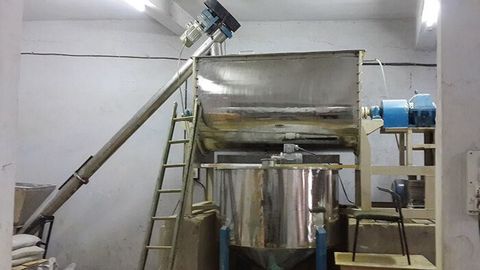
Hydrapulper or pulping system
Pulp storage tanks
Agitators
Screening equipment
Refining equipment
Vacuum pumps
Molding machine
Mold-transfer system
Drying system
Conveyors
Stacking equipment
Control panel
Water-recycling system
Wastewater-management equipment
A high speed egg tray making machine may also incorporate automated transfer and stacking systems to reduce manual handling between production stages.
The drying section is particularly important because molded pulp contains substantial water immediately after forming. Drying requirements depend on tray thickness, ambient conditions, production speed, and the selected drying technology.
Factors That Influence Machine Performance
Machine performance should not be evaluated only by its advertised production figure.
Important technical factors include:
Mold configuration
Pulp consistency
Raw-material quality
Water management
Vacuum capacity
Drying method
Mold-change requirements
Automation level
Energy consumption
Production environment
Maintenance requirements
Product dimensions
A machine designed for one molded-pulp product may require different molds or settings for another product.
For example, egg trays, fruit trays, bottle holders, and industrial protective inserts can all use molded pulp while requiring different mold geometries.
Production Capacity and Quality Considerations
Production capacity can be understood through a combination of cycle time, cavities per mold, operating hours, and actual machine efficiency.
A simplified planning model is:
Approximate output = Trays per cycle × Cycles per hour × Operating hours
Actual production can be lower because of cleaning, mold changes, maintenance, material variation, drying limitations, and other interruptions.
Quality inspection should examine:
Tray dimensions
Fiber distribution
Mold definition
Surface consistency
Structural strength
Moisture level
Cracks or deformation
Contamination
Stacking condition
Consistent raw-material preparation is particularly important. Paper containing excessive contaminants, coatings, plastics, metals, or unsuitable adhesives can affect pulp quality and equipment operation.
Recent Developments in India's Recycling Environment
India's recycling infrastructure has expanded significantly. Government information published in 2026 reported that the number of waste recycling plants increased from 829 in 2019–20 to 3,036 in 2024–25.
This broader growth is relevant to molded-paper manufacturing because reliable recycling infrastructure supports the availability and organized handling of recyclable materials.
Another significant development occurred in January 2026 when the Ministry of Environment, Forest and Climate Change notified the Solid Waste Management Rules, 2026. The rules replaced the 2016 framework and came into effect on 1 April 2026.
The new framework makes four-stream segregation mandatory:
Wet waste
Dry waste
Sanitary waste
Special care waste
Paper falls within the dry-waste stream, which is intended for appropriate sorting and recycling through the waste-management system.
The rules also formally recognize Material Recovery Facilities for sorting solid waste, strengthening the infrastructure around recyclable materials.
Environmental Considerations
Molded-paper manufacturing can support material recovery, but the environmental performance of a plant depends on the entire production process.
Water is an important consideration because pulping and molding use substantial quantities of water. Efficient systems can recirculate suitable process water, reducing fresh-water requirements.
Other considerations include:
Wastewater treatment
Sludge management
Energy consumption
Drying efficiency
Air emissions from thermal drying
Noise management
Safe chemical handling
Responsible disposal of contaminants
Recycling of suitable production residues
The new Solid Waste Management Rules, 2026 emphasize circular-economy principles and environmentally sound waste processing. They also introduce stronger monitoring and environmental-compensation provisions for certain forms of non-compliance.
Laws and Policies Relevant to Egg Tray Manufacturing in India
Egg tray production can involve several regulatory areas depending on the size and location of the facility.
Solid waste management: The Solid Waste Management Rules, 2026 are relevant to the handling and processing of solid waste and recyclable materials. Paper is included within the dry-waste stream.
Environmental permissions: Manufacturing facilities may need approvals or consent requirements from the relevant State Pollution Control Board depending on the process, scale, location, emissions, wastewater, and applicable classification.
Water management: Facilities using significant amounts of water may need to follow applicable requirements relating to wastewater treatment and discharge.
Air pollution: If thermal dryers, boilers, or other combustion equipment are used, applicable air-emission requirements should be assessed.
Plastic packaging rules: The Plastic Waste Management framework and EPR system apply to specified plastic packaging rather than ordinary paper egg trays. However, any plastic materials incorporated into a product or its packaging can create separate compliance considerations. The government continues to maintain EPR frameworks for regulated waste streams.
The exact approvals required depend on the facility and state, so operators should verify current requirements with the relevant authorities.
Tools and Useful Resources
Several practical tools can help with planning and operating an egg tray production system.
Production calculator: A spreadsheet can estimate theoretical output using tray cavities, cycle time, operating hours, and expected efficiency.
Raw-material tracking sheet: Record paper type, incoming quantity, contamination levels, moisture, and processing batches.
Water-use calculator: Track fresh-water input, recycled process water, wastewater generation, and reuse.
Energy-monitoring sheet: Record electricity or thermal energy consumption by pulping, molding, vacuum, and drying equipment.
Quality-control checklist: Monitor dimensions, moisture, structural strength, appearance, and defects.
Maintenance calendar: Track lubrication, vacuum-system inspection, pump maintenance, mold cleaning, and electrical checks.
CPCB resources: Useful for current waste-management guidance and environmental requirements.
MoEFCC regulations: Useful for checking current national environmental rules and amendments.
The Central Pollution Control Board and Ministry of Environment, Forest and Climate Change are particularly useful starting points when researching waste-processing and environmental compliance.
Best Practices for Operating Egg Tray Manufacturing Equipment
Good process management can improve consistency and reduce avoidable interruptions.
Recommended practices include:
Sort waste paper before pulping.
Remove metals, plastics, and unsuitable contaminants.
Maintain consistent pulp concentration.
Monitor water quality.
Clean molds regularly.
Inspect vacuum systems.
Monitor drying conditions.
Check tray dimensions periodically.
Maintain proper ventilation.
Keep electrical systems protected from moisture.
Record production and quality data.
Maintain equipment according to manufacturer documentation.
Train operators in machine safety.
Maintain appropriate emergency procedures.
A preventive-maintenance schedule is especially useful because pulp, moisture, dust, and continuous mechanical movement can place demands on pumps, molds, conveyors, bearings, and electrical components.
Frequently Asked Questions
What are automatic egg tray making machines?
They are automated production systems that convert suitable waste paper into molded egg trays. Depending on their configuration, they can include pulping, molding, drying, conveying, and stacking operations.
What raw materials are used in paper egg tray making machines?
Common materials include recovered paper, newspapers, cardboard, and other suitable cellulose-based fibers. The material normally needs to be sorted and processed before it enters the pulping stage.
What is the difference between a paper egg tray making machine and a pulp egg tray making machine?
The terms often describe closely related technology. A paper egg tray making machine emphasizes the recovered-paper input, while a pulp egg tray making machine emphasizes the molded-pulp production process.
What affects the output of a high speed egg tray making machine?
Mold capacity, cycle time, pulp consistency, drying capability, machine configuration, raw-material quality, maintenance, and operating conditions can all influence actual output.
Are egg tray manufacturing facilities subject to environmental rules in India?
Yes. Depending on the facility's size and process, requirements can involve waste management, water use, wastewater, air emissions, and State Pollution Control Board approvals. The Solid Waste Management Rules, 2026 are an important part of India's current waste-management framework.
Conclusion
Automatic egg tray manufacturing combines recycling technology, pulp processing, molding, drying, and material-handling systems to produce protective packaging from suitable recovered fibers.
An automatic egg tray making machine, industrial egg tray making machine, or pulp egg tray making machine can be configured at different levels of automation depending on production requirements, available infrastructure, raw materials, and product specifications.
India's waste-management environment is also evolving. The Solid Waste Management Rules, 2026 introduced mandatory four-stream segregation and strengthened the country's focus on circular economy, recycling, material recovery, and digital monitoring.
For anyone researching egg tray manufacturing equipment, the most useful approach is to evaluate the entire production process rather than focusing on a single machine. Raw-material preparation, pulp quality, molding, drying, water management, energy use, maintenance, product quality, and environmental compliance all influence the overall operation.
Disclaimer: This article is provided for general informational and educational purposes only. It does not constitute technical, legal, environmental, financial, or regulatory advice. No specific machine, manufacturer, supplier, product, performance level, or outcome is being claimed, endorsed, sold, or promoted. Requirements and regulations can change and may differ by location and facility type. Readers should verify current specifications and applicable requirements with the relevant manufacturer, qualified professional, and government authority before making any technical or operational decision.

Related Post...
Cement Mixing Machines: Complete Guide to Basics, Techniques, Facts, Knowledge, and Best Practices
Updated: October 26, 2026
Read More

Heavy Duty Forklifts: Complete Guide to Basics, Technologies, Facts, Knowledge, and Best Practices
Updated: October 26, 2026
Read More