Automatic bottle fillers operate through mechanical, pneumatic, or electronic systems that measure a predefined amount of liquid and dispense it uniformly into containers. They are built to handle different liquid types thin, thick, foamy, or semi-viscous. Variations exist based on filling principle, including gravity-based filling, piston-driven systems, and volumetric mechanisms. Automatic fillers are used where production scale is large enough to require uninterrupted, repeatable filling cycles without human variation.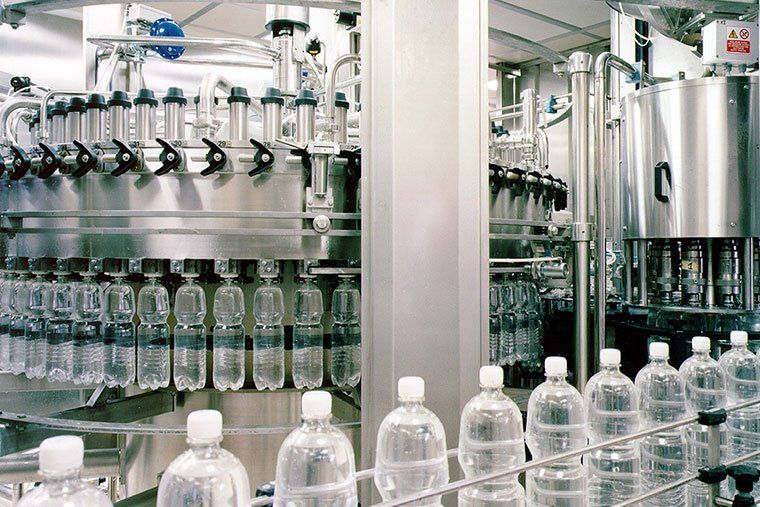
Many models support rinsing, capping, labeling, and conveyor integration to function as part of a complete filling line. Modern systems also carry controls for speed adjustment, contamination prevention, and consistency validation. Their evolution over time has resulted in better hygiene standards, improved speed, and more compatibility with diverse container shapes and product densities.
Why Automatic Bottle Fillers Matter Today
Automation is now common in packaging environments, and bottle fillers contribute significantly to production reliability. They help maintain uniformity in liquid volume, which is essential for brand consistency and consumer trust. In applications like pharmaceuticals, beverage packaging, and chemical formulation, accuracy is important for product quality and compliance.
Automatic fillers also reduce the need for repetitive manual labor, which can be physically demanding and prone to error. The adoption of such equipment supports safe liquid handling and helps decrease environmental waste through precise dispensing. These machines are relevant to businesses transitioning toward mechanized packing lines, particularly those looking for predictable output and workflow stability.
Industries that commonly depend on automatic filling technology include:
• Beverage bottling (milk, juice, water, soft drinks)
• Chemical packaging (cleaners, industrial fluids)
• Healthcare formulation (syrups, antiseptics, liquid medication)
• Food processing (edible oils, sauces, vinegar)
• Personal care manufacturing (shampoo, lotion, liquid soap)
Key Developments and Updates in the Past Year
Automation continues to advance with digital monitoring and efficiency-focused upgrades. Over the past year, innovations have focused on increased filling speed, reduced spillage, and improved accuracy through sensor-assisted detection. Newer machines released in 2024–2025 feature better programmable controls, touchscreen operation, and faster changeover for bottle type switching.
Trends observed recently include:
• Growing use of servo-controlled pistons for precision dispensing
• IoT connectivity for remote monitoring and fault detection
• Higher adoption in dairy and nutraceutical packaging lines
• Demand for hygienic stainless-steel construction for contamination-sensitive industries
• Expansion of rotary filling technology for high-volume beverage bottling
Timeline-style updates reflected by industry observations:
| Year | Development Trend |
|---|---|
| 2024 Q1 | Rise in interest for energy-efficient filling machines |
| 2024 Q3 | IoT-integrated automation adoption in production lines |
| 2025 Q1 | Increased deployment in pharmaceutical liquid packaging |
These updates reflect a growing emphasis on precision control and seamless line integration.
Regulations, Standards, and Compliance
Automatic bottle fillers operate under regulatory frameworks focused on hygiene, product safety, and accuracy. Requirements vary by region, but they generally address food-grade materials, contamination resistance, and quality assurance standards.
Common guidelines affecting automatic bottling include:
• Food packaging hygiene protocols for edible liquids
• Pharmaceutical filling accuracy standards for dosage reliability
• Industrial equipment safety certification for mechanical systems
• Standards for contact surfaces to prevent contamination and residue
• Requirements for traceability, batch coding, and labeling compliance
Regulatory bodies may inspect machines used for consumable and pharmaceutical bottling to ensure safety and quality. These rules support reliable packaging environments where liquid consistency, cleanliness, and volume uniformity are monitored.
Tools, Resources, and Helpful References
Professionals exploring automatic bottle fillers can benefit from technical tools, calculation aids, and online references that help compare specifications or performance metrics. While specific brands vary by sector, several categories of resources are useful for planning and optimization.
Useful resource types include:
• Technical comparison charts for filler mechanism differences
• Guides to piston, gravity, and volumetric system selection
• Interactive bottle throughput calculators
• Maintenance tracking sheets for scheduled inspection
• Software for monitoring filling-line output and downtime
• Industry automation research portals and packaging journals
Example reference tools that support planning and understanding:
| Resource Type | Use Case |
|---|---|
| Filling speed calculator | Helps estimate bottle-per-minute output |
| Container compatibility chart | Compares material tolerance with fills |
| Flow rate monitoring dashboards | Tracks real-time machine performance |
| Maintenance checklist templates | Assists in routine operational upkeep |
| Online automation indexes | Provides trends and technology benchmarks |
These resources help businesses compare filling methods, plan production line setup, and assess output expectations.
Frequently Asked Questions
What is the basic function of an automatic bottle filler?
It measures a specified quantity of liquid and fills it into bottles at a controlled speed using mechanical or electronic systems.
Which industries use automatic bottle fillers most?
Common applications are found in beverage bottling, pharmaceuticals, chemicals, dairy, food products, and personal care formulations.
How do gravity and piston filling systems differ?
Gravity systems work best for thin liquids, while piston systems handle thick or viscous liquids by pushing them with measurable force.
What factors determine filling accuracy?
Liquid density, nozzle design, pressure control, and sensor calibration can influence accuracy, along with machine maintenance and conveyor alignment.
Do automatic fillers require regular maintenance?
Yes. Routine cleaning, lubrication, sensor checks, and part replacement help maintain precision and durability.
Conclusion
Automatic bottle fillers have become important in production-line automation, especially where high-volume liquid packaging requires precision. Their design supports efficiency, uniformity, and hygiene in industrial bottling environments. Recent trends show increasing focus on IoT-enabled monitoring, servo control, and flexible liquid-compatibility mechanisms. With regulatory compliance and proper maintenance, these systems play a consistent role in modern packaging workflows.
This guide provides a foundational understanding of automatic bottle fillers, including their function, relevance, and current developments. As automation continues to influence manufacturing, the role of reliable filling machinery will remain central to accurate and hygienic liquid packaging.