As vehicles became more common, the need for replacement components and maintenance systems grew steadily. This led to the development of the automotive aftermarket, which focuses on parts and accessories used after a vehicle leaves the manufacturer.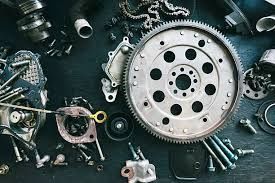
Today, the auto parts market includes a wide range of products such as engine components, electrical systems, braking systems, and body parts. The structure of this industry involves manufacturers, distributors, retailers, and end users, all connected through an organized auto parts supply chain.
Importance
The auto parts business plays a significant role in maintaining the functionality and safety of vehicles. Since vehicles require regular upkeep, the demand for auto spare parts remains consistent across different regions.
This industry affects multiple groups:
- Vehicle owners who rely on replacement parts for maintenance
- Repair workshops that depend on timely availability of components
- Manufacturers and distributors managing production and logistics
The importance of the automotive aftermarket can also be seen in everyday situations. For example, routine maintenance tasks such as brake replacement or battery changes depend on accessible vehicle components.
Additionally, the auto parts market supports economic activity by enabling transportation systems to function efficiently. Without a structured auto parts distribution network, maintaining vehicles would become more difficult and time-consuming.
Types of Auto Parts
Understanding the categories within the auto parts business helps clarify how different components are used.
Engine Components
These parts are essential for vehicle operation. They include pistons, valves, and fuel systems that support engine performance.
Electrical Parts
Electrical components include batteries, wiring systems, and lighting elements. These are necessary for starting the vehicle and powering various functions.
Brake and Suspension Parts
These components ensure safety and stability. Examples include brake pads, shock absorbers, and suspension systems.
Body and Exterior Parts
These parts include doors, bumpers, mirrors, and panels. They contribute to both appearance and structural protection.
Consumable Parts
Consumables are items that require regular replacement, such as filters, fluids, and spark plugs. These are a major part of the automotive aftermarket.
Auto Parts Supply Chain
The auto parts supply chain is a structured network that ensures vehicle components move from production to end use efficiently.
Manufacturing Stage
Parts are produced by specialized manufacturers using standardized designs and materials. Quality control is important at this stage to ensure compatibility and durability.
Distribution Stage
Distributors manage the storage and movement of parts. Auto parts distribution networks help deliver components to different regions.
Retail and End Use
Retailers and workshops provide access to auto spare parts for consumers and technicians. This stage connects the supply chain directly to vehicle owners.
Auto Parts Inventory Management
Managing inventory is a key part of the auto parts business. Since there are many types of vehicle components, proper tracking is necessary.
Key Inventory Practices
- Stock classification: organizing parts based on demand and usage
- Demand forecasting: estimating future requirements
- Storage systems: ensuring easy access and proper handling
- Tracking systems: monitoring stock levels and movement
Effective auto parts inventory management helps reduce delays and ensures that commonly used parts are available when needed.
Comparison of Auto Parts Categories
| Category | Function | Examples | Usage Frequency |
|---|---|---|---|
| Engine Components | Power generation | Pistons, valves | Medium to high |
| Electrical Parts | Power and control | Batteries, wiring | Medium |
| Brake & Suspension | Safety and stability | Brake pads, shocks | High |
| Body Parts | Structure and appearance | Doors, bumpers | Low to medium |
| Consumables | Routine maintenance | Filters, fluids | High |
Recent Updates
The automotive parts industry is evolving with changes in vehicle technology and consumer behavior. One noticeable trend is the increasing demand for components related to electric vehicles. These include battery systems and electronic control units.
Digital platforms are also influencing the auto parts market. Inventory tracking systems, online catalogs, and data-driven logistics are improving how parts are managed and distributed.
Another trend is the growing focus on sustainability. Recycling and reuse of certain auto spare parts are becoming more common as environmental awareness increases.
Laws or Policies
The auto parts business operates within regulatory frameworks that ensure safety, quality, and environmental compliance.
Safety Standards
Vehicle components must meet safety requirements to ensure proper functioning. These standards are often defined by national automotive authorities.
Environmental Regulations
Regulations may cover emissions, disposal of used parts, and recycling practices. These rules aim to reduce environmental impact.
Trade and Compliance
Import and export of auto parts are subject to trade regulations. Proper documentation and compliance are required for international distribution.
These policies help maintain consistency and safety across the automotive parts industry.
Tools and Resources
Various tools and resources support operations within the auto parts business.
Inventory Management Software
Digital systems help track stock levels, monitor usage, and manage orders efficiently.
Parts Catalog Systems
Catalog platforms allow users to identify compatible vehicle components based on model and specifications.
Data Analytics Tools
Analytics tools help understand demand patterns and improve decision-making in the auto parts market.
Training Materials
Educational resources explain product categories, handling practices, and supply chain processes.
FAQs
What is the auto parts business?
The auto parts business involves the production, distribution, and availability of vehicle components used for maintenance and repair.
How does the auto parts supply chain work?
The auto parts supply chain includes manufacturing, distribution, and retail stages that ensure parts reach end users efficiently.
What are common auto spare parts used in vehicles?
Common auto spare parts include brake pads, filters, batteries, and engine components used for regular maintenance.
What is the automotive aftermarket?
The automotive aftermarket refers to the segment of the industry that deals with replacement parts and accessories after a vehicle is manufactured.
Why is auto parts inventory management important?
Auto parts inventory management helps ensure that required components are available, reduces delays, and improves overall efficiency.
Conclusion
The auto parts business is a key part of the automotive ecosystem, supporting vehicle maintenance and repair. It includes various components, supply chain processes, and inventory systems that work together to ensure availability. Understanding the automotive parts industry and its structure helps explain how vehicles remain functional over time. As technology evolves, the auto parts market continues to adapt to new demands and trends.