Arthritis Pain Management Guide: Treatment Approaches, Therapy Options, Medications, and Care Planning
Arthritis describes a group of more than 100 conditions that can affect joints and surrounding tissues. Common symptoms include joint pain, stiffness, swelling, reduced mobility, and difficulty with everyday activities. Treatment depends on the specific type of arthritis, affected joints, symptoms, medical history, and individual health factors.
A practical arthritis pain-management plan may combine physical activity, joint protection, weight management when appropriate, physical therapy, self-management education, medications, and other treatments. For some people, several approaches are used together rather than relying on one treatment alone.
Understanding Arthritis and Joint Pain
Arthritis is not one single disease. Common types include:
Osteoarthritis (OA): Often affects the knees, hips, hands, and other joints and is associated with changes in cartilage and other joint tissues.
Rheumatoid arthritis (RA): An autoimmune condition in which the immune system attacks tissues around joints.
Gout: Often causes sudden, intense pain and swelling, commonly affecting one joint at a time.
Psoriatic arthritis: Can cause joint inflammation in people with psoriasis or related features.
Other inflammatory or autoimmune arthritis: Several less-common conditions can also produce persistent joint inflammation and pain.
Because treatment differs substantially between conditions, identifying the type of arthritis is an important first step.
How Arthritis Pain Is Evaluated
A healthcare professional may evaluate arthritis by reviewing:
Symptoms and their duration
Personal and family medical history
Joint pain and stiffness patterns
Physical examination findings
Previous injuries
Medications and other health conditions
Imaging such as X-rays when appropriate
Laboratory tests when clinically indicated
The evaluation can help distinguish osteoarthritis from inflammatory arthritis and other conditions that may require different treatment.
Non-Medication Approaches
Non-drug approaches are an important part of arthritis pain management.
Physical Activity
Joint-friendly physical activity can help reduce pain and improve physical function, mood, and quality of life. Examples can include walking, cycling, swimming, water exercise, tai chi, and appropriately selected strengthening exercises.
For adults with arthritis, CDC guidance recommends working toward at least 150 minutes of moderate-intensity aerobic activity each week along with muscle-strengthening activities on at least two days per week, when appropriate for the individual. Activity can also be divided into shorter sessions.
Starting gradually is important. If pain becomes severe or does not improve with modification and rest, a healthcare professional should be consulted.
Physical Therapy
A physical therapist can help develop exercises based on the affected joints, mobility limitations, strength, and functional goals.
Physical therapy may focus on:
Strengthening muscles around affected joints
Improving flexibility
Increasing range of motion
Improving balance
Supporting safer movement
Reducing strain on painful joints
CDC also notes that referral to physical or occupational therapy can help tailor physical activity for people with arthritis.
Weight Management
For adults with overweight or obesity, even modest weight loss can help reduce arthritis-related pain and disability, particularly when weight-bearing joints are affected.
Weight management should be approached as part of an overall health plan rather than as a substitute for appropriate arthritis treatment.
Joint Protection
Joint-protection strategies can include:
Using appropriate assistive devices when recommended
Modifying activities that repeatedly aggravate symptoms
Using supportive equipment when clinically appropriate
Improving movement techniques
Taking appropriate breaks during demanding activities
Addressing fall risks
For some people with knee or hip osteoarthritis, a cane or brace may be recommended based on pain, stability, and walking limitations.
Medication Options
Medication selection depends on the type of arthritis, affected joints, other medical conditions, current medications, age, and potential risks.
Topical NSAIDs
Topical nonsteroidal anti-inflammatory drugs may be considered for certain people with osteoarthritis, particularly when one or a few superficial joints such as the knee are affected. CDC clinical guidance identifies topical NSAIDs as an option after non-drug approaches have been insufficient.
Oral NSAIDs
Oral NSAIDs can provide pain relief for osteoarthritis and are an established medication option. However, they can have gastrointestinal, kidney, cardiovascular, and drug-interaction risks, so appropriate patient selection and monitoring matter. The American College of Rheumatology/Arthritis Foundation guideline strongly recommends oral NSAIDs for knee, hip, and hand osteoarthritis while emphasizing risk considerations.
Acetaminophen
Acetaminophen may be used for some forms of pain, but evidence for osteoarthritis pain relief is limited compared with NSAIDs. It is not generally considered a first-line osteoarthritis medication when other appropriate options are available.
Duloxetine
Duloxetine, a medication also used for certain mood disorders and pain conditions, may be considered for some people with osteoarthritis when appropriate. Medication selection should account for other medicines, medical conditions, and potential adverse effects.
Medications for Inflammatory Arthritis
Conditions such as rheumatoid arthritis may require disease-specific prescription treatment intended to control the underlying inflammatory process, not simply reduce pain.
Depending on the diagnosis, treatment may involve medications such as disease-modifying antirheumatic drugs or biologic therapies. These decisions require evaluation and ongoing monitoring by an appropriately qualified healthcare professional.
Injections and Other Treatments
Some arthritis treatment plans may include injections or other interventions.
Depending on the condition and joint involved, clinicians may consider:
Intra-articular corticosteroid injections
Other joint injections in selected circumstances
Occupational therapy
Assistive devices
Structured rehabilitation
Surgical evaluation when conservative approaches are insufficient
Treatment choice should be based on the diagnosis, affected joint, symptom severity, previous treatment response, and individual risks.
Osteoarthritis Pain Management
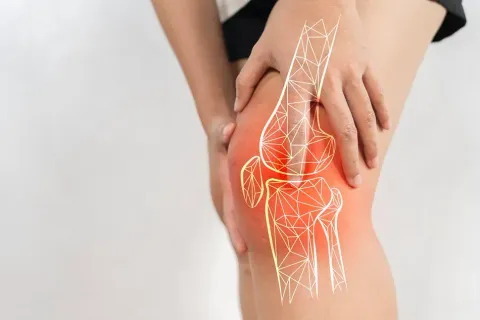
Osteoarthritis is the most common form of arthritis and commonly affects the hands, knees, hips, and other joints. It can cause pain, stiffness, swelling, and limitations in daily activities.
A management plan may include:
Education and self-management
Physical activity
Strength and mobility exercises
Weight management when appropriate
Joint-protection strategies
Physical therapy
Topical or oral medications when appropriate
Assistive devices
Injections or surgery in selected situations
Joint-replacement surgery may be considered for some people whose symptoms and functional limitations remain significant despite other approaches.
Rheumatoid Arthritis Pain Management
Rheumatoid arthritis requires a different approach because it is an inflammatory autoimmune disease.
Treatment generally focuses on controlling inflammation and preventing or limiting joint damage. Pain medicines may be part of symptom management, but they do not replace disease-directed treatment.
Early evaluation can be important when symptoms suggest inflammatory arthritis. A rheumatologist may help determine the diagnosis and develop an appropriate treatment strategy.
Self-Management and Lifestyle Support
Arthritis management can extend beyond formal treatment.
Useful areas to discuss with a healthcare professional may include:
Physical activity
Sleep and fatigue management
Healthy nutrition
Weight management
Stress management
Joint protection
Activity modification
Self-management education
Mental and emotional well-being
CDC recognizes evidence-based physical activity and self-management programs designed to help adults with arthritis reduce symptoms and improve function. Some programs are available remotely as well as in community or healthcare settings.
Creating an Arthritis Care Plan
A practical care plan can organize treatment around individual needs.
| Area | Planning Consideration |
|---|---|
| Diagnosis | What type of arthritis is present? |
| Symptoms | Which joints and activities are most affected? |
| Activity | What forms of movement are appropriate? |
| Therapy | Would physical or occupational therapy help? |
| Medication | Which options are appropriate given other health factors? |
| Monitoring | How will symptoms and treatment response be reviewed? |
| Lifestyle | Are weight, sleep, stress, or activity factors relevant? |
| Joint protection | Would equipment or activity modification help? |
| Follow-up | When should treatment be reassessed? |
A written plan can make it easier to monitor changes and communicate concerns during medical appointments.
Recent Developments in Arthritis Management
Recent arthritis-management efforts increasingly emphasize evidence-based physical activity and self-management programs alongside medical treatment. CDC updated its recognized arthritis intervention resources in June 2026, including physical activity and self-management programs available in community, healthcare, and remote settings.
There is also continued emphasis on individualized, multimodal care. Current guidance recognizes that different patients may need different combinations of physical, behavioral, psychosocial, and medication-based approaches.
When to Seek Medical Attention
Persistent or worsening joint pain should be evaluated, particularly when symptoms interfere with normal activities.
Prompt medical evaluation may be appropriate for:
A new unexplained swollen joint
Significant redness or warmth
Severe or rapidly worsening pain
Fever with joint pain or swelling
Sudden inability to use a joint
New weakness or neurological symptoms
Symptoms following a significant injury
Emergency evaluation may be necessary when severe symptoms suggest a serious infection, injury, neurological problem, or another urgent condition.
Tools and Resources
Useful U.S. resources include:
CDC Arthritis: General information about arthritis, physical activity, self-management, and treatment.
CDC Arthritis-Appropriate Evidence-Based Interventions: Information about recognized physical activity and self-management programs.
NIAMS: Educational information about musculoskeletal and rheumatic conditions.
American College of Rheumatology: Clinical guidance and professional information about arthritis management.
Physical and occupational therapy professionals: Individualized guidance for movement, function, and joint protection.
Rheumatologists: Specialists who diagnose and manage many forms of inflammatory arthritis.
Frequently Asked Questions
1. What is the best treatment for arthritis pain?
There is no single best treatment for every person. The appropriate approach depends on the type of arthritis, affected joints, symptoms, medical history, and individual risks. Treatment may combine physical activity, therapy, lifestyle measures, medications, and other interventions.
2. Can exercise help arthritis pain?
Yes. Appropriate physical activity can reduce joint pain and improve function and quality of life. Joint-friendly options include walking, cycling, swimming, water exercise, tai chi, and appropriately selected strengthening exercises.
3. What medications are commonly used for arthritis pain?
Depending on the arthritis type, options can include topical or oral NSAIDs, acetaminophen in selected circumstances, duloxetine, prescription anti-inflammatory medicines, and disease-specific therapies for inflammatory arthritis. Medication selection should be individualized by a healthcare professional.
4. Can arthritis pain be managed without medication?
Yes. Physical activity, physical therapy, weight management when appropriate, joint protection, self-management education, and other non-drug approaches can play important roles in arthritis care.
5. When should someone see a doctor about arthritis pain?
Evaluation is appropriate when joint pain or stiffness persists, worsens, causes functional limitations, or is accompanied by significant swelling, warmth, redness, fever, or other concerning symptoms. Early evaluation can be particularly important when inflammatory arthritis is suspected.
Conclusion
Arthritis pain management is usually most effective when treatment is matched to the underlying type of arthritis and the individual's health needs.
Physical activity, therapy, joint protection, weight management, self-management education, medications, and selected procedures can all have a role. A healthcare professional can help determine which approaches are appropriate and how treatment should be monitored.
Because arthritis can have many different causes, persistent or significant joint symptoms should not be self-diagnosed or treated solely through general information.

Related Post...