E-commerce platforms use AI-powered analytics to improve decision-making in areas such as personalized marketing, dynamic pricing, customer service, inventory planning, and fraud detection. As competition grows and customer expectations shift, AI-driven analytics has become a necessity, not a luxury.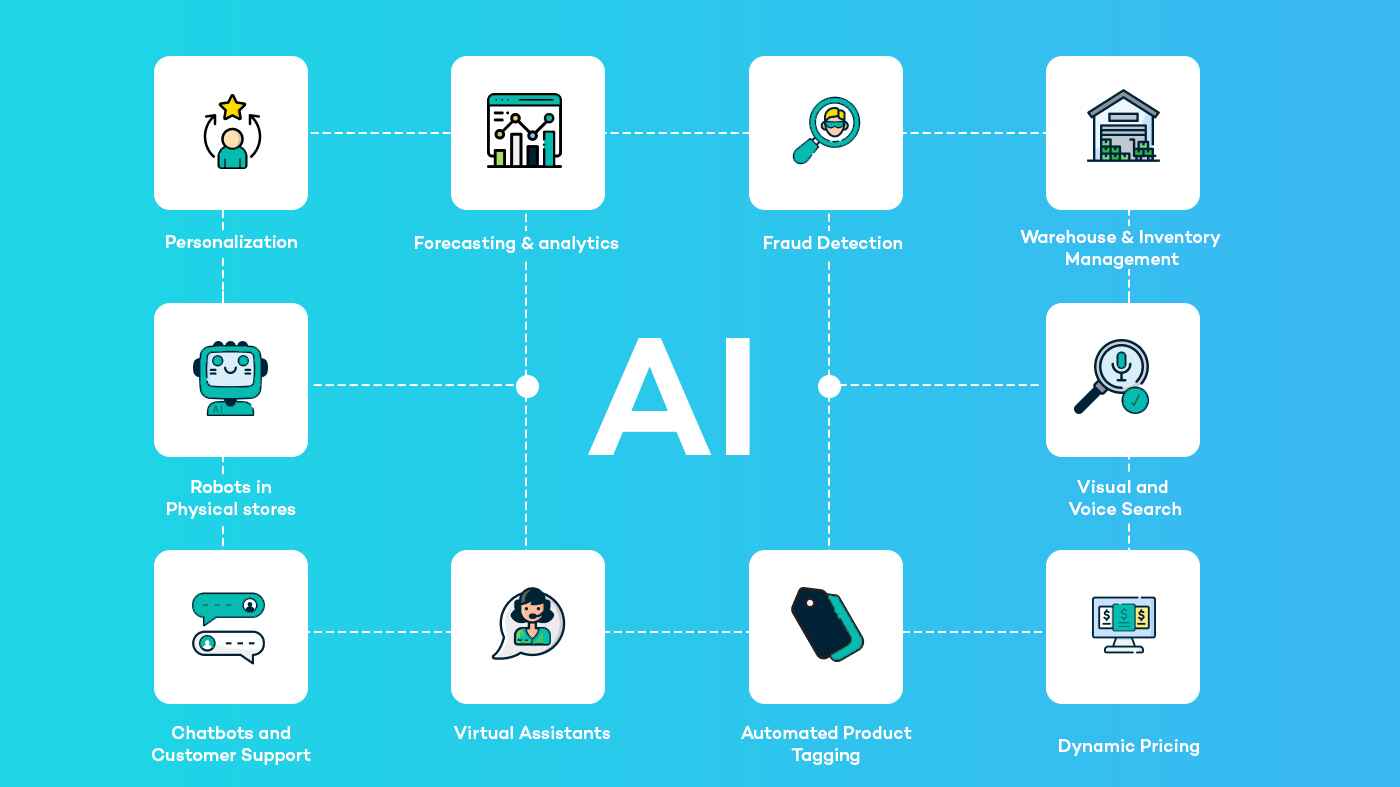
Why AI Analytics Matters in Modern E-Commerce
AI in e-commerce is more than a tech trend it’s now central to strategic growth. Here's why it matters today:
Key Benefits:
-
Personalization at Scale: AI analyzes browsing behavior, past purchases, and preferences to create hyper-personalized experiences for each customer.
-
Inventory Optimization: Predictive analytics forecast demand more accurately, helping reduce overstock and stockouts.
-
Enhanced Customer Retention: AI models identify churn risks and suggest timely engagement strategies.
-
Dynamic Pricing: Real-time market and competitor analysis allows pricing to adjust automatically to maximize revenue.
-
Fraud Prevention: AI systems detect unusual transaction patterns to reduce payment fraud and return abuse.
Who It Affects:
Online Retailers: From small D2C brands to global marketplaces
Marketing Teams: For campaign targeting and performance analysis
Supply Chain Managers: For demand forecasting and fulfillment
Consumers: Who receive more relevant recommendations and seamless shopping experiences
AI analytics creates a more efficient and responsive e-commerce environment that benefits both businesses and consumers.
Key Trends and Updates
The landscape of AI in e-commerce analytics is evolving rapidly. Below are some of the most relevant updates from the past year:
1. Rise of Generative AI in Customer Interaction (2024)
Chatbots and virtual assistants powered by generative AI (like OpenAI’s ChatGPT or Google Gemini) are now being integrated into customer analytics platforms to understand and respond to customer feedback.
2. AI-Powered Visual Search
Tools like Google Lens and Pinterest Lens are using AI to analyze images and match products, improving conversion rates by streamlining product discovery.
3. Zero-Party Data Adoption (2024–2025)
Due to stricter privacy laws, e-commerce companies are shifting to zero-party data—information that users willingly provide (e.g., quizzes or preference surveys). AI uses this to personalize without violating data policies.
4. Automated Return Predictions
Many retailers now use AI to flag potential high-return products and customer segments to reduce losses associated with product returns.
| Trend | Description | Use Case |
|---|---|---|
| Generative AI Chatbots | Handles customer inquiries using natural language | Post-sale support, order tracking |
| Visual Search | Identifies products through image analysis | Faster product discovery |
| Zero-Party Data | User-consented data collection | Privacy-compliant personalization |
| Return Forecasting | Predicts product return risk | Inventory and refund management |
Regulations and Data Privacy Concerns
AI-powered e-commerce analytics is shaped heavily by national and international data protection laws. Compliance is crucial for legal and ethical AI use.
Key Laws Affecting AI in E-Commerce:
GDPR (EU): Requires businesses to explain how they process customer data and obtain explicit consent for analytics tracking.
CCPA (California, USA): Gives consumers the right to know what data is collected and opt out of data selling.
DPDP Act (India, 2023): Introduces consent-based data processing and mandates transparency in AI decision-making.
AI Act (EU, Ongoing 2025): Classifies AI systems by risk level. High-risk systems (like fraud detection or facial recognition) must meet strict transparency and security guidelines.
Retailers must ensure:
-
Transparent data collection policies
-
Opt-in consent for tracking and profiling
-
Algorithmic explainability when AI is used to make decisions
Failing to comply can lead to penalties and loss of consumer trust.
Essential Tools and Platforms in AI E-Commerce Analytics
There are several platforms and tools helping e-commerce businesses harness the power of AI. Below are some commonly used systems:
AI-Powered Analytics Platforms:
Google Analytics 4
Advanced machine learning models predict user behavior and customer lifecycle stages.
Shopify Analytics + Shopify Magic
Offers automated insights on sales, returns, and traffic with predictive suggestions.
Adobe Commerce AI (Magento)
Delivers AI-driven product recommendations, visual search, and customer segmentation.
Tableau with Einstein AI (Salesforce)
Integrates visual dashboards with AI to offer actionable insights.
Supporting Tools:
Hotjar – Behavioral heatmaps and AI-assisted customer journey mapping
Kissmetrics – Tracks customer cohorts and lifetime value using predictive models
Optimizely – AI-powered A/B testing and personalization
Clerk.io – Real-time search and recommendation engine for e-commerce
| Tool | Use Case | AI Feature |
|---|---|---|
| Google Analytics 4 | Traffic + conversion tracking | Predictive metrics |
| Shopify Magic | Store-level insights | AI-powered reports & automation |
| Tableau + Einstein | Business intelligence | Predictive modeling |
| Clerk.io | Search & recommendation | Real-time personalization |
Frequently Asked Questions (FAQs)
1. What is AI in e-commerce analytics?
AI in e-commerce analytics refers to the use of machine learning algorithms and automation to analyze consumer data and support smarter business decisions in online retail environments.
2. Is AI analytics only for large retailers?
No. While large retailers benefit from advanced tools, many affordable and user-friendly AI tools exist for small and medium-sized e-commerce businesses.
3. How does AI improve customer experience?
AI personalizes product recommendations, optimizes website content, and enables faster, more accurate customer support via chatbots and voice assistants.
4. Are there privacy risks in using AI analytics?
Yes. If AI is used without proper consent or data protection measures, it can lead to privacy violations. Always ensure compliance with relevant laws like GDPR or CCPA.
5. What skills are needed to use AI tools in e-commerce?
Basic understanding of data analytics, customer behavior, and familiarity with digital tools is helpful. However, most platforms now offer no-code or low-code solutions.
Conclusion: Strategic Insights for a Smarter E-Commerce Future
AI in e-commerce analytics is revolutionizing how online businesses understand and respond to consumer behavior. With its ability to predict trends, personalize at scale, and enhance operational efficiency, AI helps companies stay competitive in a fast-evolving market.
As regulations become stricter and customer expectations grow, responsible use of AI with transparency and compliance is more important than ever. Whether you're a small business or a global retailer, understanding and leveraging AI in analytics is a strategic step toward sustainable growth.