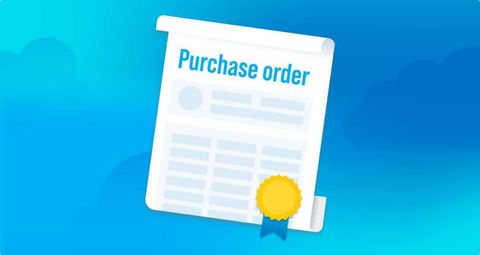
Accounts Payable Guide: Vendor Records, Payment Controls, and Corporate Accounting
Accounts payable (AP) represents amounts a business owes to vendors and other suppliers for goods or services received but not yet paid. Effective accounts-payable management helps organizations maintain accurate vendor records, process invoices, authorize payments, reconcile transactions, and support reliable financial reporting.
A structured AP process connects purchasing documentation, invoice verification, payment approvals, accounting records, and financial controls.
Understanding Accounts Payable
Accounts-payable activities commonly include:
Recording supplier invoices
Maintaining vendor records
Verifying invoice information
Matching invoices with supporting documents
Approving payments
Recording payments
Reconciling vendor accounts
Monitoring outstanding obligations
Supporting financial reporting
Procedures vary according to the organization's accounting policies, purchasing processes, and applicable requirements.
Why Accounts Payable Matters
Effective AP management can help organizations:
Maintain accurate financial records
Monitor outstanding obligations
Improve payment visibility
Reduce accounting errors
Support cash-flow planning
Strengthen financial controls
Improve vendor-account organization
Support accurate reporting
Accounts-payable information also provides insight into the timing of expected cash outflows.
Vendor Records
Accurate vendor records are an important part of AP management.
Vendor information may include:
Legal business name
Contact information
Payment details
Tax-related information
Contract information
Payment terms
Account identifiers
Relevant supporting documentation
Access to sensitive vendor information should be appropriately controlled.
Invoice Processing
Invoice processing involves receiving, reviewing, recording, and approving supplier invoices.
Organizations may verify:
Vendor identity
Invoice number
Invoice date
Purchase order information
Description of goods or services
Quantities
Amounts
Applicable taxes
Payment terms
Due date
Consistent invoice processing helps reduce duplicate or inaccurate records.
Three-Way Matching
Many organizations use three-way matching to compare:
Purchase order
Receiving documentation
Supplier invoice
The purpose is to verify that the goods or services ordered and received correspond with the amount invoiced before payment is authorized.
The exact control process depends on the organization's purchasing and accounting procedures.
Payment Controls
Payment controls help ensure that authorized obligations are paid accurately and appropriately.
Common controls include:
Invoice approval
Payment authorization
Segregation of duties
Vendor verification
Bank-account controls
Payment-limit controls
Dual approval for certain transactions
Supporting documentation
Well-designed controls can reduce the risk of unauthorized or erroneous payments.
Vendor Reconciliation
Accounts-payable reconciliation compares vendor records with the organization's accounting records.
A reconciliation may involve:
Reviewing vendor balances
Comparing invoices
Matching recorded payments
Investigating discrepancies
Correcting appropriate records
Confirming outstanding obligations
Regular reconciliation supports reliable financial information.
Accounts Payable and Cash Flow
Accounts payable affects the timing of business cash outflows. An expense or liability may be recognized according to applicable accounting rules before the related payment is made.
Organizations may monitor:
Outstanding invoices
Payment due dates
Vendor payment terms
Expected cash requirements
Upcoming obligations
This information can support short-term cash-flow planning.
Financial Reporting
Accounts-payable information contributes to accounting records and financial reporting.
Common reports include:
Outstanding invoice reports
Vendor balance reports
Payment reports
AP aging reports
Reconciliation reports
Expense reports
Cash-flow reports
Financial statements
Accurate AP records help support the reliability of broader financial information.
Internal Controls
Organizations may establish internal controls covering:
Invoice approvals
Vendor creation and changes
Payment authorization
Access management
Segregation of duties
Bank reconciliations
Duplicate-payment detection
Supporting documentation
Controls should be proportionate to the organization's size, complexity, and risk profile.
Accounts Payable Technology
Modern accounting platforms may support:
Electronic invoicing
Automated invoice capture
Optical character recognition
Approval workflows
Payment scheduling
Duplicate-invoice detection
Vendor portals
Bank integration
Reconciliation
AP reporting dashboards
Automation can reduce repetitive processing while human review remains important for exceptions and unusual transactions.
Common Accounts Payable Challenges
Organizations may encounter:
Duplicate invoices
Incorrect vendor information
Missing supporting documents
Incorrect invoice amounts
Unauthorized payment requests
Delayed approvals
Reconciliation differences
Duplicate payments
Inconsistent payment terms
Regular reviews can help identify these issues and improve accounting accuracy.
Accounts Payable Best Practices
Organizations can strengthen AP management by:
Maintaining accurate vendor records.
Standardizing invoice-processing procedures.
Verifying invoices before approval.
Using appropriate authorization controls.
Separating invoice processing from payment authorization where practical.
Reconciling vendor accounts regularly.
Monitoring outstanding obligations.
Reviewing unusual payment activity.
Maintaining secure payment information.
Keeping complete supporting documentation.
Accounts Payable Checklist
Maintain accurate vendor records.
Record invoices consistently.
Verify invoice information.
Match supporting purchasing documents where applicable.
Obtain appropriate approvals.
Apply payment controls.
Reconcile vendor accounts.
Monitor outstanding obligations.
Review unusual transactions.
Maintain supporting accounting documentation.
Frequently Asked Questions
What is accounts payable?
Accounts payable is the amount a business owes vendors or suppliers for goods or services received but not yet paid.
Why are vendor records important?
Accurate vendor records help organizations identify suppliers correctly, process invoices, maintain payment information, and support reliable accounting records.
What is three-way matching?
Three-way matching is a control process that compares a purchase order, receiving documentation, and supplier invoice before payment is authorized.
Why are payment controls important?
Payment controls help organizations verify that transactions are authorized, accurate, properly documented, and consistent with established financial procedures.
How does accounts payable affect cash flow?
Accounts payable represents obligations that generally result in future cash outflows. Monitoring outstanding invoices and due dates can therefore support cash-flow planning.
Conclusion
Accounts payable management connects vendor records, invoice processing, payment controls, reconciliation, cash-flow planning, and corporate accounting. Accurate records and appropriate controls can help organizations maintain reliable financial information while reducing processing errors and payment risks.
Because accounting and financial-reporting requirements vary according to jurisdiction, accounting standards, business structure, and industry, organizations should establish AP procedures appropriate to their circumstances and seek qualified professional guidance when necessary.
Disclaimer
This article is provided for general educational and informational purposes only and does not constitute accounting, tax, legal, investment, or financial advice. Accounts-payable procedures and reporting requirements vary according to applicable accounting standards, jurisdiction, business structure, and individual circumstances. Consult qualified professionals for situation-specific guidance.

Related Post...

Corporate Treasury Management Guide: Cash Forecasting, Liquidity, or Risk Planning
Updated: September 18, 2026
Read More
Corporate Treasury Management Guide: Cash Forecasting, Liquidity, and Risk Planning
Updated: September 16, 2026
Read More
Corporate Communications Guide: Stakeholder Messaging, Reputation, and Business Planning
Updated: September 16, 2026
Read More