A Professional Guide to Aggregate Processing Equipment: Advanced Processing Technologies and Industry Best Practices
Aggregate processing equipment includes the machines and systems used to transform raw rock, sand, and gravel into graded construction materials.
These materials are widely used in roads, bridges, railways, buildings, drainage systems, airports, and other infrastructure projects. Aggregate processing involves several stages, including crushing, screening, washing, conveying, and stockpiling, each supported by specialized equipment.
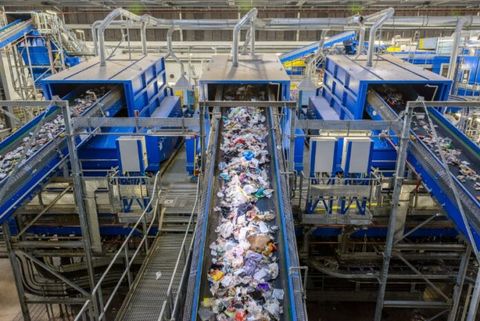
Aggregate processing plants combine multiple machines into a coordinated production line. Depending on the material source and desired output, a plant may include aggregate crushing equipment, aggregate screening equipment, aggregate washing equipment, feeders, conveyors, storage systems, and automated controls. Together, these systems prepare aggregates that meet engineering and construction specifications.
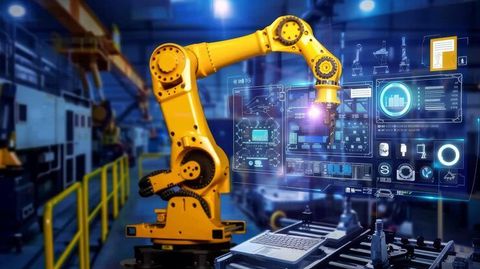
Modern facilities increasingly incorporate aggregate plant automation systems that monitor production, equipment condition, and material flow. Some operations also integrate Industry 4.0 aggregate processing technologies and AI-powered aggregate processing systems to improve operational visibility, maintenance planning, and production efficiency. In large industrial projects, turnkey aggregate processing solutions combine equipment, automation, electrical systems, and plant layout into one integrated processing facility.
How Aggregate Processing Developed
Historically, aggregates were produced using basic mechanical crushers and manually operated screens. As construction demand increased, processing plants became larger, more automated, and capable of producing several aggregate grades simultaneously.
Advances in engineering, wear-resistant materials, digital monitoring, and process automation have transformed aggregate processing equipment into sophisticated industrial systems capable of operating continuously under demanding conditions.
Main Components of Aggregate Processing Plants
Aggregate production facilities typically include several major processing stages.
Common equipment includes:
- Aggregate crushing equipment
- Aggregate screening equipment
- Aggregate washing equipment
- Feed hoppers
- Vibrating feeders
- Belt conveyors
- Stockpile systems
- Dust suppression equipment
- Water recycling units
- Plant automation controls
Each component performs a specific role within the complete production process.
Importance
Supporting Infrastructure Development
Aggregates form the foundation of many construction projects. Roads, buildings, bridges, tunnels, airports, and railways all depend on properly processed stone, sand, and gravel.
Aggregate processing equipment helps transform raw materials into products suitable for these applications.
Producing Consistent Materials
Construction projects often require aggregates within specific size ranges and cleanliness standards. Aggregate screening equipment separates materials into different size categories, while aggregate washing equipment removes unwanted fine particles and impurities.
Consistent materials help engineers meet project specifications.
Improving Processing Efficiency
Modern aggregate processing plants coordinate crushing, screening, washing, and conveying in one continuous operation.
Efficient material flow reduces unnecessary handling and supports stable production throughout the facility.
Supporting Recycling Activities
Many processing plants also handle recycled concrete, asphalt, and demolition materials. Aggregate crushing equipment reduces recycled materials into usable sizes before screening and cleaning.
Recycled aggregates can contribute to various construction applications depending on local engineering requirements.
Enhancing Operational Visibility
Aggregate plant automation systems allow operators to monitor production rates, equipment condition, and operational performance through centralized control systems.
Digital monitoring supports maintenance planning and production management.
Main Categories of Aggregate Processing Equipment
Aggregate Crushing Equipment
Aggregate crushing equipment performs the initial reduction of large rocks or recycled materials into smaller sizes.
Common crushers include jaw crushers, cone crushers, impact crushers, and gyratory crushers. Different crusher types are selected according to material hardness and production goals.
Aggregate Screening Equipment
Aggregate screening equipment separates crushed materials into different size fractions.
Vibrating screens, multi-deck screens, and inclined screens classify material according to engineering specifications. Oversized materials may return for additional crushing.
Aggregate Washing Equipment
Aggregate washing equipment removes clay, silt, dust, and fine particles from aggregates.
Common washing systems include log washers, sand washers, scrubbers, and dewatering screens. These systems improve material cleanliness before stockpiling or transport.
Material Handling Equipment
Conveyors move materials between different processing stages.
Feeders regulate incoming material flow while stackers organize finished aggregates into storage areas.
Automation Systems
Modern aggregate processing plants often include digital control systems that coordinate equipment operation, monitor sensors, and display production information.
Automation supports consistent operation across the entire facility.
Comparison of Major Aggregate Processing Equipment
| Equipment Type | Primary Function | Typical Applications |
|---|---|---|
| Aggregate crushing equipment | Reduce material size | Quarrying, mining |
| Aggregate screening equipment | Separate material sizes | Aggregate production |
| Aggregate washing equipment | Remove impurities | Sand and gravel processing |
| Feeders | Control material flow | Crushing plants |
| Conveyors | Transport materials | Processing facilities |
| Automation systems | Monitor plant operation | Integrated production |
Each equipment category supports a different stage of aggregate production.
Typical Aggregate Processing Flow
| Production Stage | Main Equipment | Purpose |
|---|---|---|
| Material feeding | Feed hopper and feeder | Controls material supply |
| Primary crushing | Jaw or gyratory crusher | Initial size reduction |
| Secondary crushing | Cone or impact crusher | Further material refinement |
| Screening | Vibrating screens | Size classification |
| Washing | Washing equipment | Material cleaning |
| Stockpiling | Conveyors and stackers | Finished material storage |
This sequence illustrates how aggregate processing plants convert raw materials into construction aggregates.
Recent Updates
Greater Plant Automation
Between 2024 and 2026, aggregate plant automation systems have continued expanding throughout the aggregate industry. Digital control platforms allow operators to monitor production, equipment condition, and plant performance from centralized control rooms.
Automation also assists with production reporting and equipment coordination.
Industry 4.0 Integration
Industry 4.0 aggregate processing technologies increasingly connect crushers, screens, conveyors, and sensors through industrial communication networks.
Connected systems provide operational data that supports maintenance planning and process optimization.
AI-Based Monitoring
AI-powered aggregate processing systems are becoming more common in larger processing facilities.
These technologies analyze equipment performance, vibration, production rates, and material flow to identify operating patterns and assist with maintenance planning.
Improved Wear Components
Crusher liners, screen media, conveyor components, and washing equipment continue to benefit from improvements in wear-resistant materials.
These developments contribute to longer equipment operating intervals under demanding processing conditions.
Water Management Technologies
Aggregate washing equipment increasingly incorporates water recycling systems that allow plants to recover process water and reduce overall water consumption.
These systems support more efficient resource management.
Laws or Policies
Workplace Safety Regulations
Aggregate processing plants operate under industrial safety regulations covering machine guarding, electrical systems, dust management, and worker protection.
Operators follow safety procedures appropriate for heavy industrial equipment.
Environmental Requirements
Processing facilities may be subject to environmental regulations related to air quality, dust emissions, water management, waste handling, and noise control.
Requirements differ between regions and regulatory authorities.
Mining and Quarry Regulations
Aggregate production sites generally follow mining or quarry regulations governing extraction, processing, environmental management, and land rehabilitation.
These rules help guide industrial operations.
Construction Material Standards
Aggregates produced by processing plants may be evaluated according to construction standards that specify particle size, cleanliness, strength, and durability for engineering applications.
Quality testing helps verify compliance with project specifications.
Machinery Standards
Industrial processing equipment is commonly manufactured according to engineering standards covering mechanical integrity, electrical systems, hydraulic components, and operational safety.
Tools and Resources
Several educational resources help engineers, students, operators, and researchers understand aggregate production systems.
Useful resources include:
- Aggregate production manuals
- Mining engineering textbooks
- Mineral processing references
- Construction material standards
- Equipment maintenance guides
- Engineering calculation software
- Industrial safety publications
- Government mining authorities
- Water management references
- Technical journals covering aggregate processing
These resources explain plant design, equipment selection, maintenance practices, and production management.
FAQs
What is aggregate processing equipment?
Aggregate processing equipment includes crushers, screens, washing systems, conveyors, feeders, and automation technologies used to prepare stone, sand, and gravel for construction applications.
What equipment is commonly found in aggregate processing plants?
Aggregate processing plants commonly include aggregate crushing equipment, aggregate screening equipment, aggregate washing equipment, conveyors, feeders, storage systems, and plant automation controls.
Why is aggregate washing equipment important?
Aggregate washing equipment removes unwanted fine particles, clay, and other impurities to produce cleaner materials suitable for construction and engineering projects.
What are aggregate plant automation systems?
Aggregate plant automation systems use digital controls, sensors, and monitoring software to coordinate equipment operation, monitor production, and display operational information.
How do AI-powered aggregate processing systems support plant operation?
AI-powered aggregate processing systems analyze production data, equipment condition, vibration, and material flow to support maintenance planning and operational monitoring.
Conclusion
Aggregate processing equipment plays a vital role in preparing construction materials used throughout modern infrastructure. Aggregate processing plants combine aggregate crushing equipment, aggregate screening equipment, aggregate washing equipment, conveyors, and automation technologies into integrated production systems. Industry 4.0 aggregate processing and AI-powered aggregate processing systems continue to improve monitoring, operational visibility, and equipment management. Understanding these technologies provides valuable insight into how raw materials are transformed into consistent aggregates for engineering and construction projects.

Related Post...
UV Water Systems Insights: Improving Water Safety, Treatment Efficiency, and System Reliability
Updated: August 11, 2026
Read More
Industry 4.0 Technologies: An Informative Guide to Modern Manufacturing Basics
Updated: September 07, 2026
Read More
AI-Powered Data Labeling Tools: Explore Annotation Methods, AI Models, Automation and Data Quality
Updated: October 03, 2026
Read More