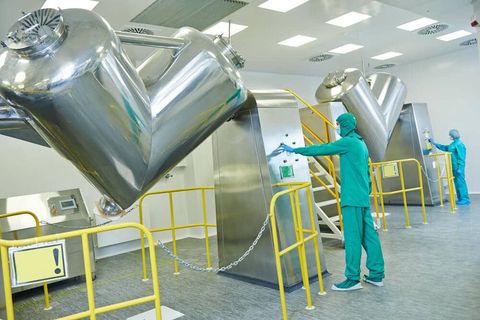
The manufacturing process exists to create cables that can withstand environmental stress, carry safe electrical loads, and provide long-term performance. Over time, demand has expanded due to advances in automation, renewable energy, electric vehicles, and digital connectivity.
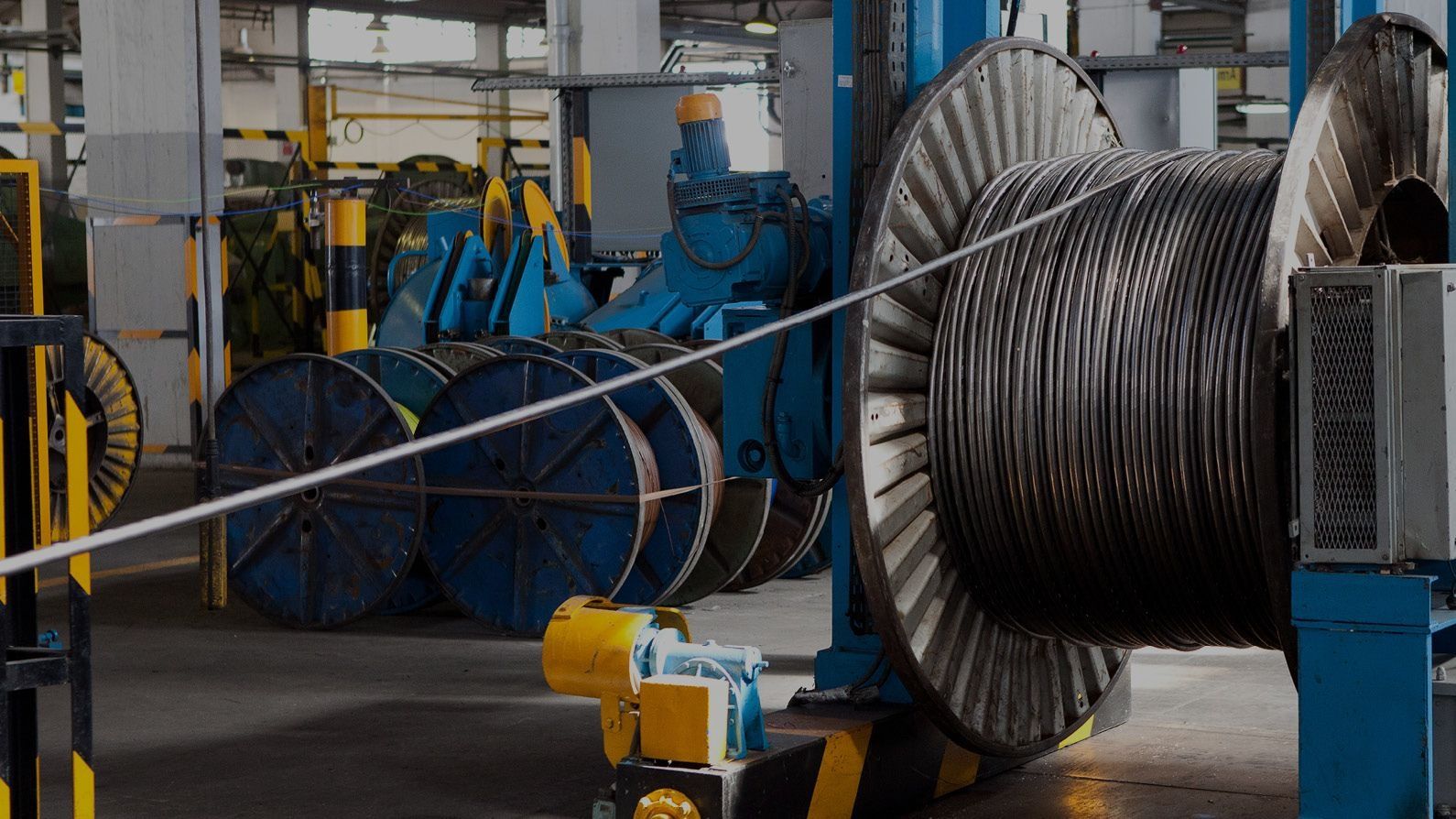
Modern cable production includes several steps such as wire drawing, stranding, insulation, sheathing, armoring, and quality testing. Each step ensures that the cables meet required safety, performance, and durability standards. Manufacturers use automated and semi-automated equipment to maintain consistent quality and efficiency.
Importance – Why Cable Manufacturing Matters Today
Cables play a critical role in energy distribution, communication, industrial automation, and smart infrastructure. Their importance continues to grow due to several factors:
Supports Critical Infrastructure
Power grids, internet systems, telecom networks, and transportation all depend on reliable cables. Without them, essential services cannot function.
Enables Digital and Industrial Growth
Industries rely on specialized cables such as fiber-optic lines, instrumentation cables, and high-voltage cables to support automation, data transfer, and machine connectivity.
Enhances Safety and Efficiency
Properly manufactured cables minimize electrical hazards, prevent energy loss, and improve system performance.
Affects Multiple Sectors
Cable manufacturing impacts:
-
Construction and real estate
-
Automotive and EV manufacturing
-
Renewable energy (solar, wind, hydro)
-
IT and networking
-
Consumer electronics
-
Industrial machinery and robotics
Solves Key Challenges
A well-defined cable manufacturing process helps overcome problems like:
-
Electrical short circuits
-
Poor signal quality
-
Mechanical damage
-
Weather or chemical exposure
-
Inconsistent performance in high-load systems
Recent Updates – Key Trends and Changes in the Past Year
Several developments have shaped the cable manufacturing industry recently:
Shift Toward High-Performance and Eco-Friendly Materials (2024–2025)
Manufacturers are increasingly using halogen-free, flame-retardant, and recyclable insulation materials. This is influenced by global environmental and safety standards.
Growth of Fiber-Optic Cable Demand (2024)
With expanding 5G networks and high-speed internet access, fiber-optic cable production saw significant growth in 2024, especially in Asia and Europe.
Automation and AI in Production Lines (Late 2023–2024)
Automated testing systems, AI-based quality inspection, and predictive maintenance tools are now more common in large cable plants.
Rise in EV and Renewable Energy Cable Requirements (2024–2025)
Electric vehicle charging infrastructure and solar installations increased demand for high-voltage, heat-resistant, and weatherproof cables.
Improved Testing Standards Introduced in Several Countries (2024)
Updates include:
-
Improvements in fire-resistance testing
-
More stringent dielectric strength requirements
-
New labeling and tracking guidelines
These changes aim to enhance traceability, safety, and long-term reliability.
Laws or Policies – Regulations Affecting Cable Manufacturing
Cable manufacturing is heavily regulated because cable quality directly impacts safety. While rules vary by country, most regions follow similar standards.
Common Regulatory Areas
-
Electrical safety standards: Set performance requirements for current capacity, insulation, and fire resistance.
-
Material standards: Restrict harmful chemicals like lead, PVC additives, and halogens in public-use cables.
-
Environmental compliance: Includes guidelines under RoHS, REACH, or local environmental laws.
-
Fire safety regulations: Mandate flame-retardant or low-smoke cable types in buildings.
-
Industry-specific regulations: Telecom, aerospace, automotive, and healthcare industries have additional specialized standards.
Examples of Country-Level Policies
-
India: BIS (Bureau of Indian Standards) requires IS certification for most power and building cables.
-
United States: NEC (National Electrical Code) sets installation and performance guidelines.
-
European Union: EN and IEC standards apply to material safety, testing, and quality checks.
-
Middle East: GCC regional standards for fire-resistant and low-smoke cables are widely enforced.
Regulations ensure that cables are safe, durable, and suitable for their intended use.
Tools and Resources – Helpful Technologies and Services
Manufacturers, engineers, and students can benefit from tools and online resources related to cable production.
Cable Manufacturing Tools and Machines
-
Wire drawing machines: Reduce the diameter of copper or aluminum wire.
-
Stranding machines: Twist multiple wires together for flexibility.
-
Extrusion lines: Apply insulation and outer sheathing.
-
Armoring machines: Add protective steel layers for underground or industrial cables.
-
Spark and voltage testers: Ensure insulation integrity.
-
Length meters and cutters: Provide accurate cable sizing.
-
Automatic coiling machines: Package cables efficiently.
Useful Online Tools and Websites
| Resource | Purpose |
|---|---|
| Voltage Drop Calculators | Helps determine correct conductor size |
| Cable Current Capacity Charts | Guides safe load selection |
| IEC & ISO Standards Websites | Access to international regulations |
| Material Databases | For insulation and conductor specs |
| Cable Resistance Calculators | For power-loss analysis |
Industry Software & Apps
-
AutoCAD Electrical: Cable layout planning
-
EPLAN Electric P8: Industrial wiring design
-
Cabling Calculator Apps: Quick sizing and load calculations
-
ERP/MRP Systems: Manage production workflows
-
Testing and QA software: For inspection documentation
FAQs
1. What materials are commonly used in cable manufacturing?
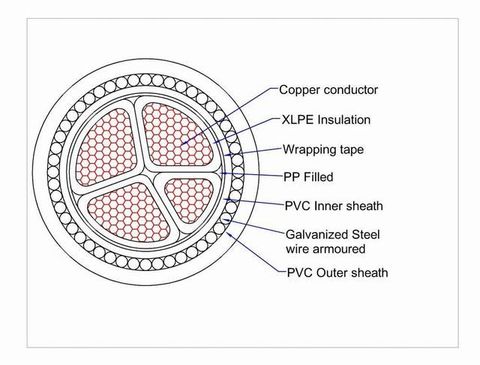
Most cables use copper or aluminum conductors, along with insulation materials such as PVC, XLPE, PE, rubber, or halogen-free compounds. The outer sheath may include PVC, PE, or protective armor depending on the application.
2. What is the difference between insulation and sheathing?
Insulation protects the conductor from electrical leakage, while the outer sheath provides mechanical and environmental protection. Both are essential for cable performance.
3. How are cables tested for quality?
Cables undergo tests such as spark testing, tensile strength checks, flame-retardant tests, voltage withstand tests, conductor resistance measurement, and insulation thickness checks to ensure compliance with standards.
4. Why are fiber-optic cables gaining popularity?
They offer higher data transfer speeds, greater bandwidth, and better immunity to interference compared to metal-based cables. They are widely used in telecom and high-speed internet infrastructure.
5. What factors determine the lifespan of a cable?
Lifespan depends on material quality, environmental conditions, electrical load, installation method, and maintenance. High-quality cables installed correctly generally last longer.
Final Thoughts
Cable manufacturing is a highly technical yet essential process that supports almost every modern industry. With growing demand for power, communication, and digital infrastructure, cables continue to play a central role in development and innovation. Understanding manufacturing techniques and tools helps ensure safer installations, better performance, and long-term reliability. As trends shift toward environmentally friendly materials and advanced automation, the industry is becoming more efficient and future-ready.
This overview provides a solid foundation for anyone wanting to understand how cables are made, what tools are used, and how regulations guide quality and safety.