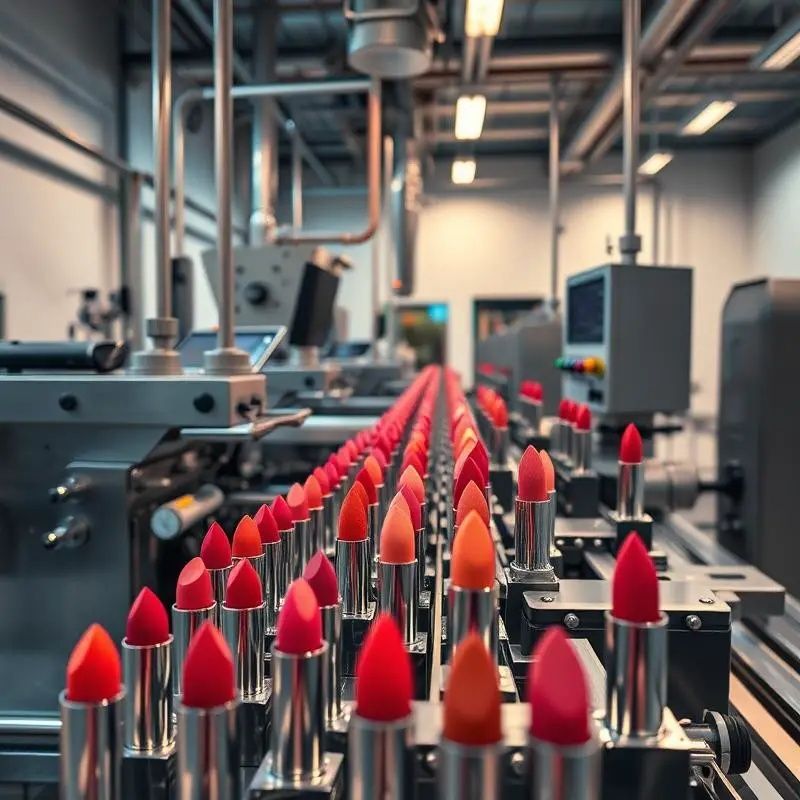
From traditional wax-based formulas to innovative liquid and hybrid lip products, the lipstick manufacturing process combines chemistry, artistry, and technology. The industry involves several key steps: ingredient sourcing, formulation, color testing, packaging, and quality control. Over time, manufacturers have adapted to evolving consumer preferences—such as the rise in vegan, organic, and cruelty-free cosmetics.
Importance
The lipstick industry is more than just a segment of the beauty market—it reflects social trends, technological progress, and economic activity. Its importance can be seen in several ways:
-
Cultural and emotional impact: Lipstick symbolizes self-expression and confidence across cultures.
-
Economic significance: The global lipstick market contributes billions to the cosmetics industry each year, supporting research, production, and packaging sectors.
-
Innovation driver: Manufacturers continuously experiment with long-lasting, hydrating, and sustainable formulations to meet changing preferences.
-
Sustainability efforts: Growing environmental awareness has led to the development of biodegradable packaging and ethically sourced ingredients.
The topic affects multiple groups—consumers, cosmetic scientists, environmental advocates, and regulatory bodies. By addressing challenges such as ingredient safety and sustainability, lipstick manufacturers help shape the future of responsible beauty.
Recent Updates
The lipstick manufacturing landscape has evolved rapidly over the past year (2024–2025). Several notable trends and developments have shaped this transformation:
-
Rise of eco-friendly materials (2024): Manufacturers are increasingly turning to plant-based waxes, natural pigments, and recyclable packaging to reduce environmental impact.
-
Technological advancement (2025): AI-driven color formulation tools and data analytics are being used to predict popular shades and customize products for diverse skin tones.
-
Sustainability certifications (2025): Labels such as “carbon neutral” and “plastic-free” are now appearing on lipstick packaging, reflecting manufacturers’ commitment to transparency.
-
Return of bold colors (2024): After several years of minimalism, global fashion trends have brought back bright reds, deep plums, and metallic finishes.
-
Increased digital integration (2025): Virtual try-on apps and augmented reality tools allow customers to visualize lipstick shades before purchase, influencing production strategies.
The global lipstick market has remained resilient despite shifts in consumer spending, driven by digital marketing, eco-conscious innovation, and cultural demand for beauty expression.
Laws or Policies
Regulations surrounding lipstick manufacturing are strict, as products are applied directly to the skin and sometimes ingested in trace amounts. Laws differ across regions, but several international and national frameworks guide safe production and labeling:
-
U.S. Food and Drug Administration (FDA): Oversees cosmetic safety under the Federal Food, Drug, and Cosmetic Act. All color additives must be approved and tested for safety.
-
European Union (EU) Cosmetic Regulation (EC No. 1223/2009): Ensures lipstick ingredients are non-toxic, properly labeled, and not tested on animals.
-
ISO Standards (International): Provide guidelines for product stability, quality control, and microbiological safety in cosmetics manufacturing.
-
Animal testing bans: Many countries, including Canada, the UK, and Australia, have banned or restricted cosmetic testing on animals.
-
Sustainability reporting: Increasingly, governments are requiring transparency about carbon footprints and ingredient sourcing, encouraging manufacturers to publish sustainability reports.
Compliance with these policies not only ensures consumer safety but also builds trust and promotes ethical manufacturing practices.
Tools and Resources
A variety of tools and resources help professionals, researchers, and students understand lipstick manufacturing more deeply:
-
Cosmetic formulation software: Platforms like Formulator and Cosmetri assist in creating and testing formulations virtually.
-
Ingredient safety databases: Websites such as the Environmental Working Group (EWG) Skin Deep database and EU CosIng database provide ingredient profiles and safety data.
-
Online color-matching tools: AI-powered tools predict optimal shade combinations for diverse skin tones.
-
Regulatory portals: Official sites like FDA.gov and Europa.eu offer up-to-date guidelines on cosmetic safety standards.
-
Research journals: Publications like the International Journal of Cosmetic Science publish peer-reviewed studies on lipstick innovations, color stability, and sensory analysis.
-
Educational courses: Universities and online platforms offer short courses in cosmetic chemistry and sustainable packaging design.
FAQs
What ingredients are commonly used in lipstick?
Typical ingredients include waxes (such as beeswax or candelilla), oils (like castor or jojoba), pigments, and emollients. These components give lipstick its texture, color, and smooth application.
How do lipstick manufacturers ensure product safety?
Manufacturers conduct stability testing, microbiological screening, and color additive verification under strict regulatory guidelines before releasing a product to the market.
What are sustainable lipsticks?
Sustainable lipsticks are made using natural, ethically sourced ingredients and packaged in recyclable or biodegradable materials, reducing environmental impact.
Are animal-derived ingredients still used in lipsticks?
Some traditional formulas use ingredients like beeswax or carmine. However, many modern brands are adopting vegan alternatives such as plant waxes and synthetic pigments.
How has technology changed lipstick production?
Advanced technology like artificial intelligence, automated filling systems, and 3D printing of molds has improved precision, consistency, and customization in production.
Example Table: Key Components of Modern Lipstick Formulation
| Component Type | Example Ingredients | Primary Function |
|---|---|---|
| Waxes | Beeswax, Candelilla, Carnauba | Provides structure and shape |
| Oils | Castor Oil, Jojoba Oil, Shea Butter | Adds moisture and smoothness |
| Pigments & Dyes | Iron Oxides, Carmine, Titanium Dioxide | Gives color and opacity |
| Emollients | Lanolin, Vitamin E, Esters | Enhances comfort and texture |
| Preservatives | Phenoxyethanol, Natural Extracts | Maintains product stability |
Conclusion
Lipstick manufacturers represent the intersection of science, beauty, and culture. Their work extends beyond creating a cosmetic product—they influence sustainability, safety standards, and consumer trends worldwide. The industry’s ongoing innovations in formulation, digital design, and ethical production show a clear shift toward more transparent and environmentally responsible practices.
As consumer awareness continues to grow, the lipstick industry is expected to further embrace green chemistry, digital color analysis, and global safety harmonization. Understanding how lipstick manufacturers operate offers insight into one of the most dynamic and creative segments of the global cosmetics market.