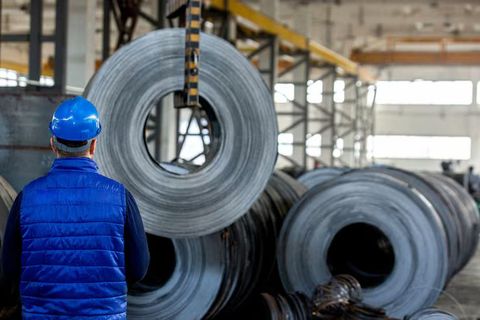
In recent years, the demand for carbon steel sheets has grown due to rapid urbanization, industrial expansion, and infrastructure development. With increased focus on durable and recyclable materials, carbon steel continues to be a preferred choice across industries. Additionally, advancements in production techniques—such as improved rolling methods and surface treatments—have enhanced the performance and lifespan of steel sheets.
Understanding the properties, uses, and benefits of carbon steel sheets is important for engineers, contractors, and procurement professionals. This knowledge supports better material selection, ensures compliance with standards, and improves long-term project efficiency.
Who It Affects and What Problems It Solves
Carbon steel sheets impact multiple industries, including construction, automotive manufacturing, shipbuilding, heavy machinery, and fabrication. Engineers rely on these sheets for structural strength, while manufacturers use them to produce components with consistent quality. Contractors and builders benefit from their affordability and availability in various sizes and grades.
Small workshops and large industrial plants alike depend on carbon steel sheets for fabrication and assembly processes. Their adaptability makes them suitable for both heavy-duty applications and lightweight structures.
Problems It Solves
- Lack of durable and strong materials for structural applications
- High material costs in large-scale projects
- Limited availability of versatile sheet materials
- Difficulty in welding and forming certain metals
- Reduced lifespan of low-quality materials
- Challenges in meeting industry standards
Carbon steel sheets address these issues by offering a balance of strength, affordability, and ease of processing.
Recent Updates and Trends
The carbon steel industry has experienced several developments over the past year. One key trend is the adoption of advanced manufacturing techniques that improve surface finish, dimensional accuracy, and mechanical properties. Hot-rolled and cold-rolled steel sheets are being optimized for specific applications, enhancing performance and efficiency.
Sustainability is another major focus, with increased emphasis on recycling and energy-efficient production methods. Steel is one of the most recyclable materials, and manufacturers are investing in technologies to reduce carbon emissions during production.
Additionally, the demand for high-strength low-alloy (HSLA) steel sheets is increasing, particularly in automotive and construction sectors, where weight reduction and durability are critical. Digital supply chain systems are also improving availability and pricing transparency in the market.
Types and Properties of Carbon Steel Sheets
| Type of Carbon Steel Sheet | Carbon Content Range | Key Properties | Common Applications |
|---|---|---|---|
| Low Carbon Steel | 0.05% – 0.25% | High ductility, easy to weld | Construction, pipelines |
| Medium Carbon Steel | 0.25% – 0.60% | Balanced strength and hardness | Machinery parts, automotive |
| High Carbon Steel | 0.60% – 1.0% | High strength, less ductility | Tools, cutting equipment |
| Cold-Rolled Steel Sheet | Low carbon typically | Smooth finish, precise dimensions | Appliances, automotive panels |
| Hot-Rolled Steel Sheet | Varies | Rough surface, cost-effective | Structural components |
Key Properties of Carbon Steel Sheets
- Strength: Higher carbon content increases strength and hardness
- Ductility: Lower carbon content improves flexibility and formability
- Weldability: Low carbon steel is easier to weld compared to high carbon steel
- Machinability: Suitable for cutting, drilling, and shaping
- Cost-Effectiveness: Generally more affordable than alloy or stainless steel
- Recyclability: Highly recyclable, supporting sustainable practices
These properties make carbon steel sheets adaptable to a wide range of industrial needs.
Laws or Policies and Practical Guidance
Carbon steel sheets are subject to national and international standards to ensure quality and safety. In India, standards are defined by the Bureau of Indian Standards (BIS), which specifies requirements for composition, mechanical properties, and testing methods. International standards such as ASTM and ISO are also widely used.
Environmental regulations are influencing steel production, encouraging manufacturers to adopt cleaner technologies and reduce emissions. Compliance with these standards is essential for both domestic and export markets.
Practical Guidance
- Use low carbon steel for applications requiring flexibility and welding
- Choose medium carbon steel for balanced strength and durability
- Select high carbon steel for tools and wear-resistant applications
- Opt for cold-rolled sheets when precision and surface finish are important
- Ensure compliance with BIS or ASTM standards before procurement
Proper selection based on application ensures performance and cost efficiency.
Tools and Resources
To support the use and selection of carbon steel sheets, several tools and resources are available:
- Material Selection Software: Helps engineers choose appropriate grades
- Load Calculation Tools: Determine strength requirements for structures
- Standards Documentation: Provides guidelines for quality and compliance
- Supplier Databases: Offer pricing and availability insights
- Testing Equipment: Ensures material quality and performance
- Training Programs: Provide knowledge on fabrication and welding techniques
These resources help improve decision-making and ensure efficient material usage.
Frequently Asked Questions
What are carbon steel sheets used for?
They are used in construction, automotive manufacturing, machinery, pipelines, and fabrication due to their strength and versatility.
What is the difference between hot-rolled and cold-rolled steel?
Hot-rolled steel is processed at high temperatures and is more cost-effective, while cold-rolled steel offers better surface finish and precision.
Are carbon steel sheets durable?
Yes, they are durable and strong, especially when properly treated and maintained.
Can carbon steel sheets be recycled?
Yes, carbon steel is highly recyclable and widely reused in manufacturing.
How do you choose the right type of carbon steel sheet?
Selection depends on factors such as strength requirements, flexibility, application type, and budget.
Conclusion
Carbon steel sheets are essential materials in modern industry, offering a balance of strength, versatility, and cost-effectiveness. Recent trends highlight improvements in manufacturing processes, sustainability initiatives, and the growing demand for high-performance steel grades.
By understanding the properties and applications of different types of carbon steel sheets, businesses can make informed decisions that enhance efficiency and reduce costs. Compliance with standards and proper material selection further ensures reliability and long-term performance.
Overall, carbon steel sheets remain a foundational material in construction and manufacturing, supporting infrastructure development and industrial growth.