In earlier production environments, fabric inspection relied heavily on manual checking, where workers visually examined materials under proper lighting conditions. Over time, this approach evolved into more systematic textile inspection processes supported by machines and digital tools. Today, textile inspection systems include both manual and automated textile inspection methods.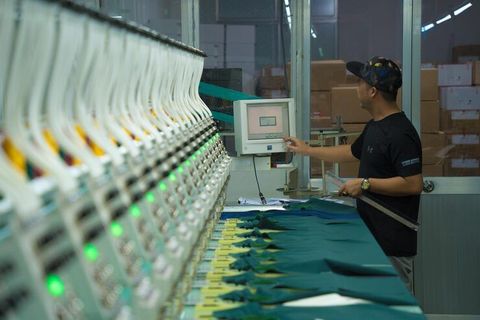
The purpose of these systems is to identify defects such as holes, stains, uneven weaving, or color variations before the material moves to the next stage of production. By detecting issues early, textile manufacturers can maintain quality control and reduce the chances of defective products reaching the final stage.
Importance
Textile inspection systems are important because they ensure that fabrics meet required quality standards before being used in garments, upholstery, or industrial applications. Textile quality control helps maintain consistency across production batches, which is essential for both manufacturers and end users.
These systems affect multiple areas of daily life. Consumers rely on durable and well-finished fabrics, while manufacturers depend on accurate fabric quality inspection to avoid production issues. Even small defects can impact the usability and appearance of textile products.
The importance of textile inspection systems can be understood through several aspects. First, defect detection helps prevent faulty materials from progressing further in production. Second, consistent inspection supports brand reliability and product uniformity. Third, structured textile defect analysis helps identify recurring issues and improve manufacturing processes over time.
Types of Textile Inspection Systems
Textile inspection systems can be broadly categorized based on how inspection is performed and the level of automation involved.
Manual Inspection Systems
Manual systems involve human operators who visually inspect fabric as it passes over an inspection table or machine.
- Suitable for small-scale production
- Flexible for different fabric types
- Dependent on operator skill and attention
Semi-Automated Systems
These systems combine human inspection with machine assistance, such as controlled fabric movement and lighting.
- Improve inspection consistency
- Reduce manual effort
- Still require human judgment
Automated Textile Inspection Systems
Automated textile inspection uses cameras, sensors, and software to detect fabric defects.
- Suitable for large-scale industrial textile inspection
- Capable of continuous monitoring
- Provide detailed textile defect analysis
Textile Inspection Process
The textile inspection process follows a structured workflow to ensure accurate fabric quality inspection.
Fabric Preparation
Before inspection begins, the fabric is properly aligned and prepared. This includes removing folds and ensuring smooth movement during inspection.
Inspection Stage
During this stage, the fabric passes through a fabric inspection machine or inspection setup. Defects such as holes, stains, or irregular patterns are identified.
Defect Recording
Detected issues are recorded for further analysis. This step is important for textile defect analysis and quality reporting.
Grading and Classification
Fabrics are classified based on defect severity and quality standards. This helps determine their suitability for different uses.
Common Fabric Defects
Understanding common defects is an essential part of textile inspection systems.
- Surface defects include stains, oil marks, or discoloration
- Structural defects include holes, tears, or broken yarns
- Weaving defects include uneven patterns or skipped threads
- Finishing defects include improper dyeing or coating issues
These defects are identified through fabric defect detection methods during the inspection process.
Comparison of Inspection Methods
| Inspection Type | Method Used | Accuracy Level | Suitable Application |
|---|---|---|---|
| Manual Inspection | Visual checking | Moderate | Small-scale production |
| Semi-Automated | Machine + human input | Improved | Medium-scale operations |
| Automated Inspection | Sensors and software | High | Large-scale industrial use |
Recent Updates
Recent developments in textile inspection systems focus on automation and digital integration. Automated textile inspection is becoming more common due to advancements in camera technology and data processing.
Machine learning and image analysis are being used to improve fabric defect detection accuracy. These technologies help identify patterns and detect defects that may not be easily visible through manual inspection.
Another trend is the integration of inspection systems with production lines. This allows real-time monitoring and faster response to quality issues. Digital reporting systems are also improving how textile quality control data is stored and analyzed.
Laws or Policies
Textile inspection systems are influenced by quality standards and regulatory frameworks that ensure product safety and consistency.
Quality Standards
Textile products are often required to meet established quality benchmarks. These standards define acceptable defect levels and inspection criteria.
Industry Regulations
Manufacturers may need to follow guidelines related to labeling, material composition, and safety requirements. Textile testing methods are used to verify compliance.
Workplace Practices
Inspection environments must follow safety and operational guidelines to ensure proper handling of machinery and materials.
These policies support consistency and reliability within industrial textile inspection processes.
Tools and Resources
Various tools and resources support textile inspection systems and improve efficiency.
Fabric Inspection Machines
Machines designed for controlled fabric movement and inspection help improve accuracy and consistency.
Digital Monitoring Systems
Software tools track inspection data, record defects, and generate reports for textile defect analysis.
Lighting Systems
Proper lighting setups enhance visibility and help detect subtle defects during fabric quality inspection.
Training Materials
Educational resources explain textile testing methods, inspection techniques, and quality standards.
These tools help maintain structured and efficient textile inspection processes.
FAQs
What are textile inspection systems?
Textile inspection systems are methods and tools used to examine fabrics for defects and ensure quality control during production.
How does a fabric inspection machine work?
A fabric inspection machine moves fabric through a controlled setup where defects are identified using visual or automated textile inspection methods.
What is the textile inspection process?
The textile inspection process includes preparation, inspection, defect recording, and classification of fabric based on quality standards.
What are common fabric defect detection methods?
Fabric defect detection methods include visual inspection, sensor-based analysis, and automated image processing techniques.
Why is textile quality control important?
Textile quality control ensures consistency, reduces defects, and supports reliable production outcomes.
Conclusion
Textile inspection systems are essential for maintaining fabric quality and consistency in the textile industry. They include a range of methods from manual inspection to automated textile inspection technologies. Understanding the textile inspection process and defect detection methods helps explain how quality standards are maintained. As technology advances, textile inspection systems continue to evolve with improved accuracy and efficiency.